20211027094549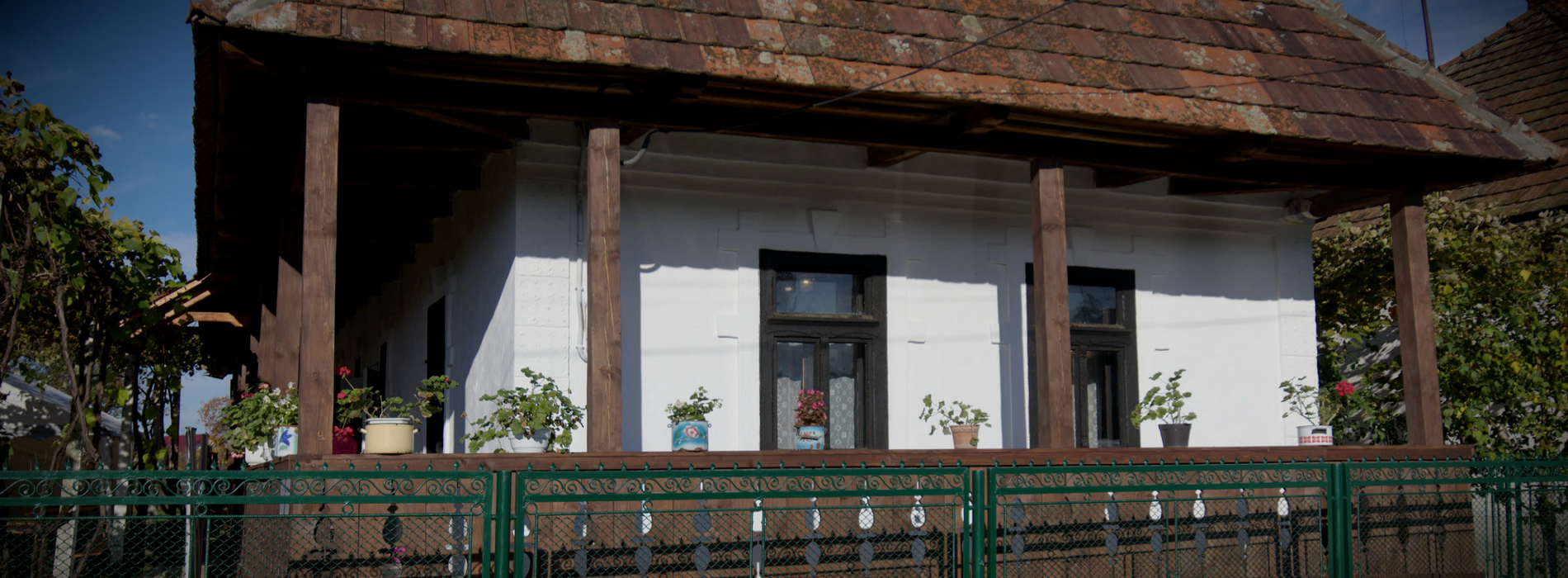
Сільський музей с. Шаланки
Берегівський р-н, Шаланки, вул Головна 30
Берегівський р-н, Шаланки, вул Головна 30
Шаланки – це один із населених пунктів Вилоцької теритріальної громади. Село розташоване на 16 км на північний захід від центру територіальної громади – с. Вилок, поруч з р. Боржава. Перша письмова згадка про нього датується 1332 роком. Село, яке на 2001 рік налічувало 3110 жителів, переважно населене угорцями.
На головній вулиці поселення підноситься вежа реформатської церкви (вул. Головна, 110.).
Церква, що спочатку була римо-католицькою, була побудована приблизно в 1390-1405 роках у готичному стилі. Протягом століть її кілька разів перебудовували. Напис на галереї церкви нагадує про те, що угорський князь Ференц Ракоці ІІ проводив останні загальні збори визвольної війни 1711 року саме у цьому селі.
Поруч з церквою активісти Товариства угорської культури Закарпаття створили меморіальний парк для вшанування героїв і жертв колишнього селища з багатим історичним минулим. Найстаріший пам'ятник – це пам'ятник жертвам сталінізму встановлений у 1989 році. Це – бронзова табличка, прикріплена до величезної скелі з іменами 59 мучеників. У 2000-х роках були тут розміщені пам'ятники Ференцу Ракоці ІІ, Святому Іштвану та Мікешу Келемену. Тут також знаходиться і пам'ятник у вигляді деревяного стовпа (т.з. «копяфа») художнику Міклошу Ошвату, який помер у с. Шаланки. У 2018 році встановлено пам'ятники у вигляді дерев'яного стовпа18 гонведам («захисникам вітчизни») с. Шаланки, полеглим на фронтах Першої світової війни та 12 гонведам, загиблим у таборах для військовополонених.
У 2006 році до меморіального ансамблю поселення додано статую Теодора Ромжі, єпископа-мученика Мукачівської греко-католицької єпархії (автор – Елек Полін, різьбяр по дереву з с. Шаланки).
У 2019 році поруч із Домом культури було встановлено бронзовий рельєф на згадку про загальні збори, що проводили у с. Шаланки, на якому зображений угорський князь Ференц Ракоці ІІ, що виступає перед своїми послідовниками.
Гуляючи по головній вулиці, дійдемо до греко-католицької церкви (вул. Головна, 40), яка була освячена в 1878 році на свято Архангелів Михаїла і Габора та всіх небесних сил (8 листопада).
30 вересня 2023 року, у 180-ту річницю від його дня народження, на подвір'ї греко-католицького храму було урочисто відкрито меморіал на честь члена Ордену Єнев Сабов, колишнього радника Міністерства громадських робіт і транспорту. Єнев Сабов народився у с. Фанчиково, повіту Угоча в родині місцевого греко-католицького священика, але з однорічного віку жив і ріс у с. Шаланки. Будучи радником міністра, вирішальним аспектом його залізничної політики були – розвиток шляхів у регіонах, населених греко-католиками, і будівництво закарпатської вузькоколійки. Пам'ятник створила скульптор Вікторія Чірпак.
Колишню, криту ґонтом римо-католицьку каплицю в поселенні, за радянських часів було знесено, а на її місці встановлено ажурне різьблене дерев'яне розп'яття (автор Елек Полін).
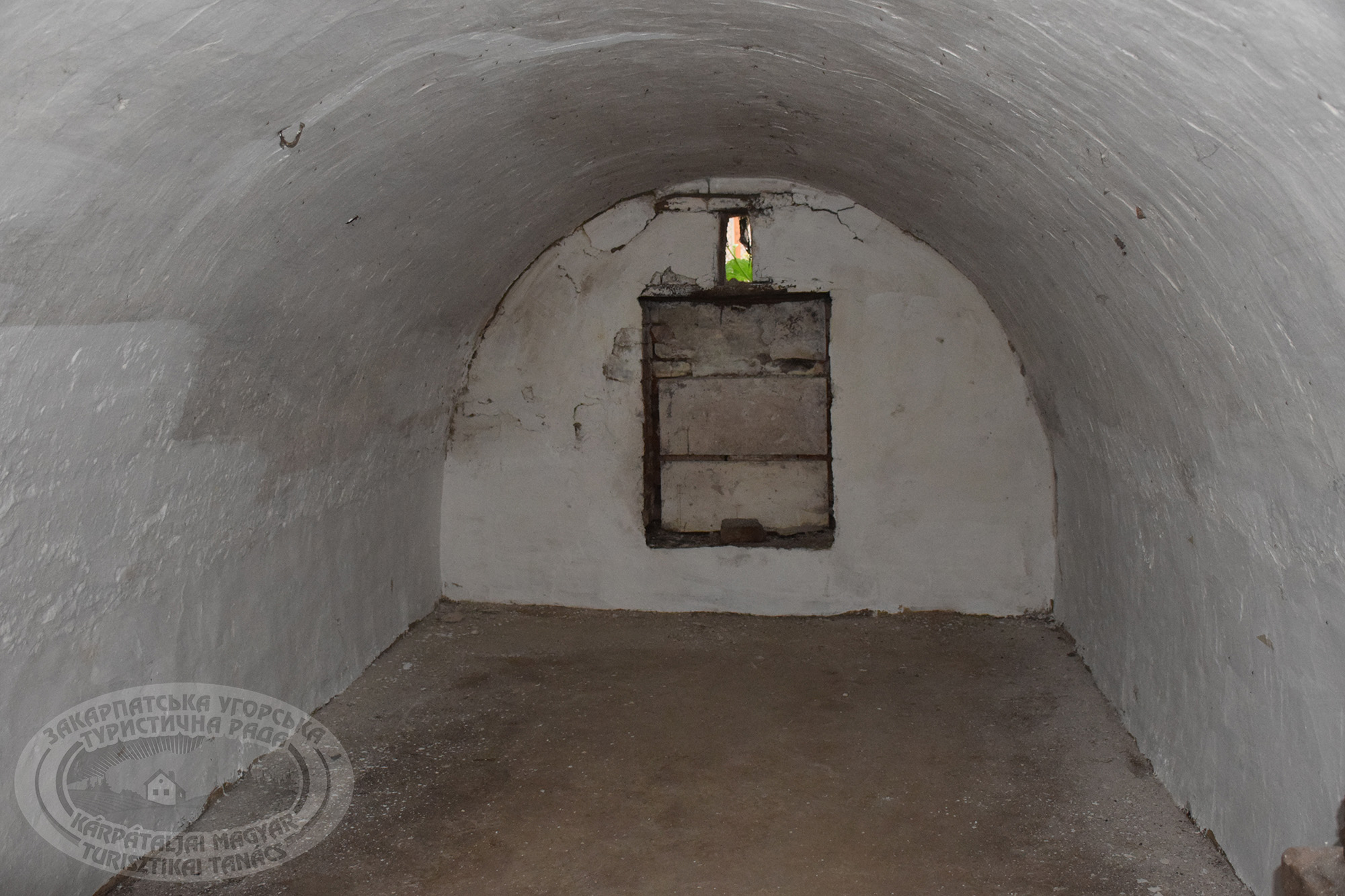
На межі поселення височіє гора Гемливц, яку представляє собою трикутний пагорб висотою 372 метри. Колись тут стояв палац сім'ї Баркоці, у якому 11-18 лютого 1711 року великий князь проводив нараду, і таким чином палац с. Шаланки став ареною останнього «парламенту куруців». У серпні 1717 року татарські війська, що вдерлися і сюди, підпалили палац, від якого залишився лише гарний кам'яний винний погреб. Цей погреб і досі можна знайти на схилі гори.
В напрямку с. Чорний Потік біля кар'єру с. Шаланки знаходиться колодязь Мікеша, з якого, за традицією, колись пив і сам угорський князь Ракоці.
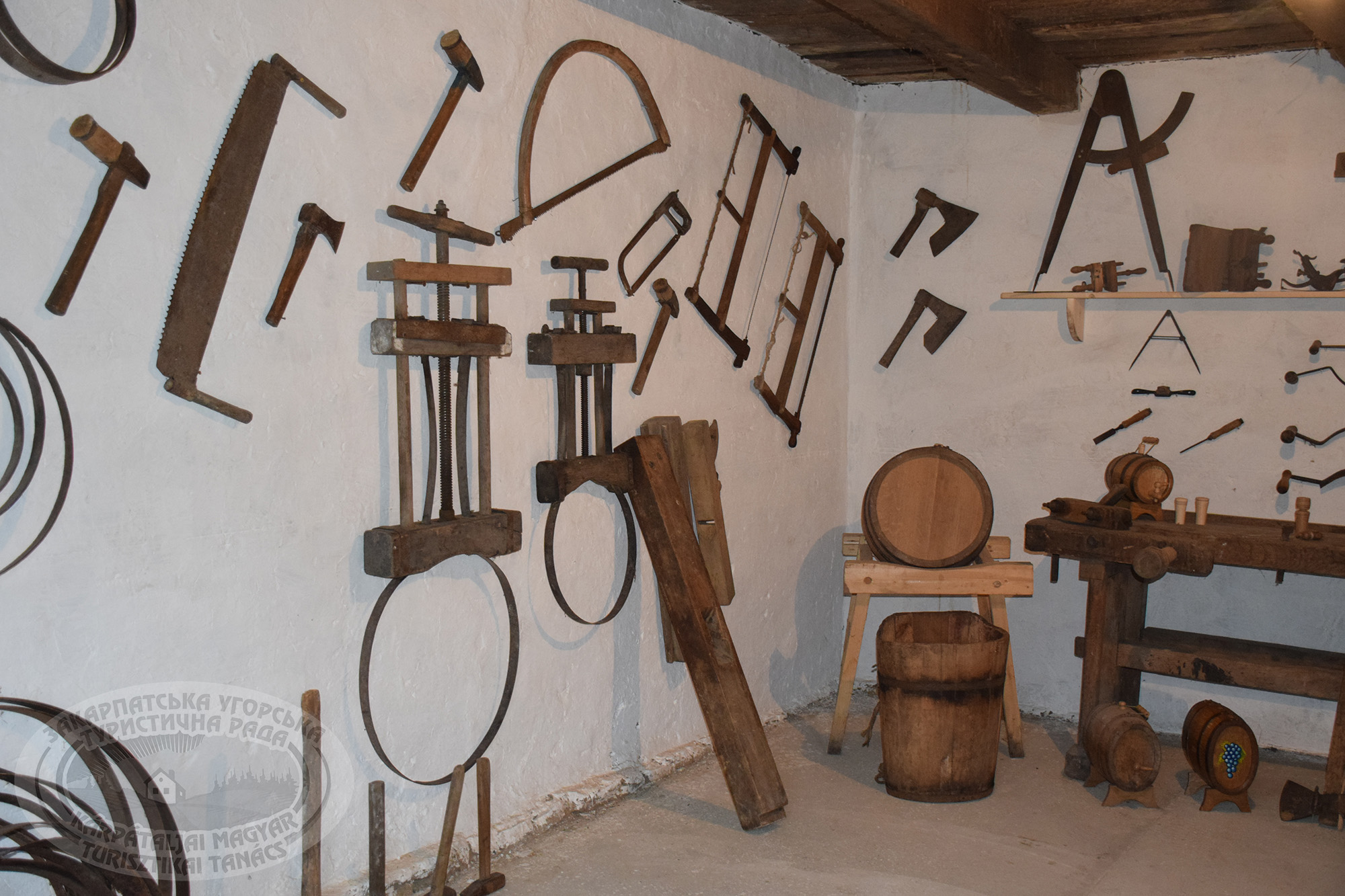
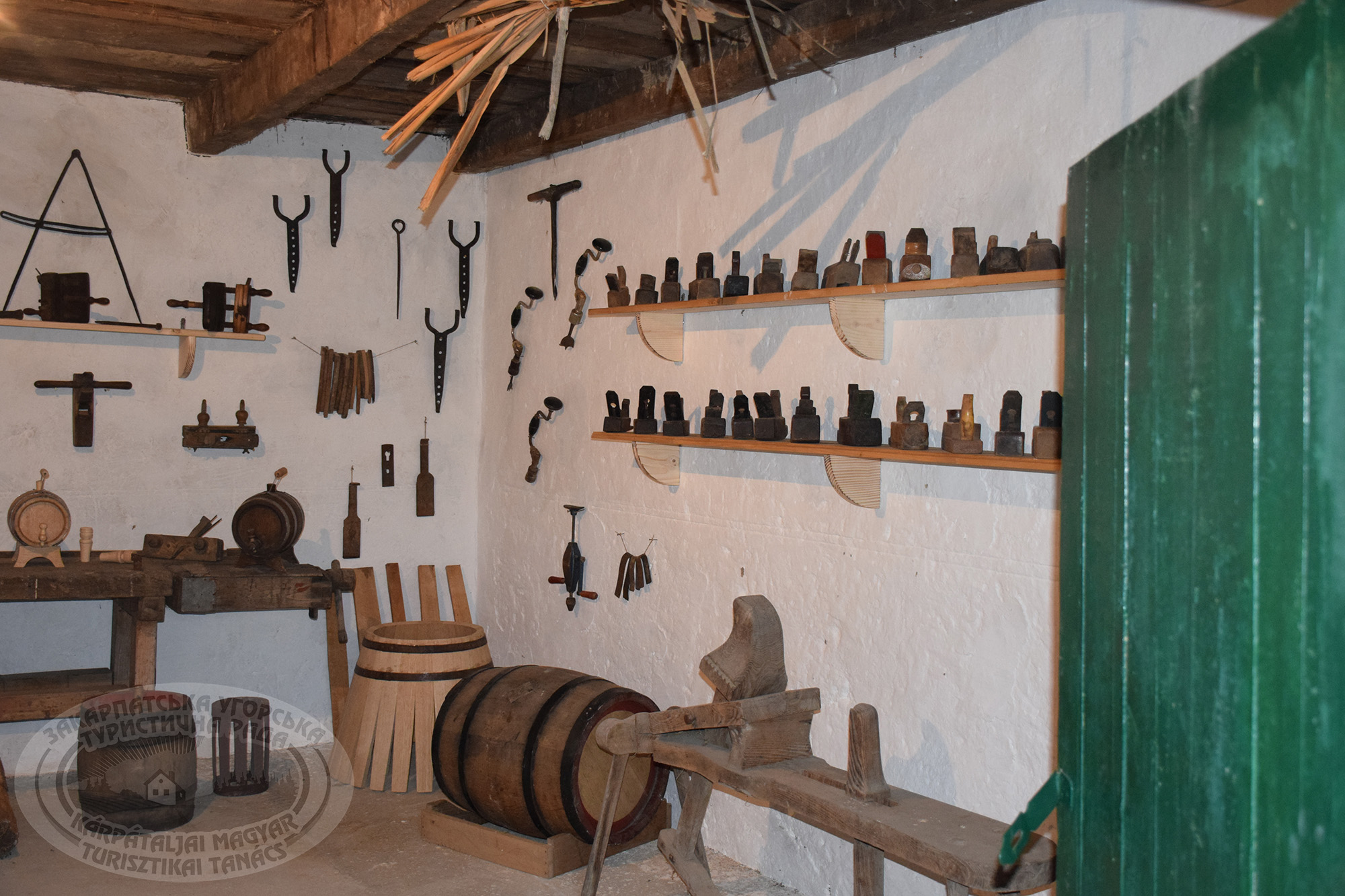
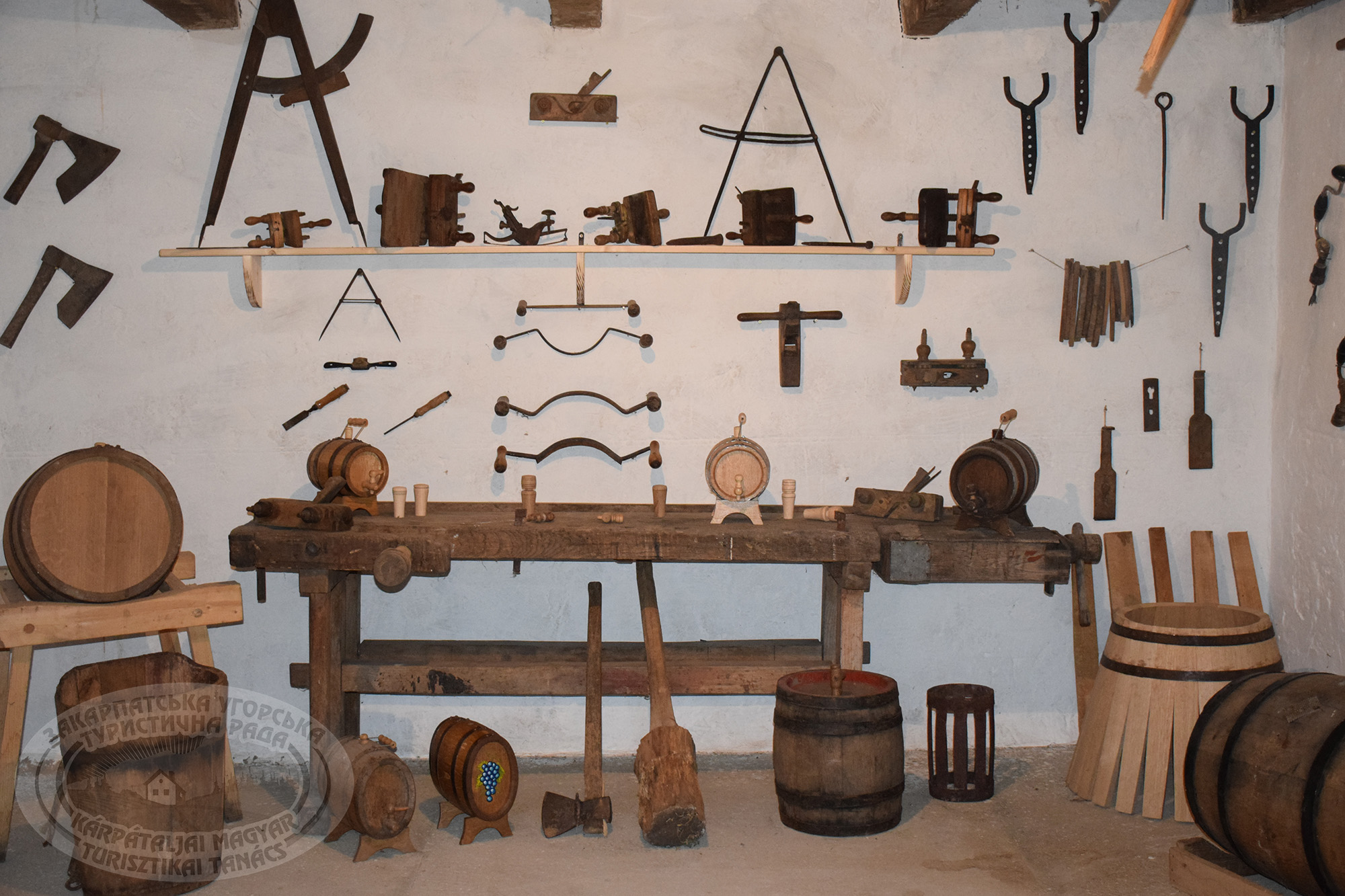
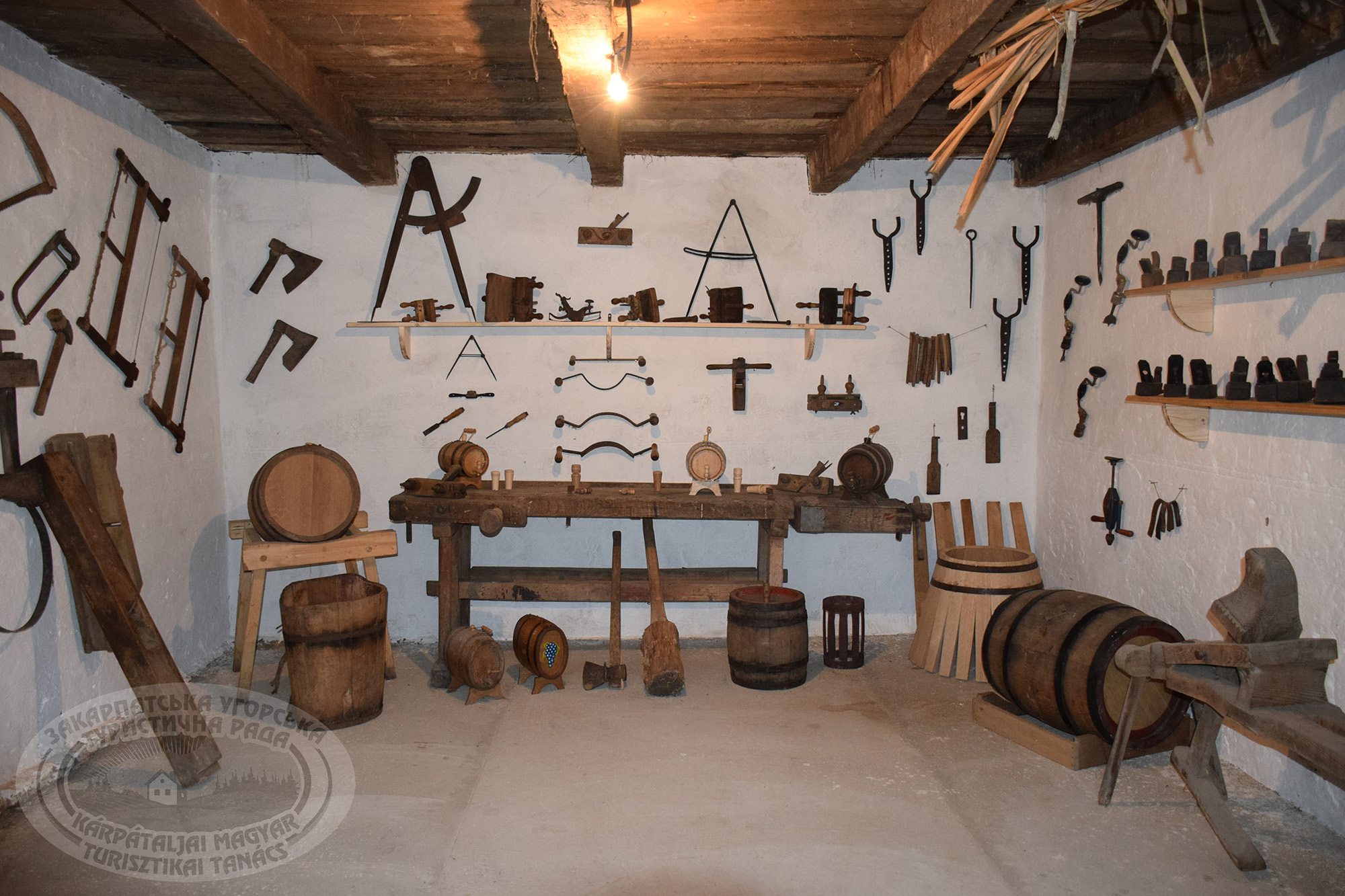
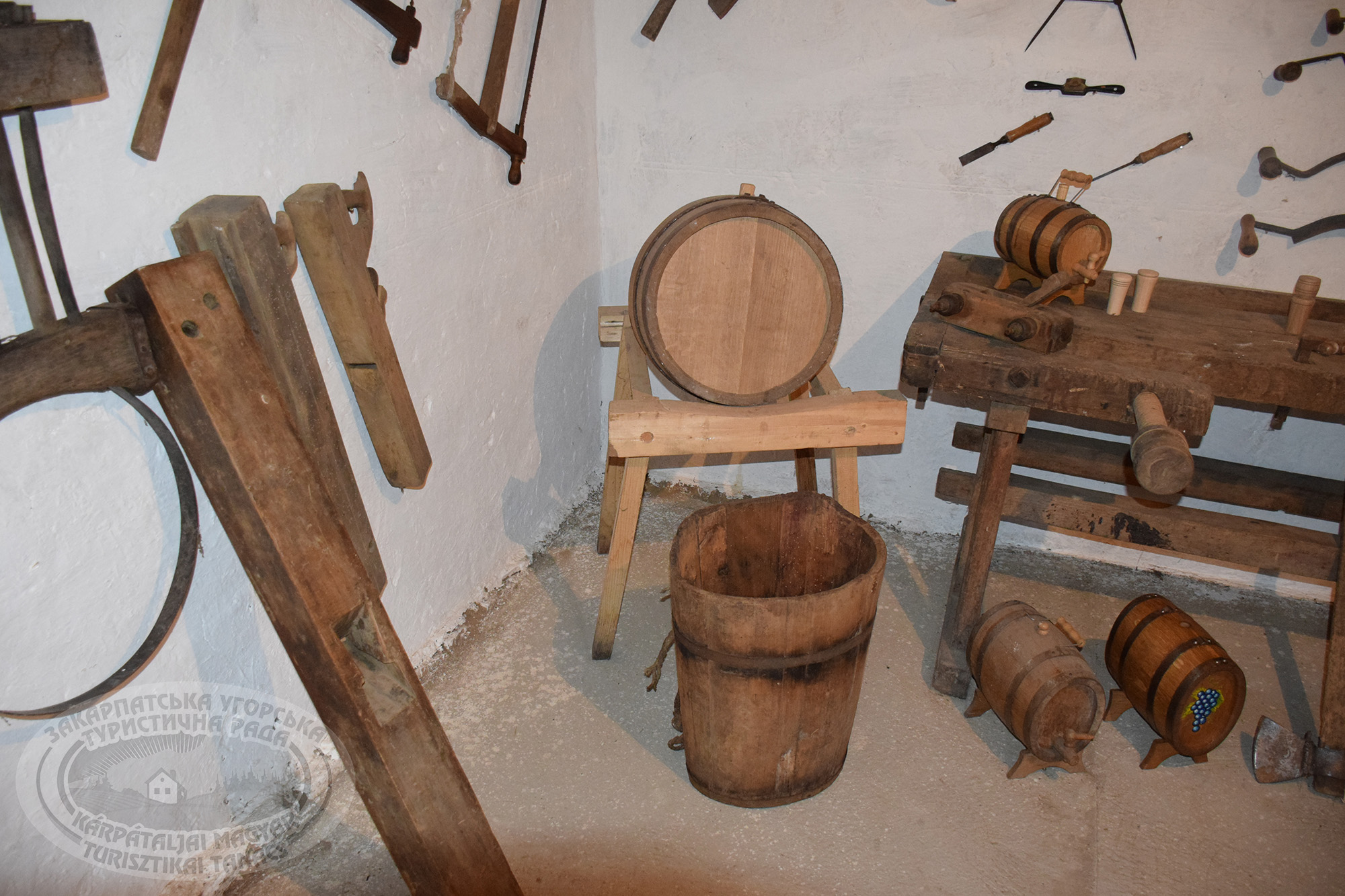
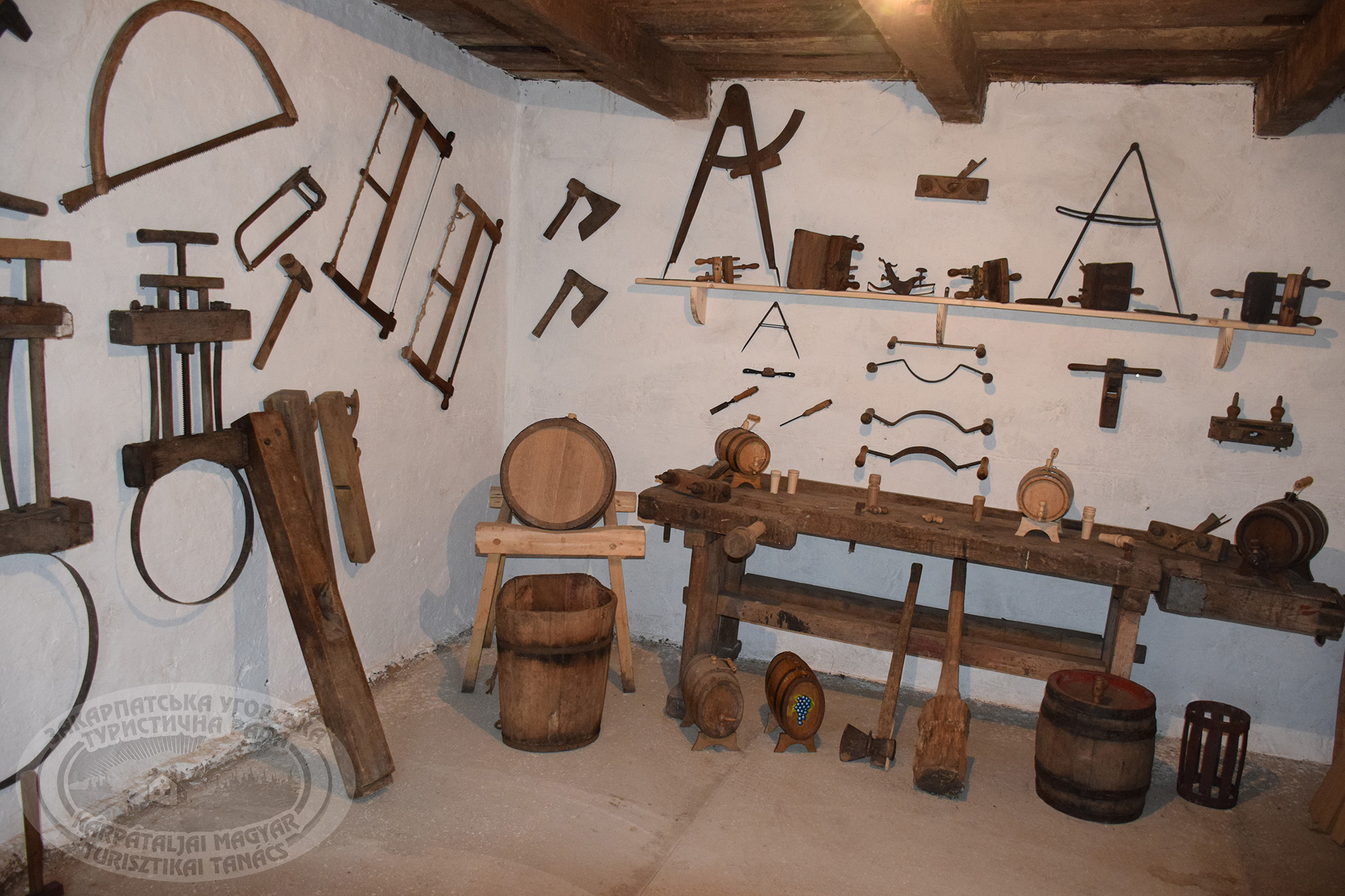
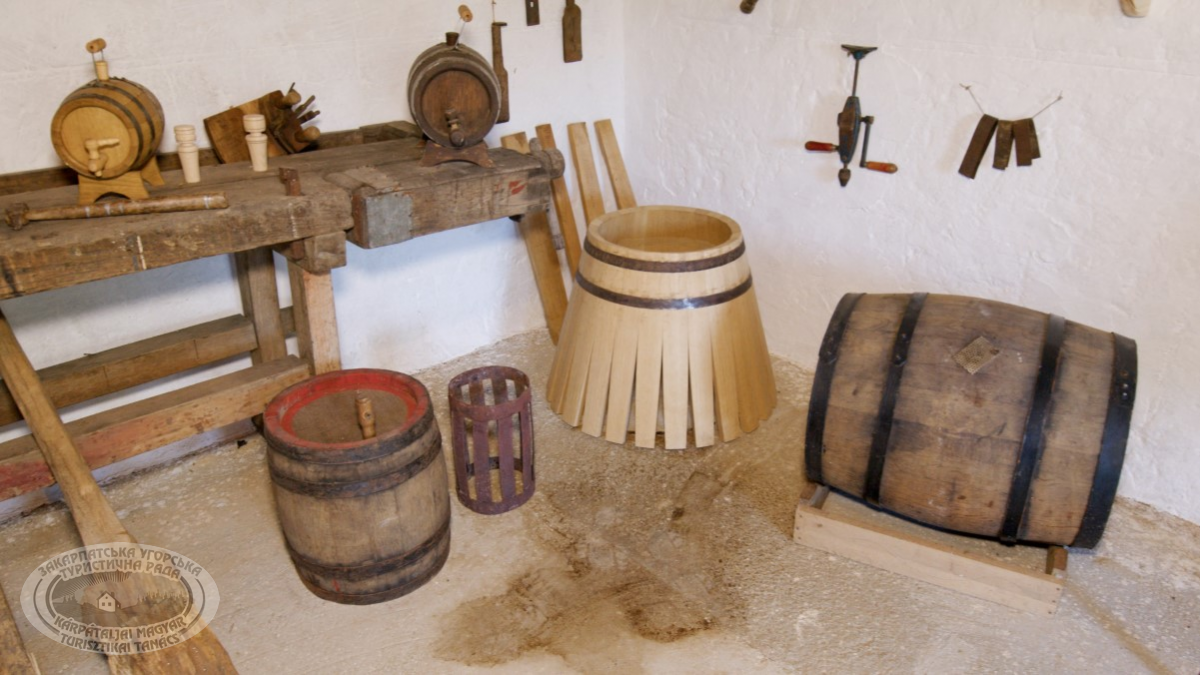
У с. Шаланки є кілька майстерень з виготовлення бочок. Відвідуючи поселення, варто відвідати один з таких майстерень, адже дубові бочки с. Шаланки славляться на весь світ. Серед них – двокамерні бочки-приманки, кран яких можна повертати праворуч або ліворуч, щоб отримати різні напої (вино чи палинку, біле або червоне вино) одночасно з однієї бочки. Сировина для бочок походить із Великого лісу в с. Шаланки.
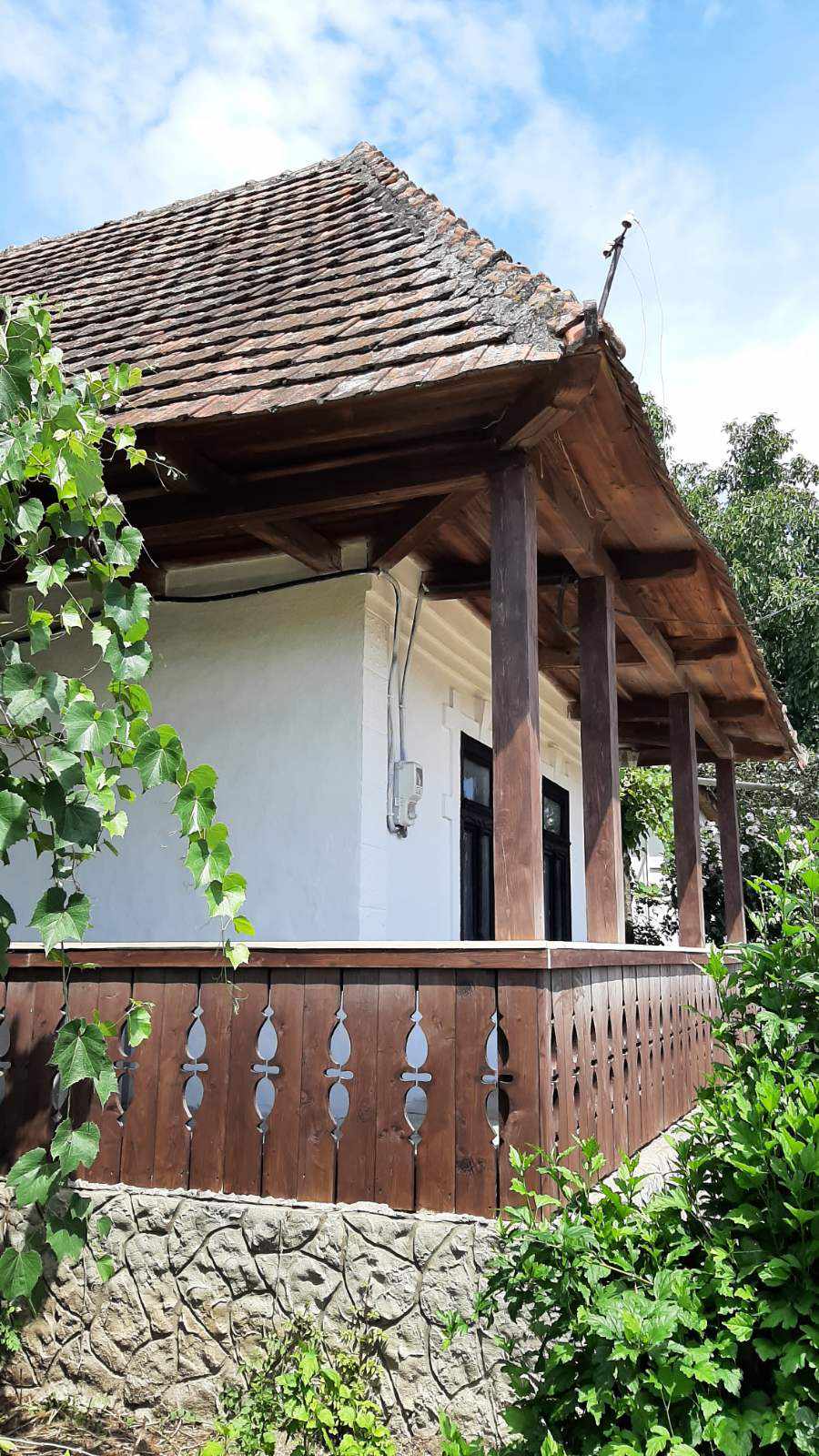
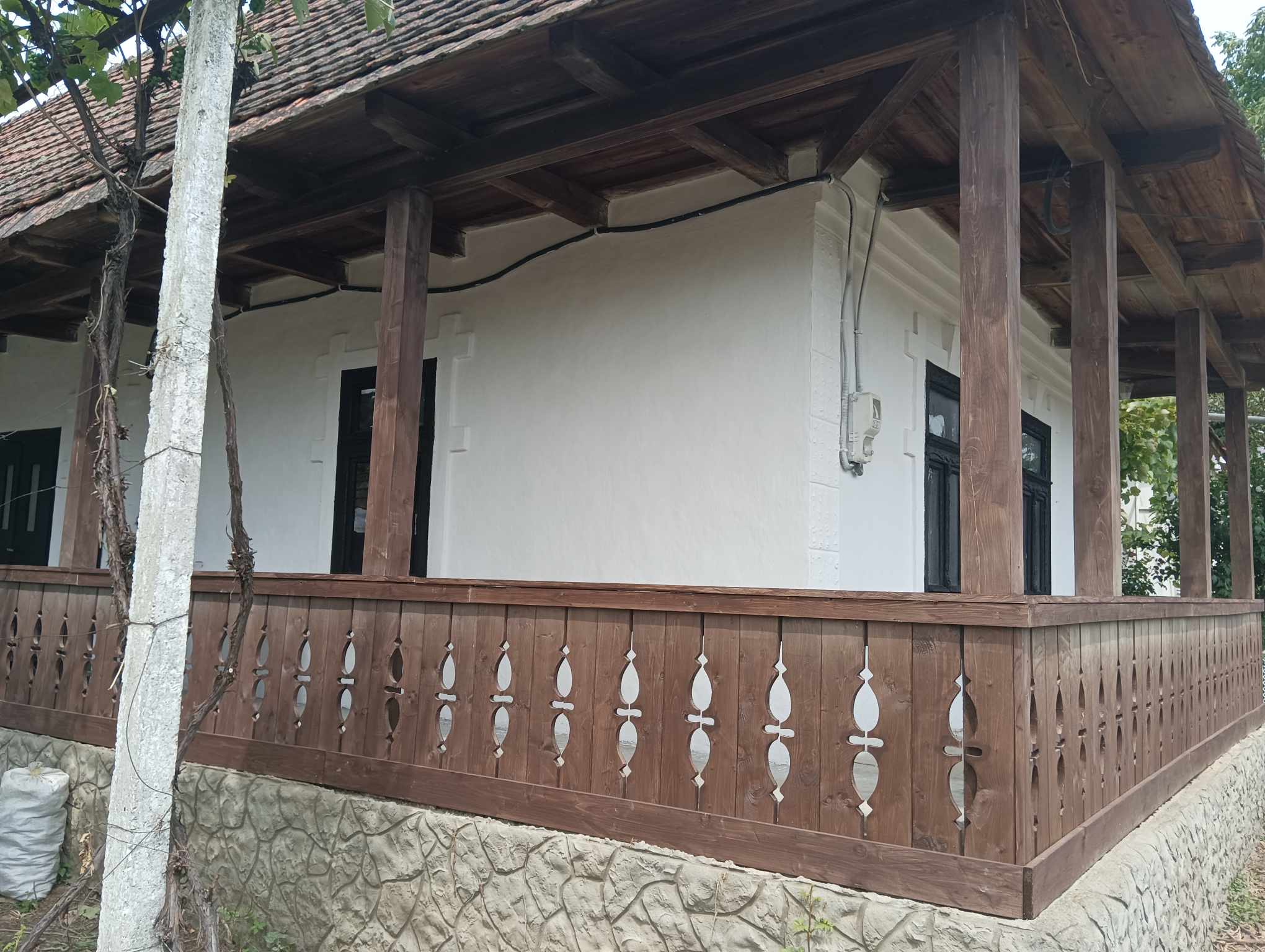
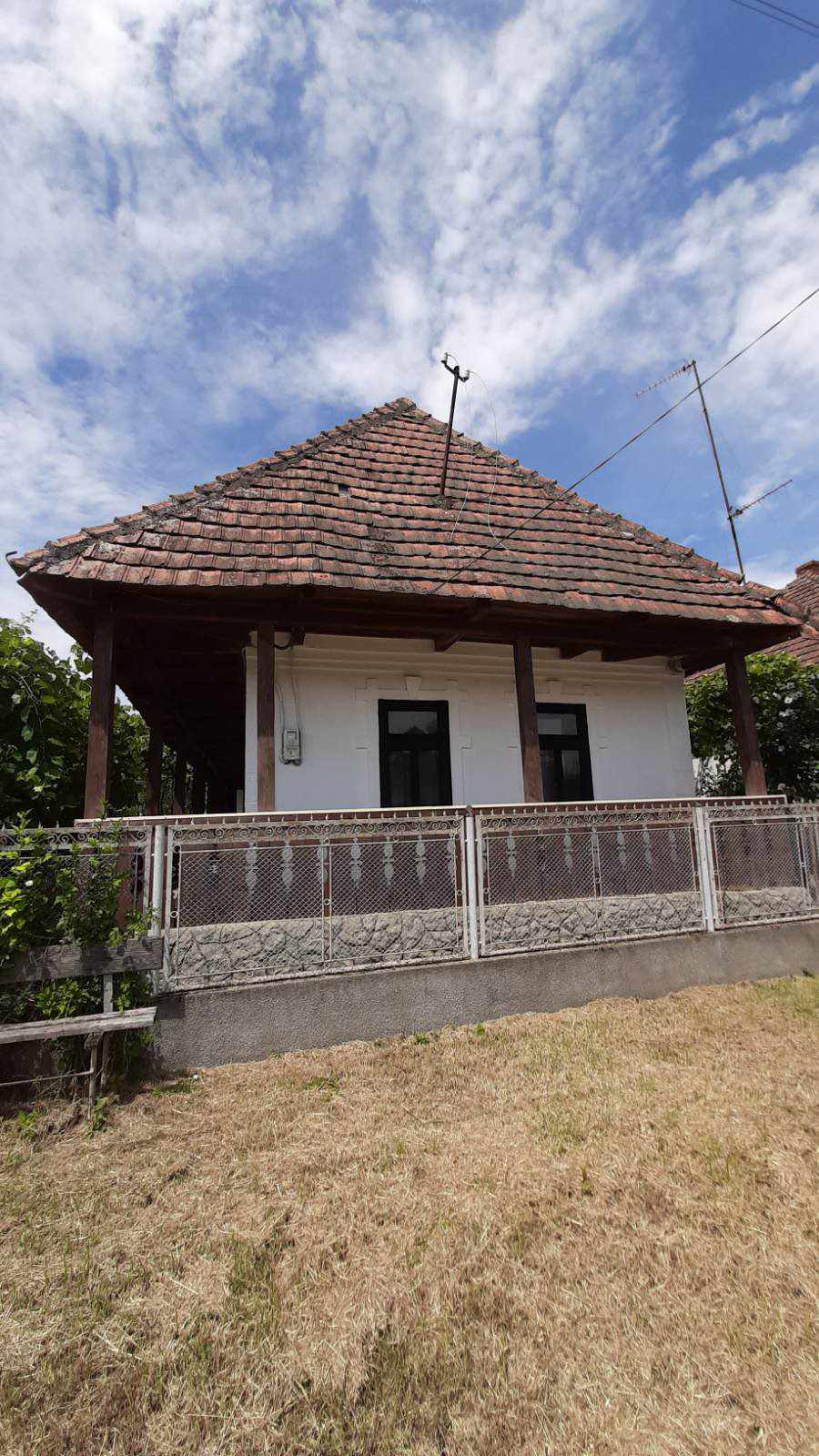
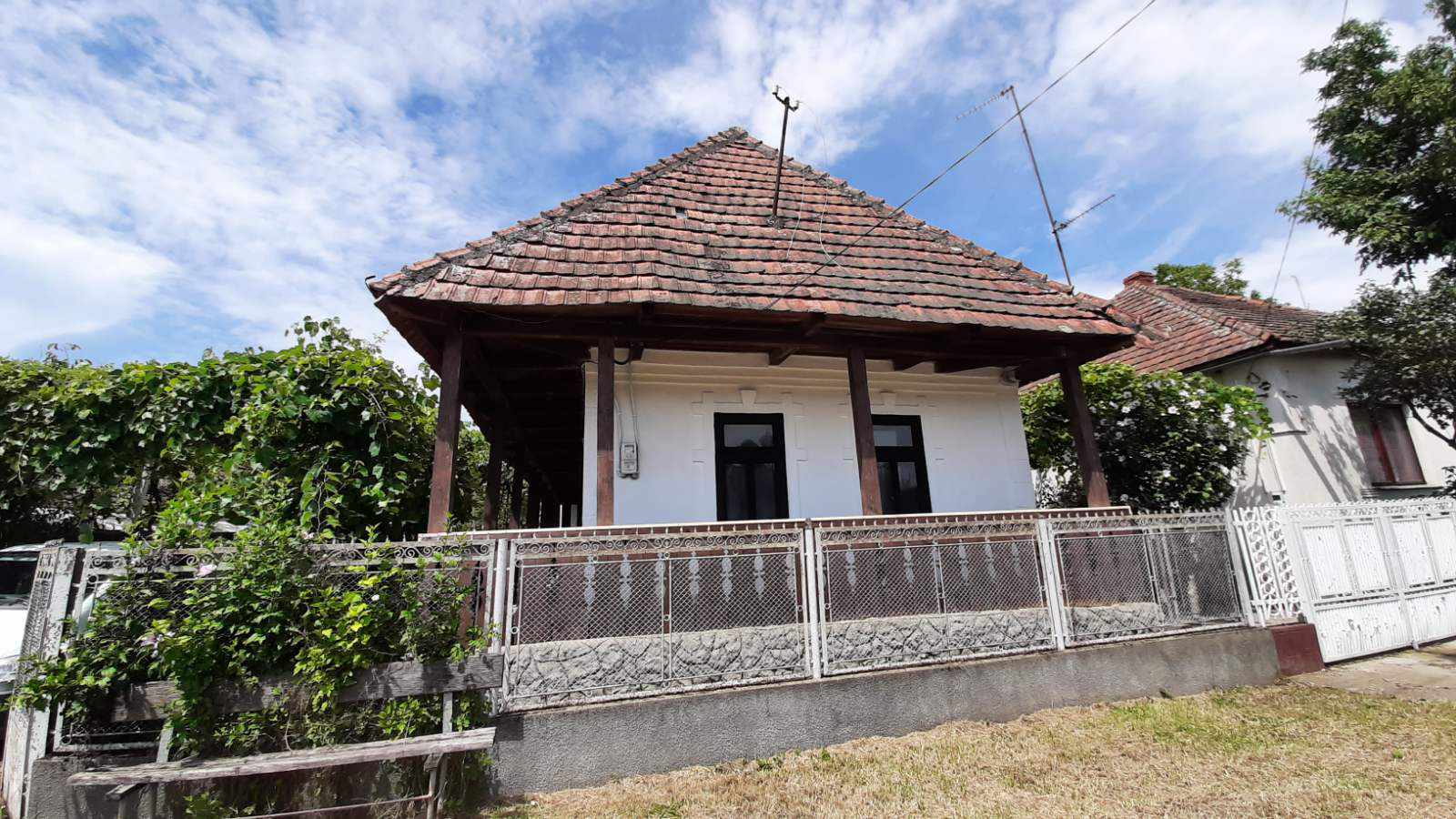
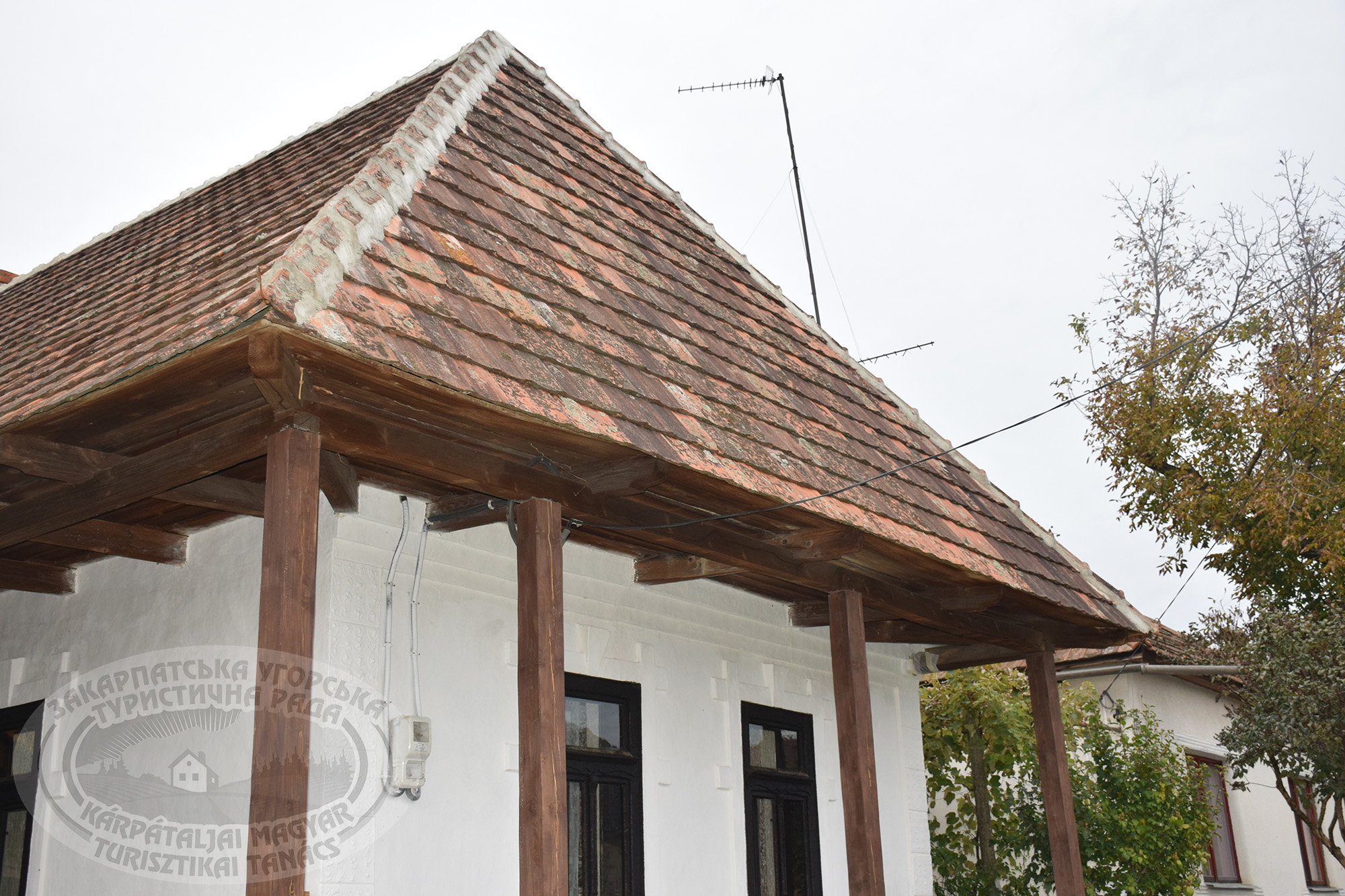
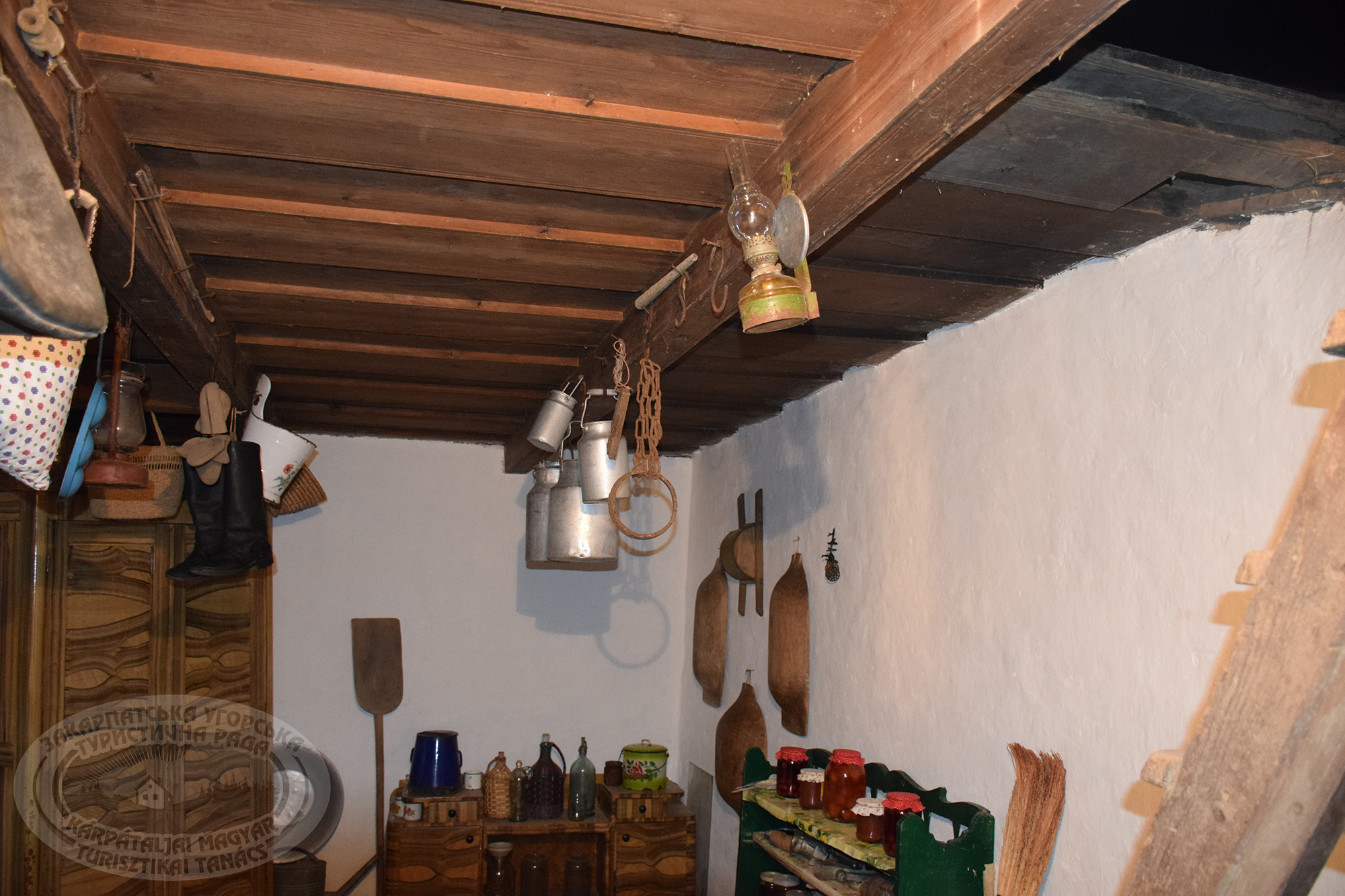
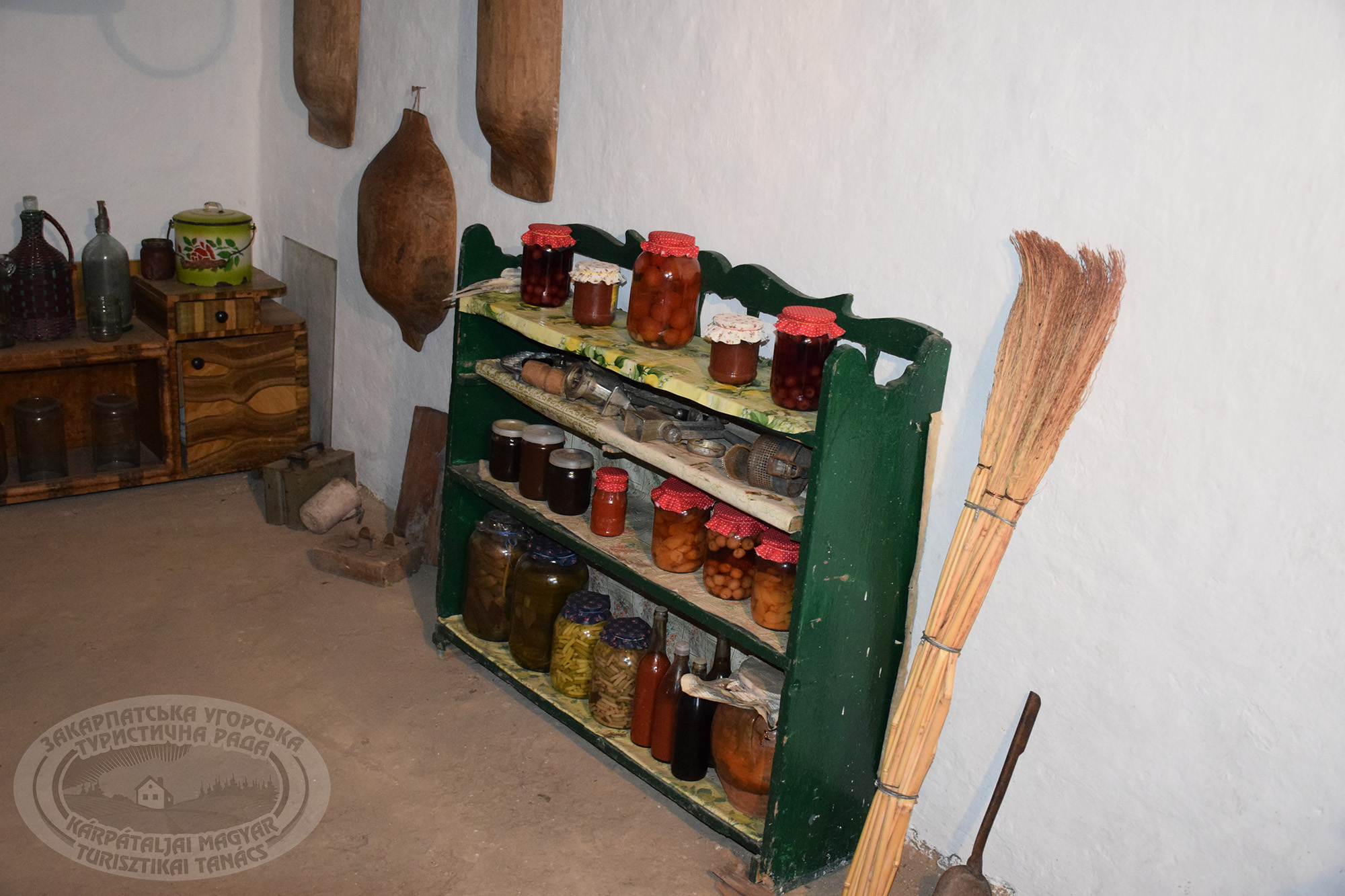
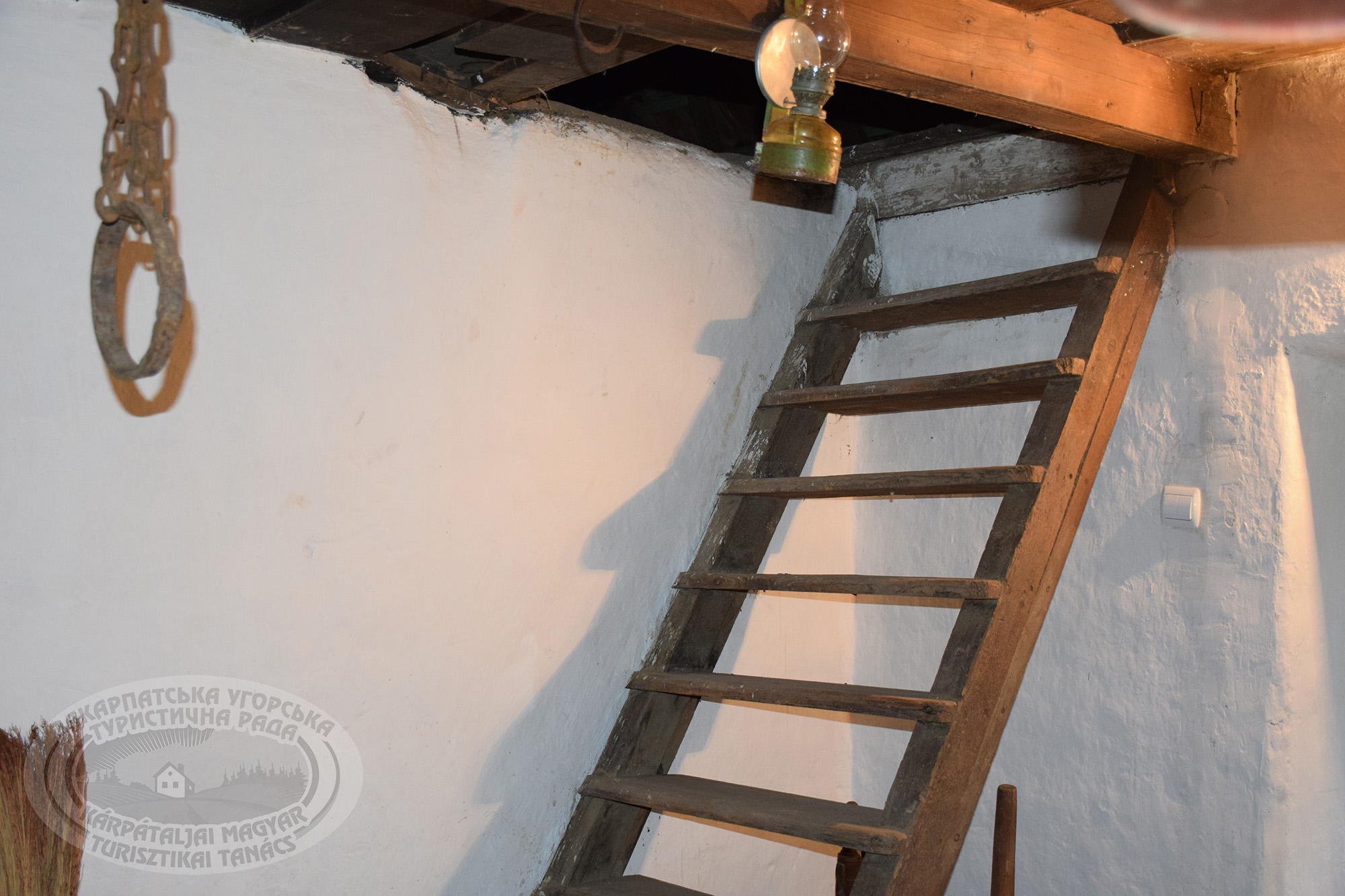
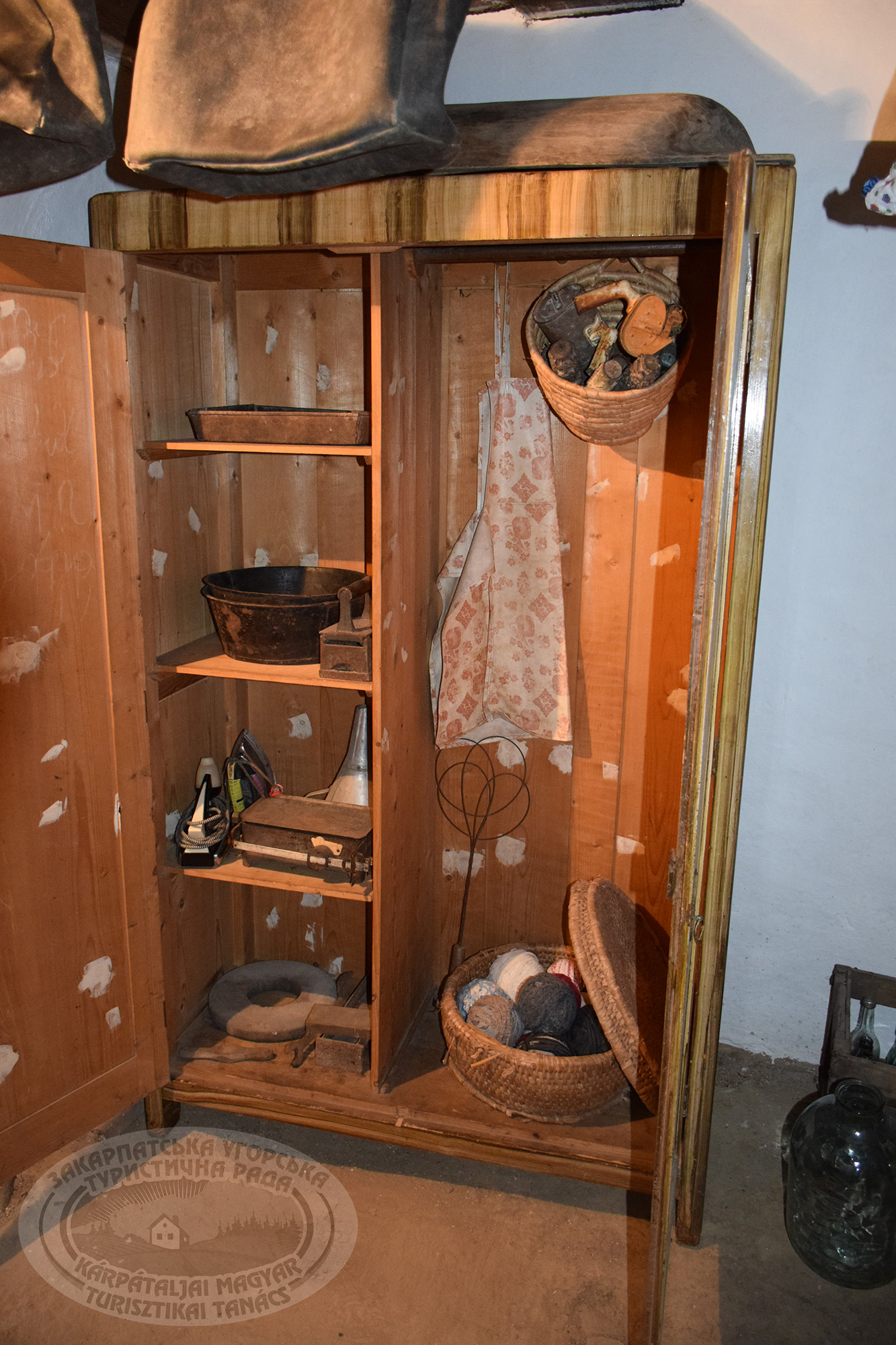
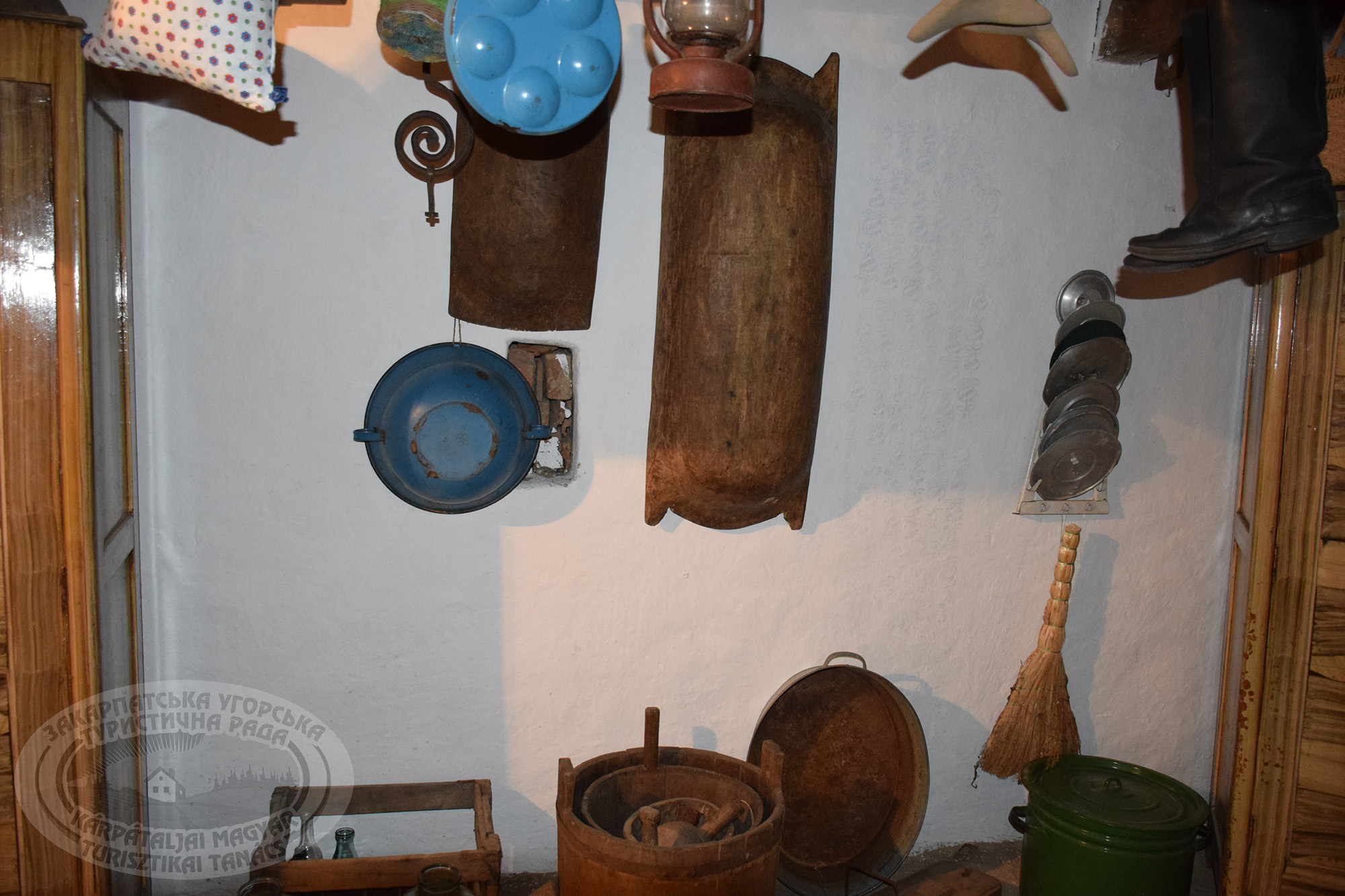
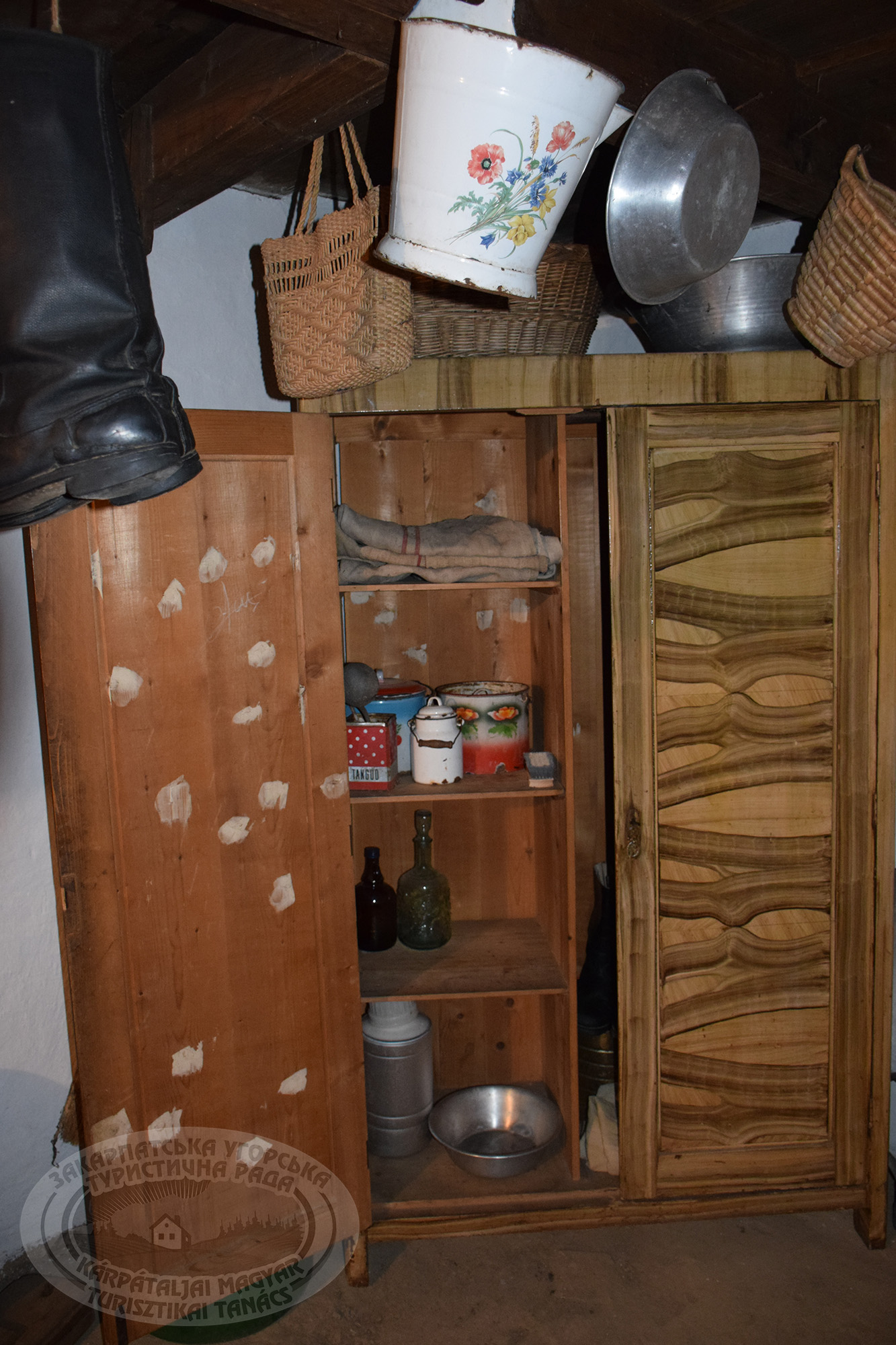
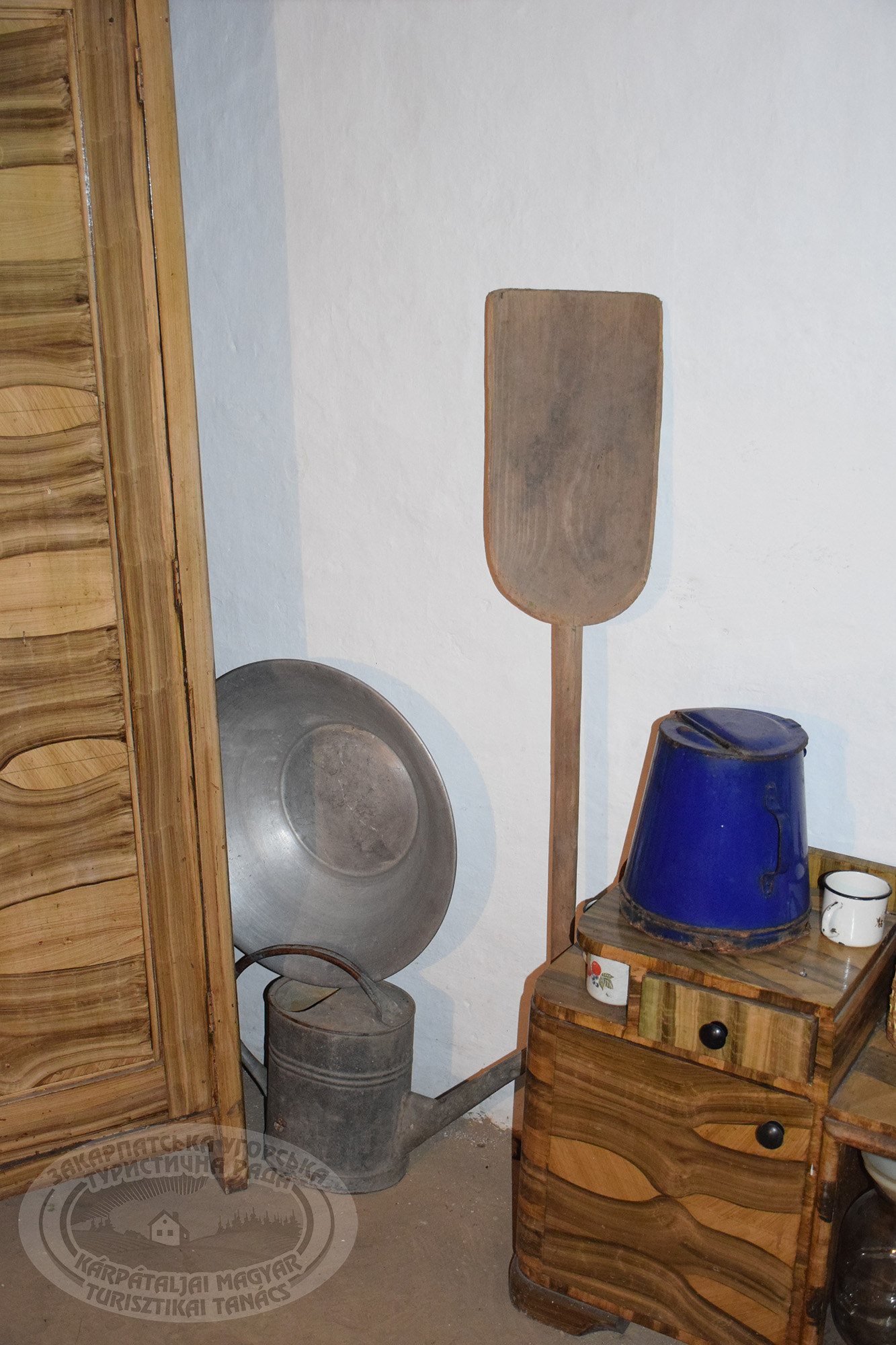
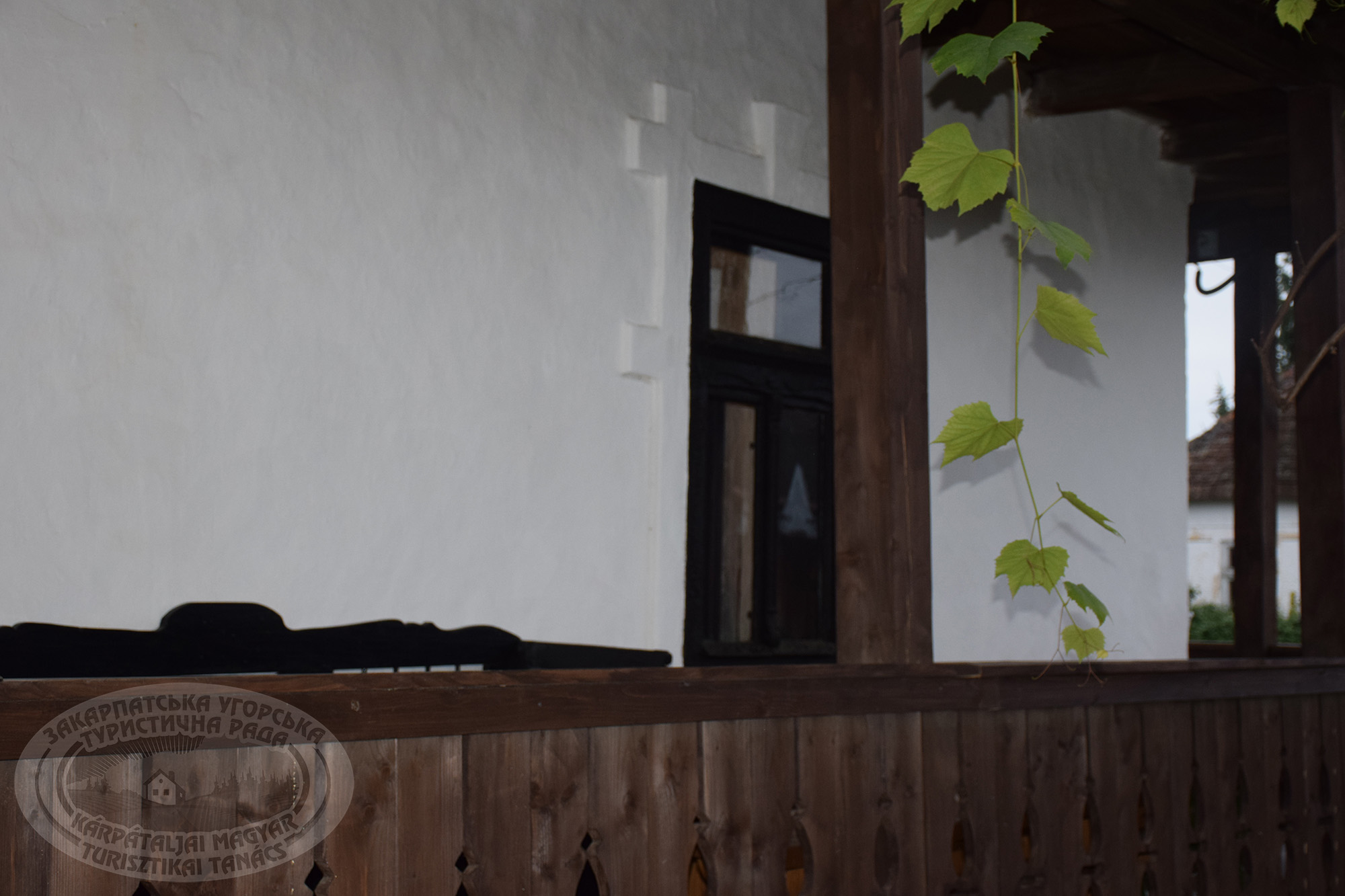
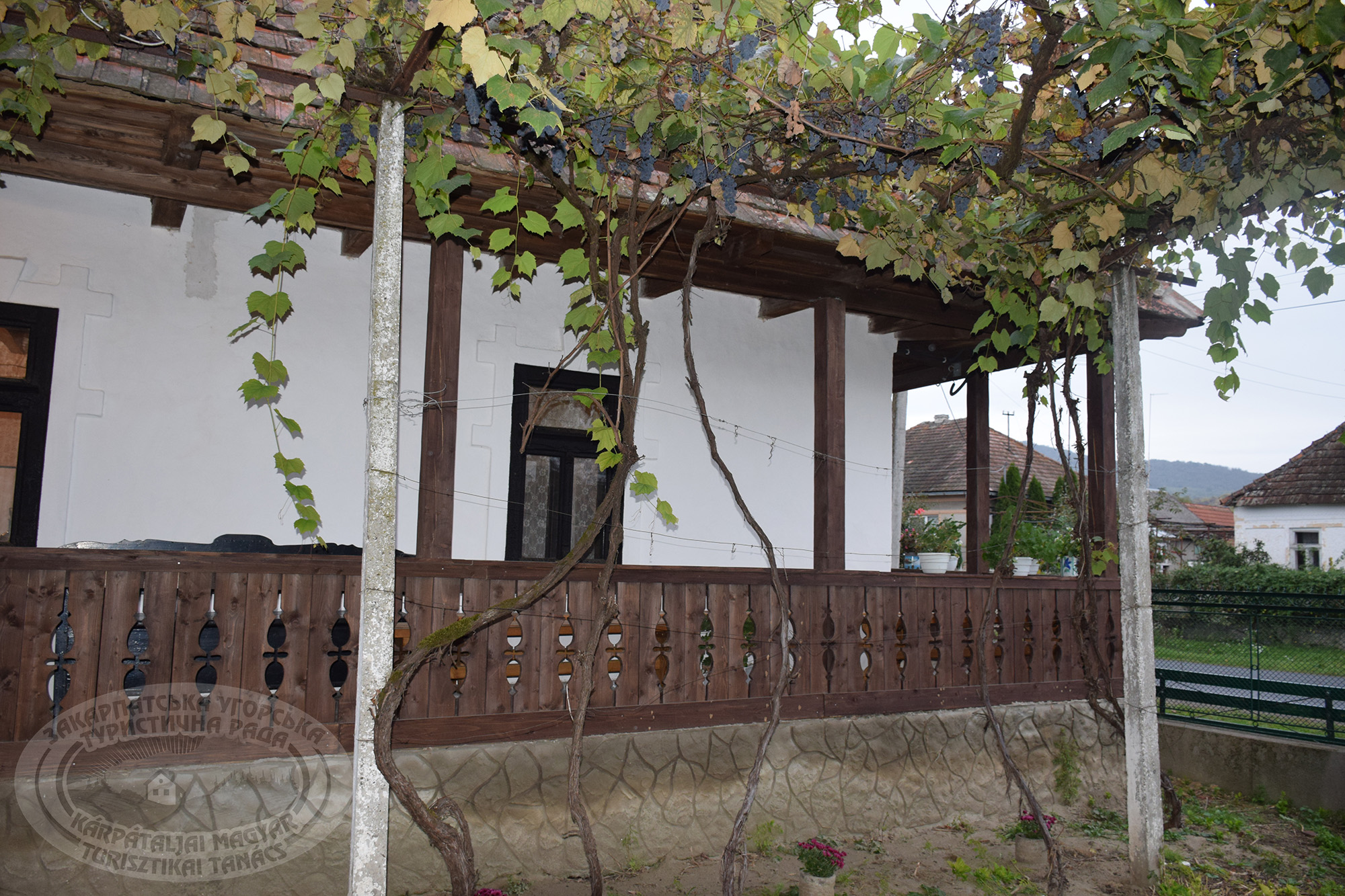
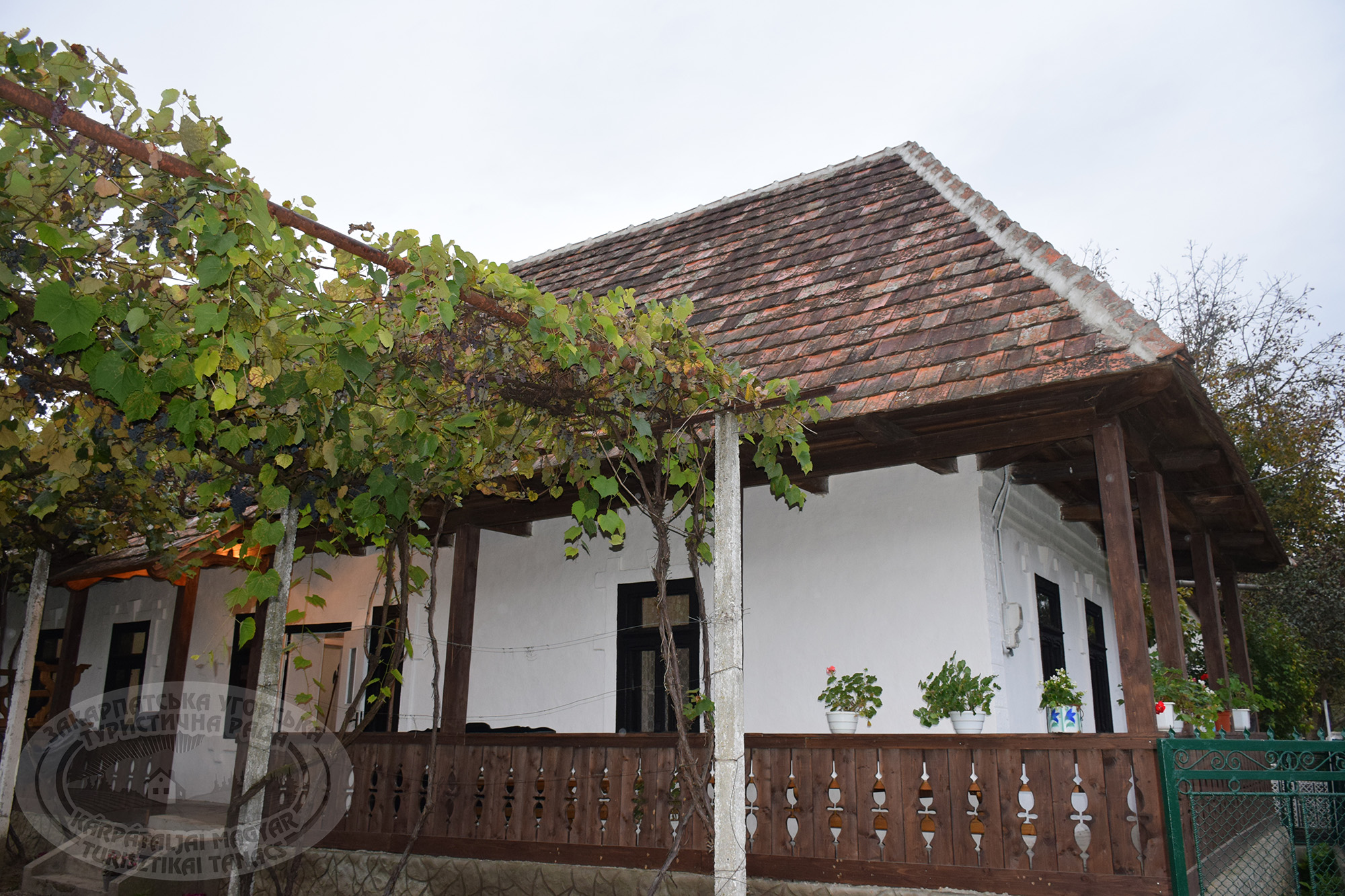
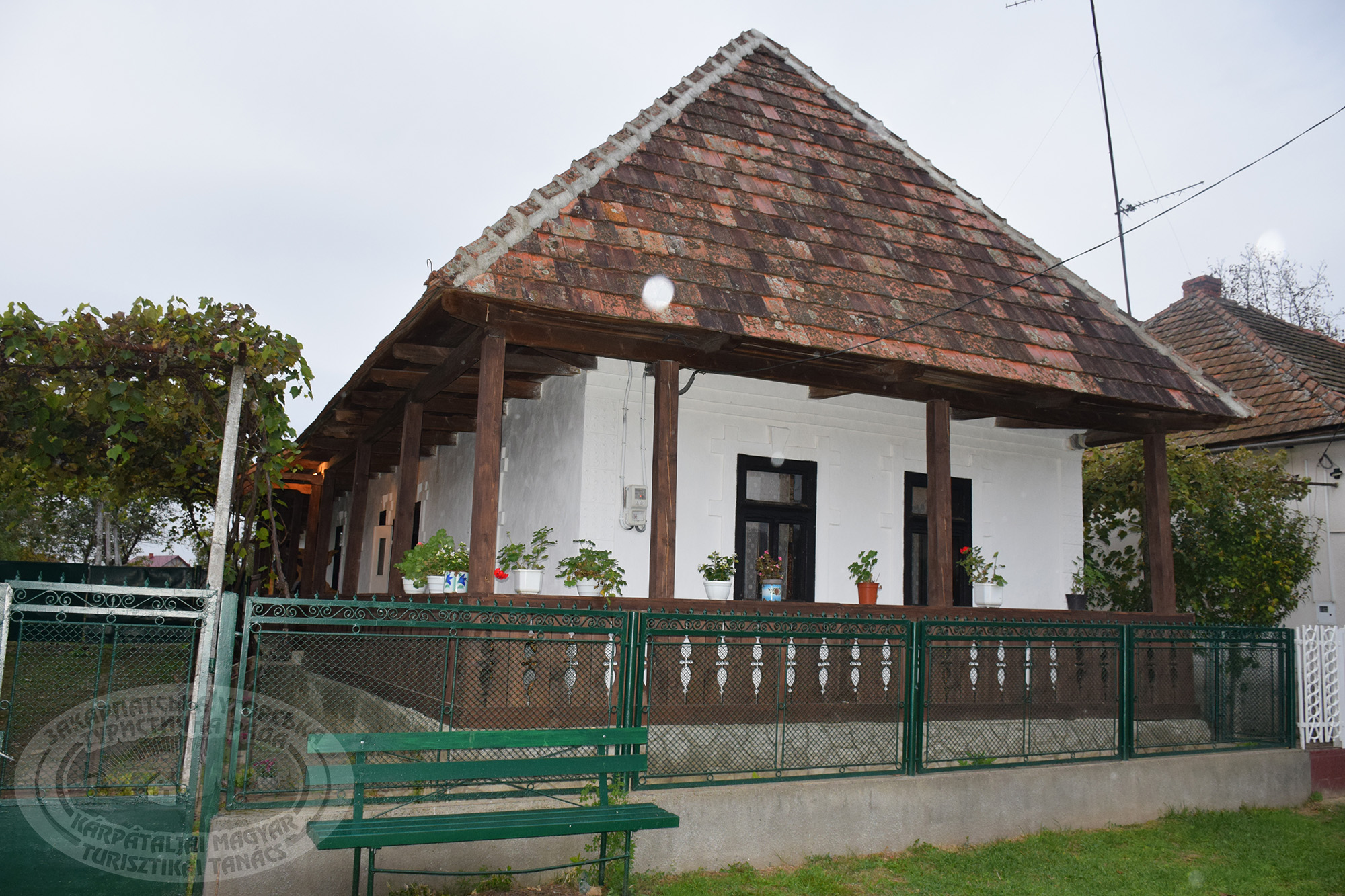
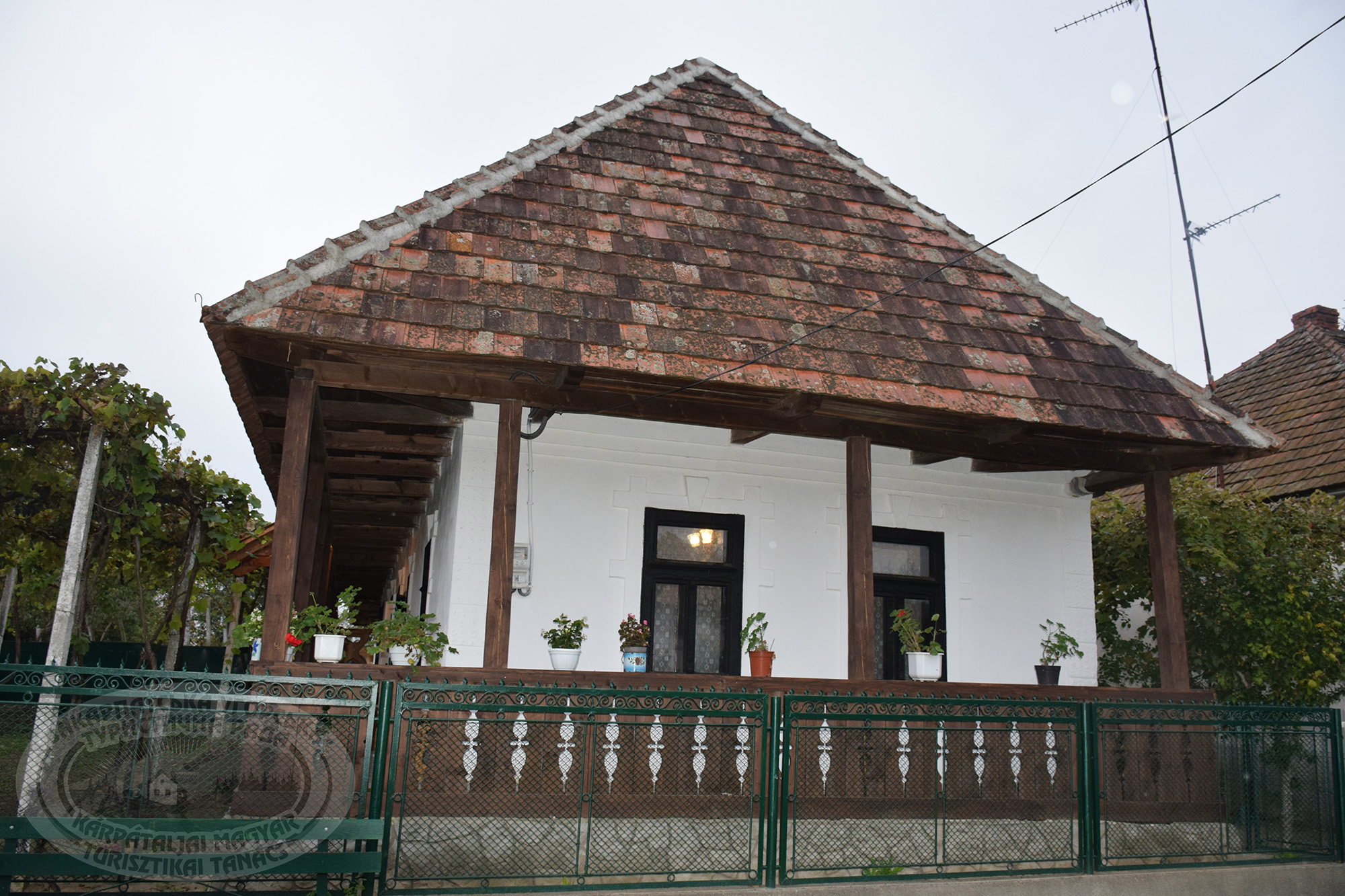
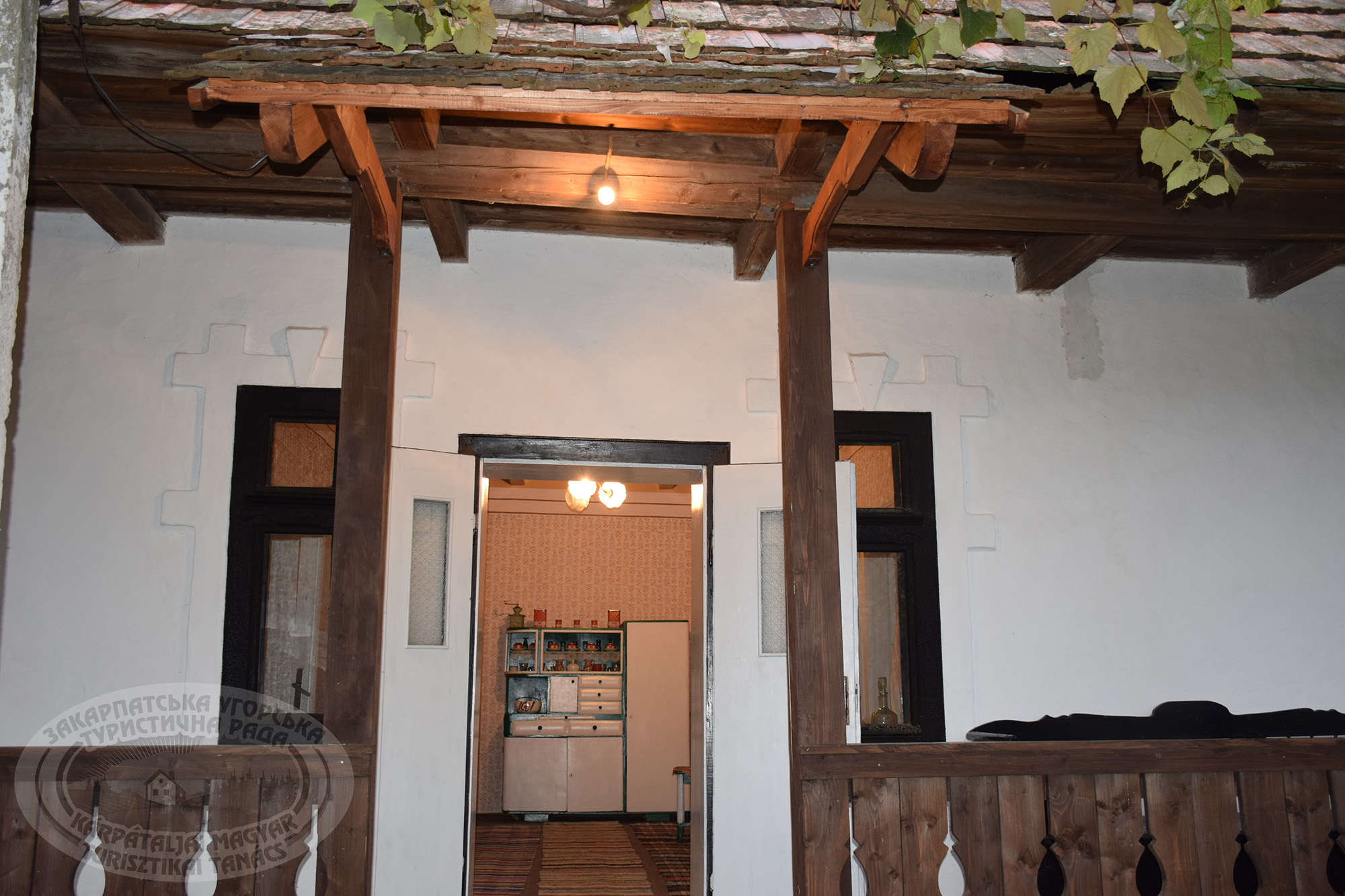
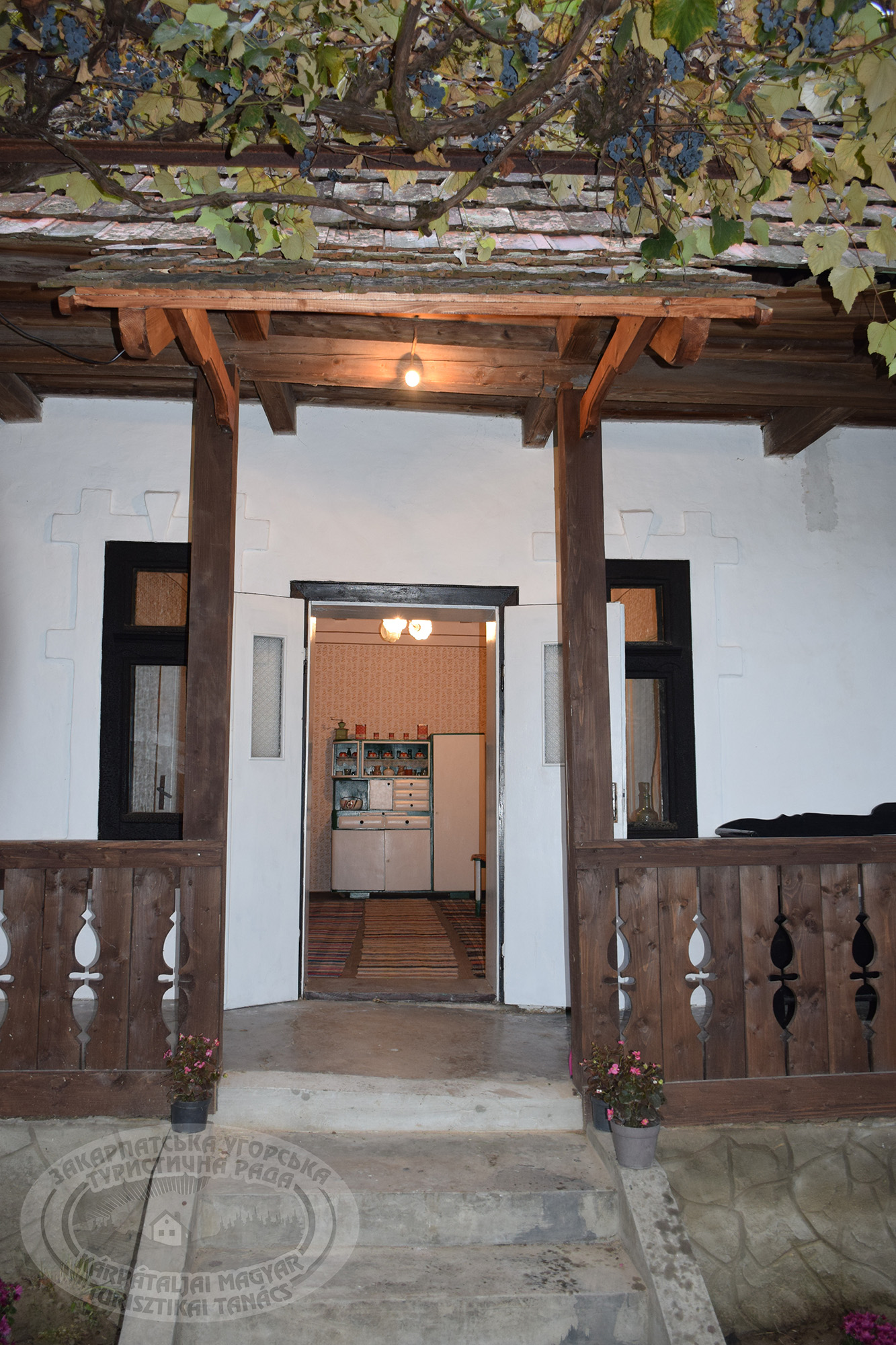
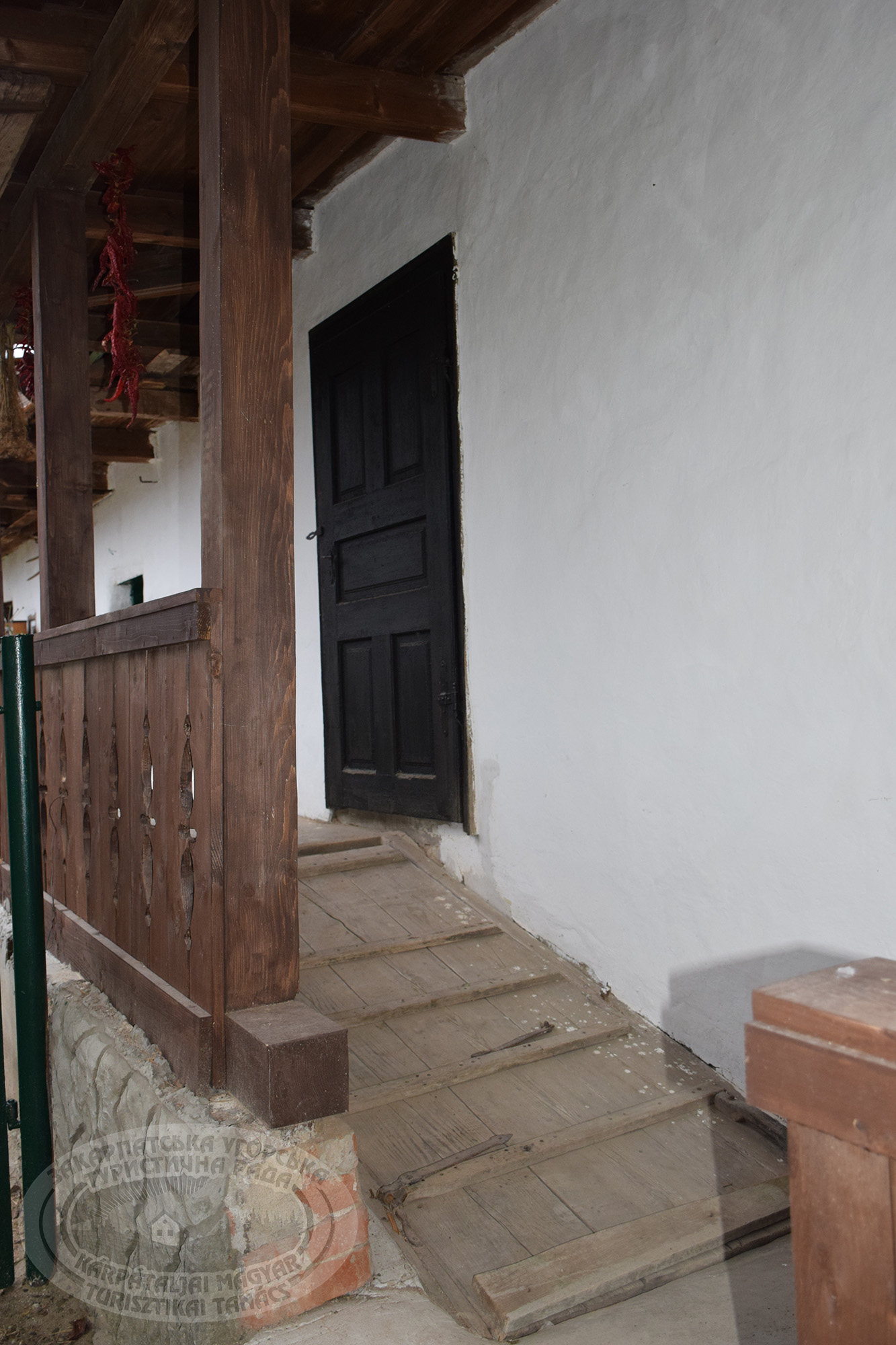
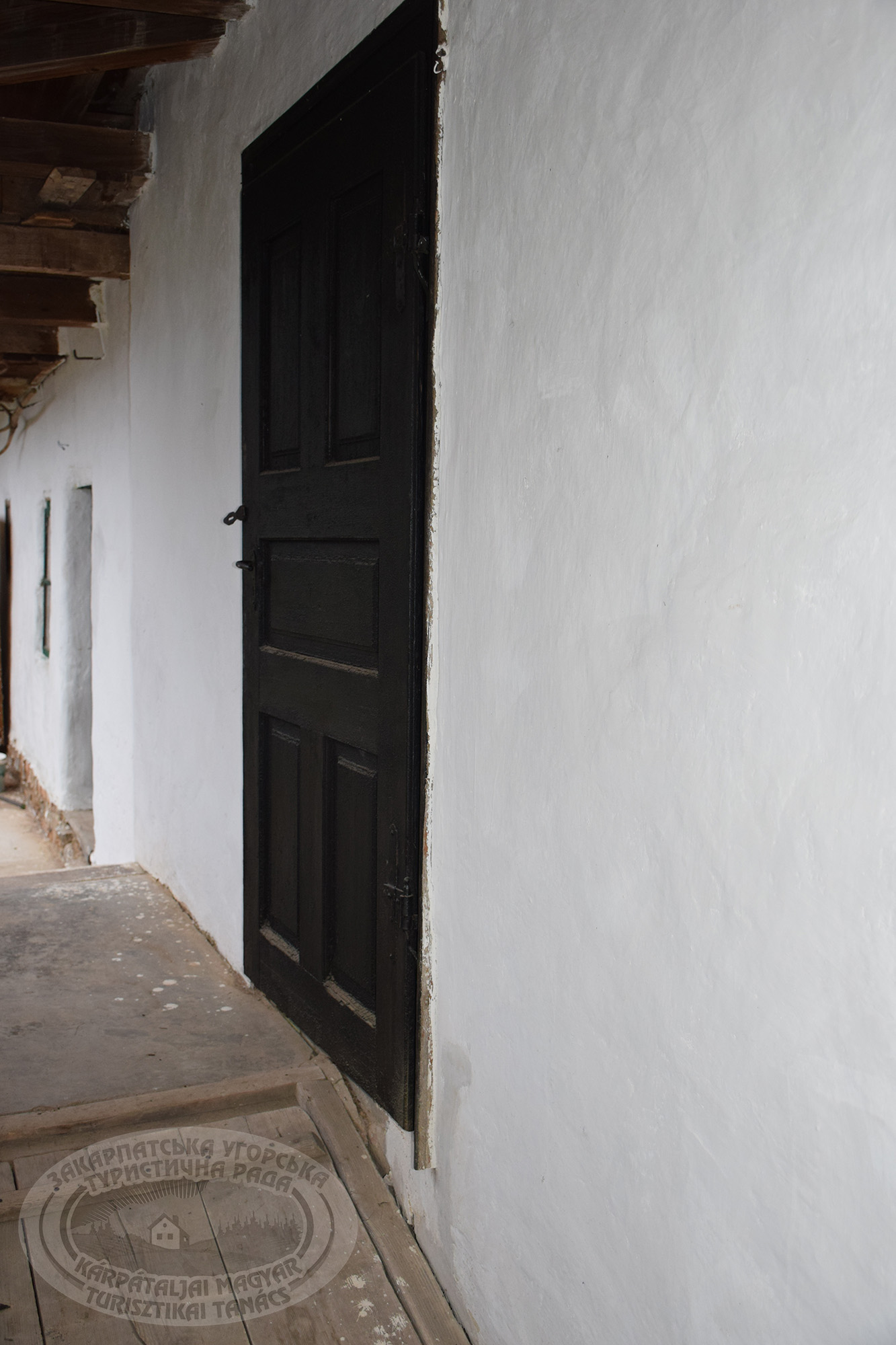
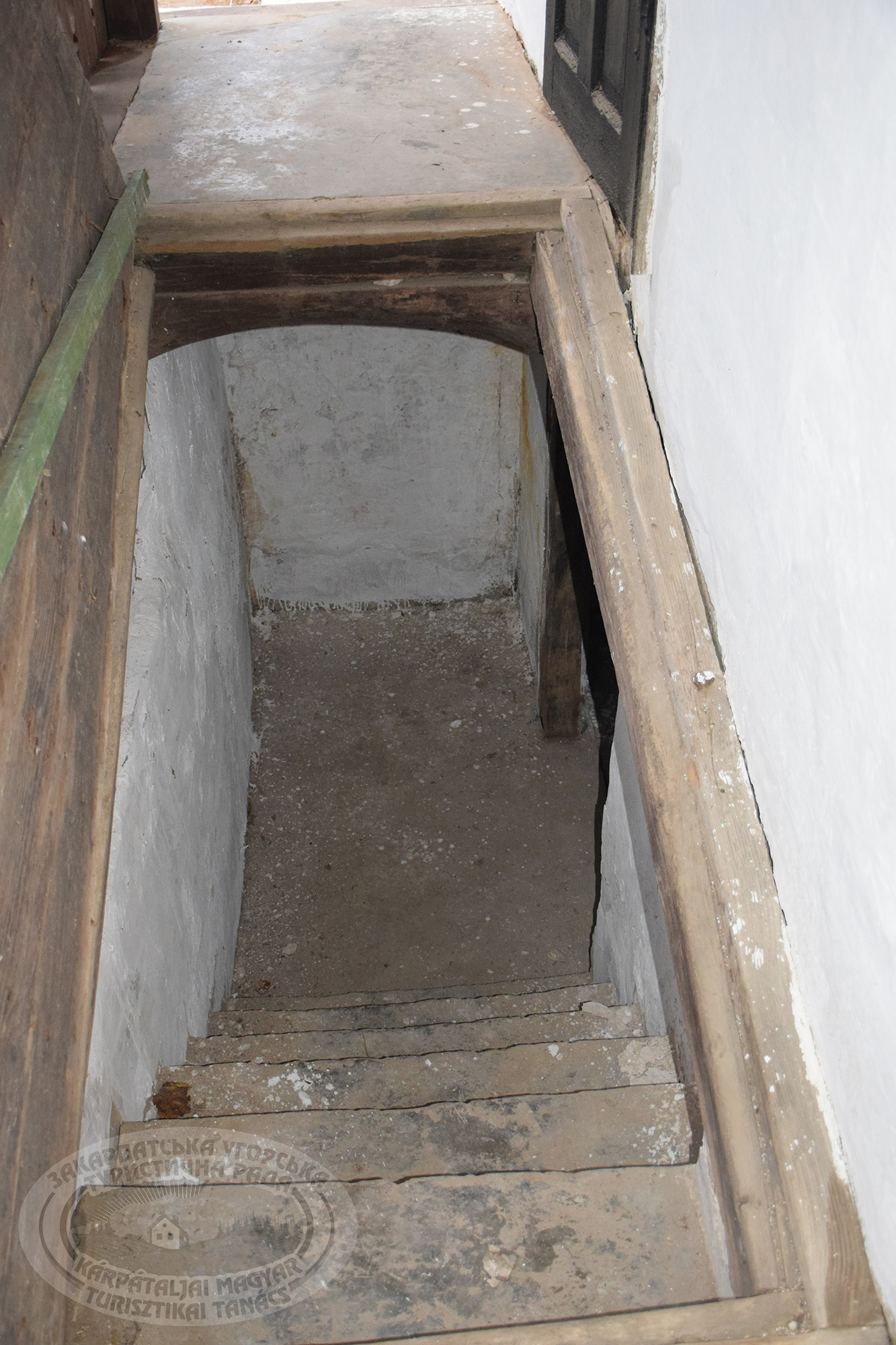
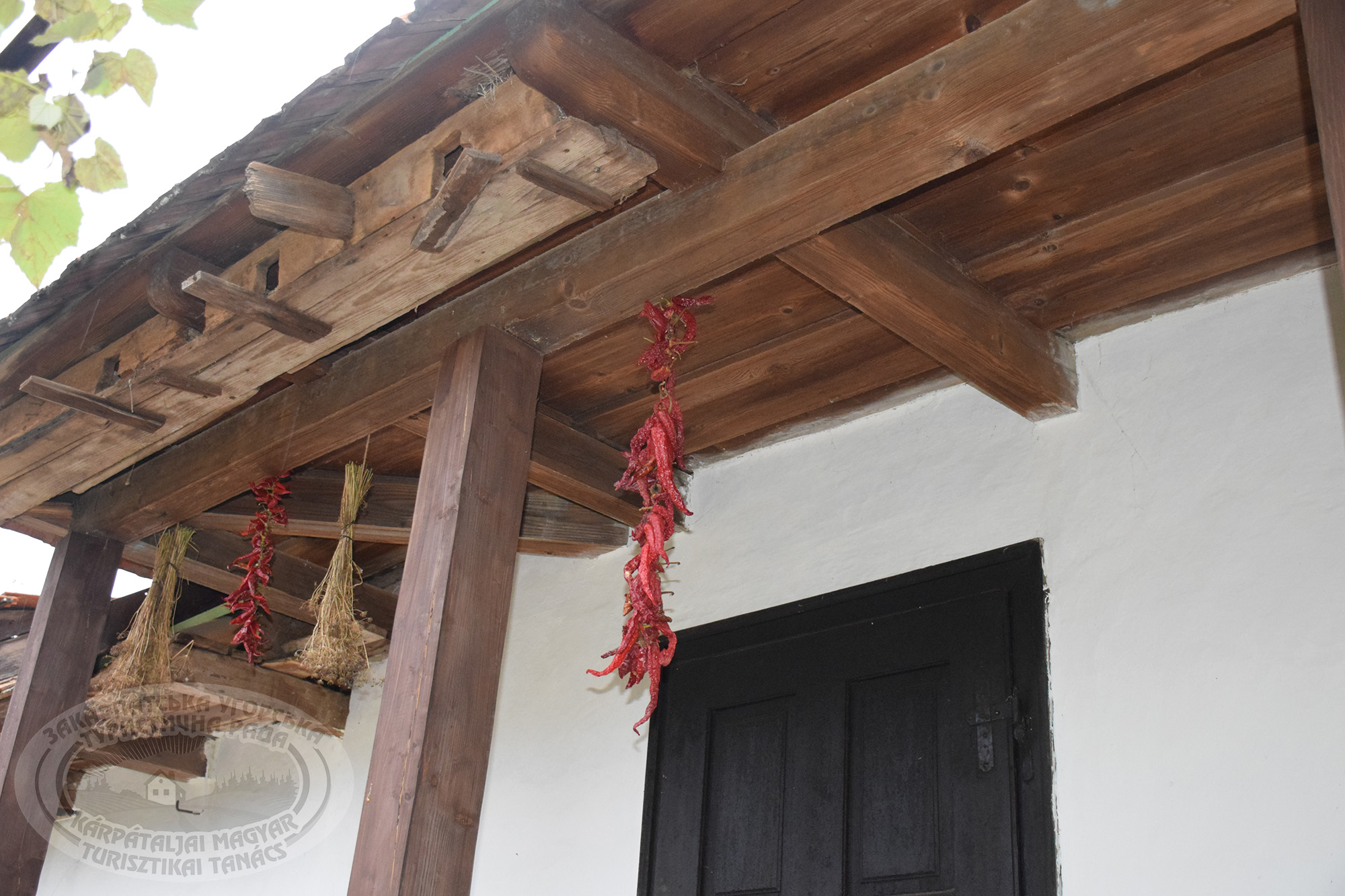
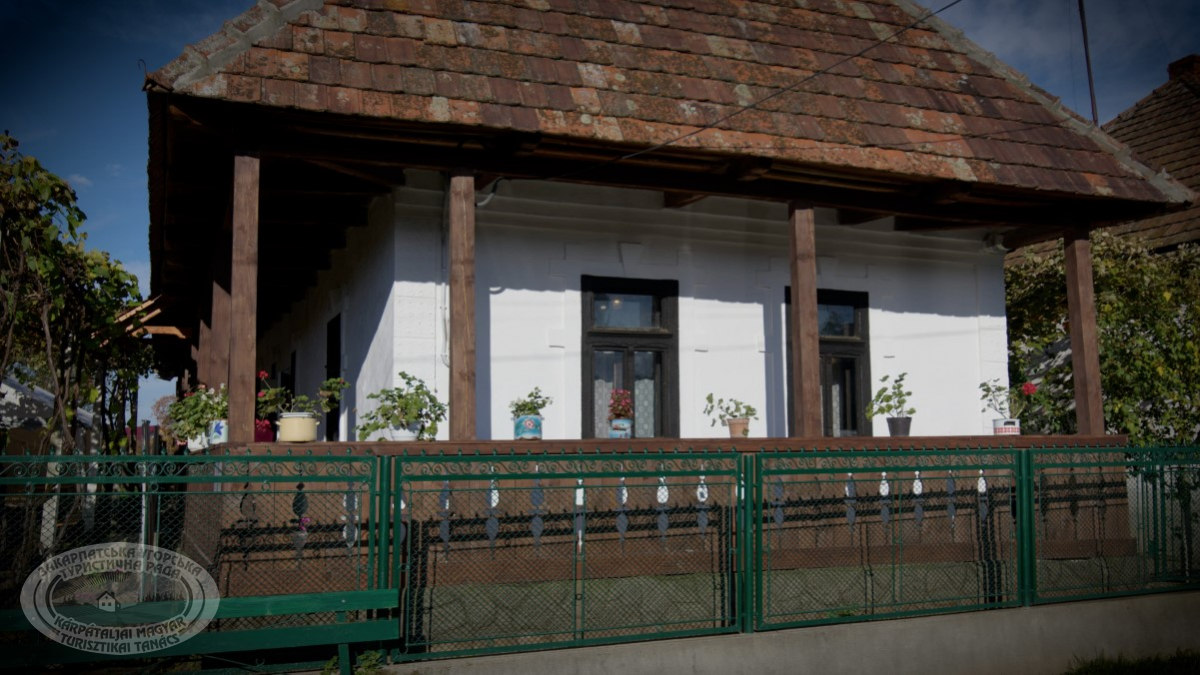
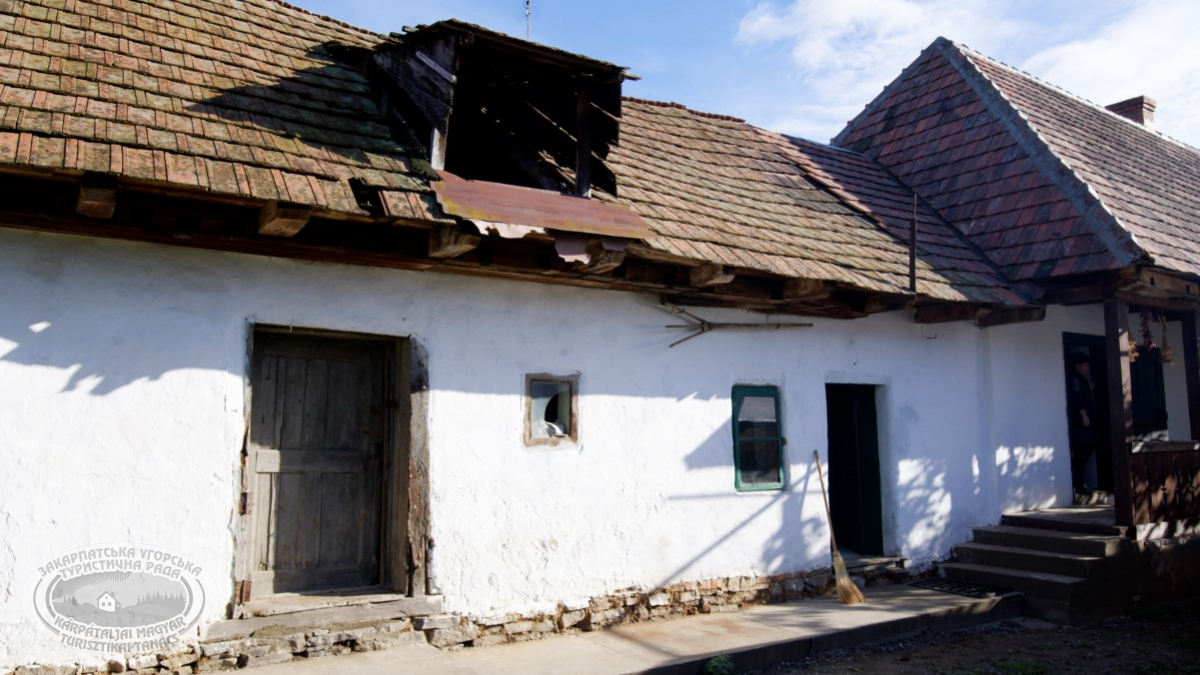
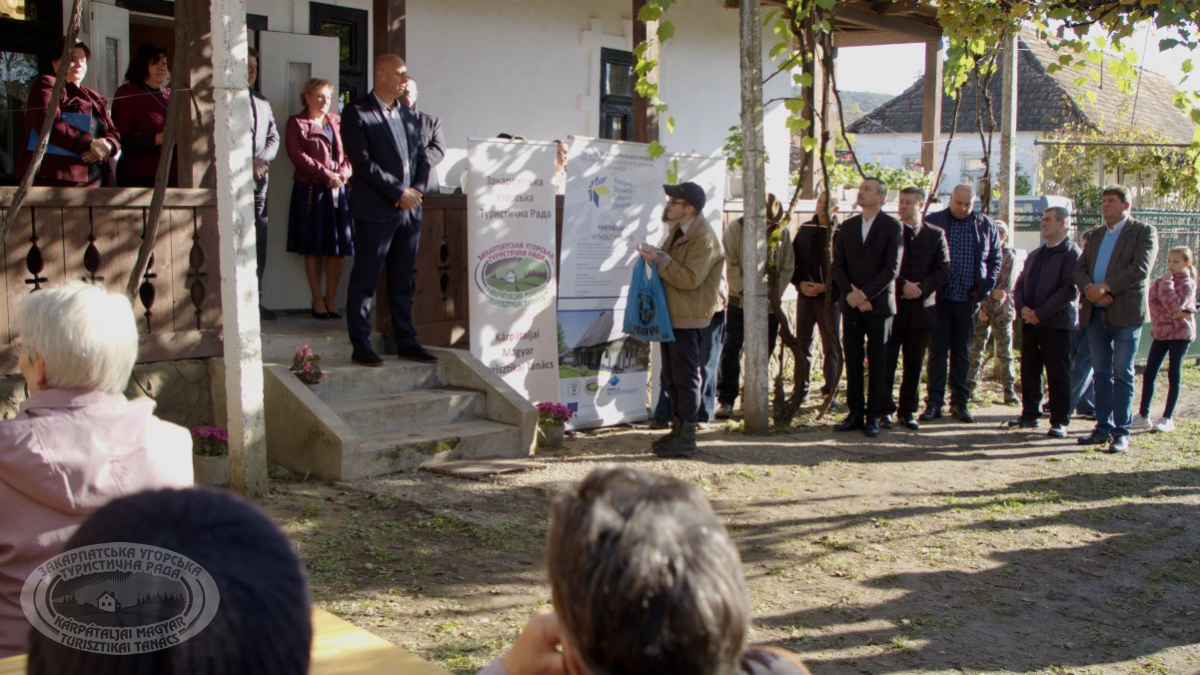
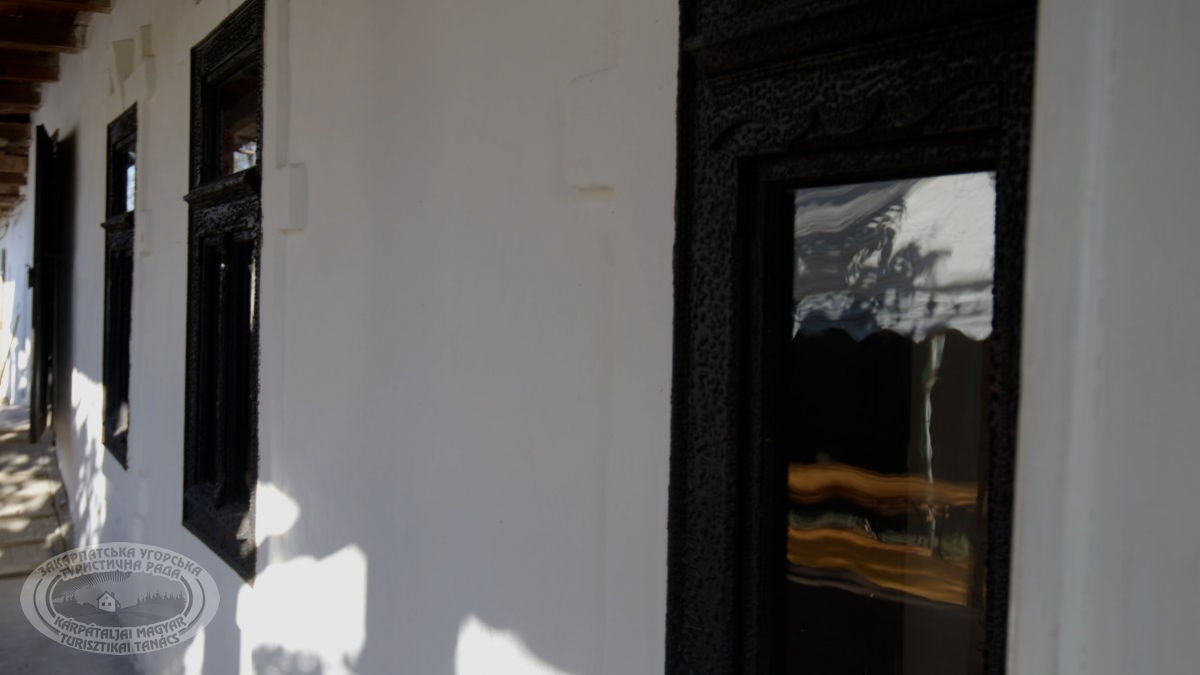
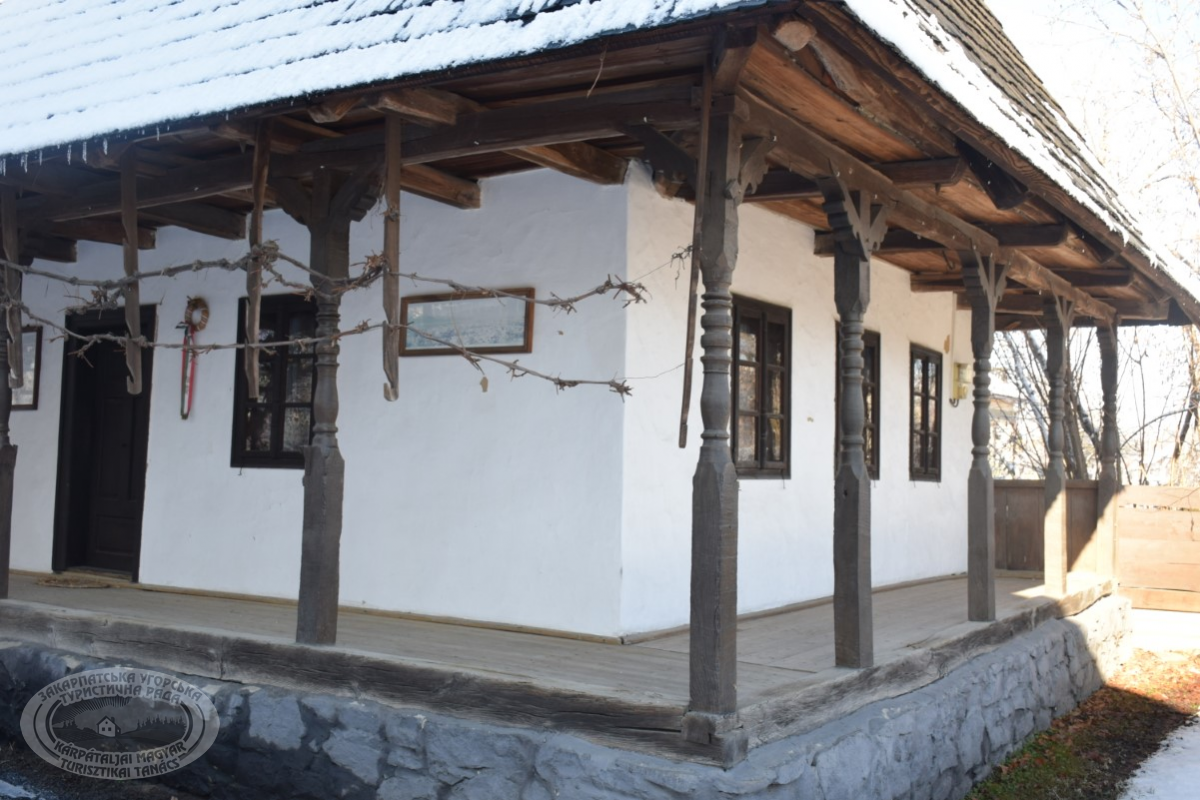
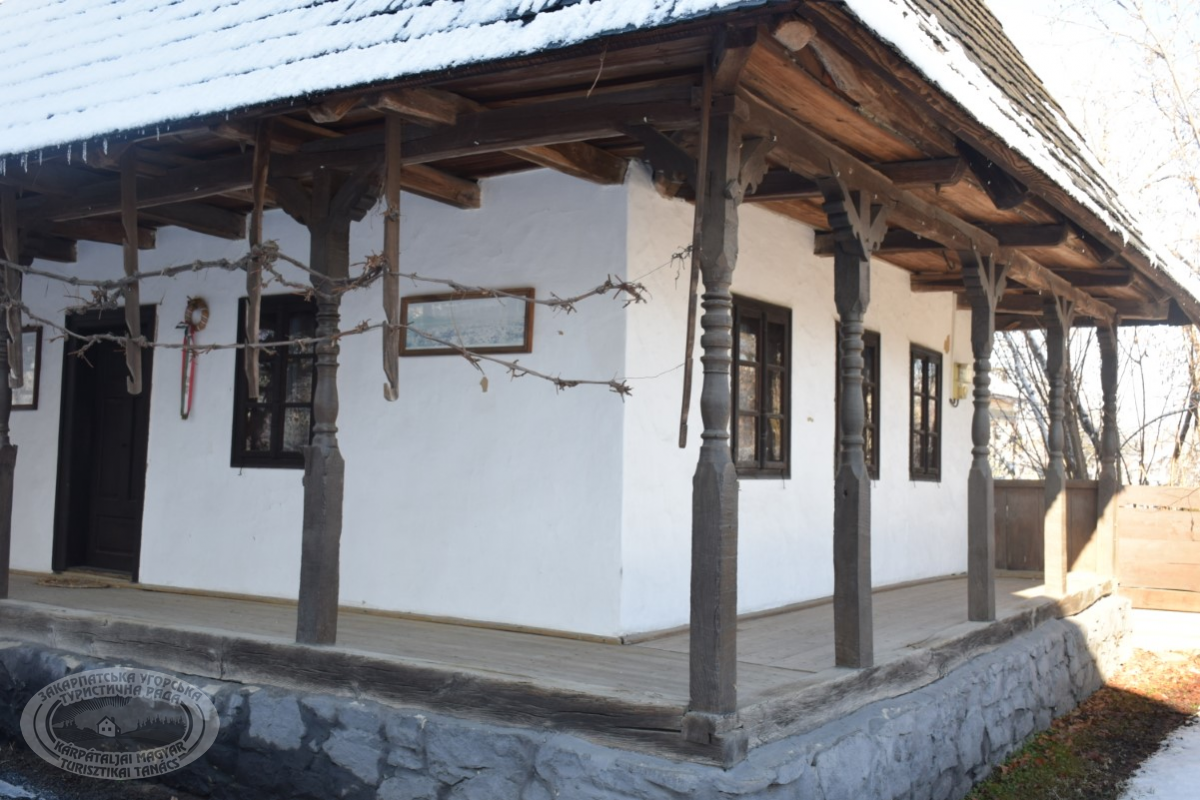
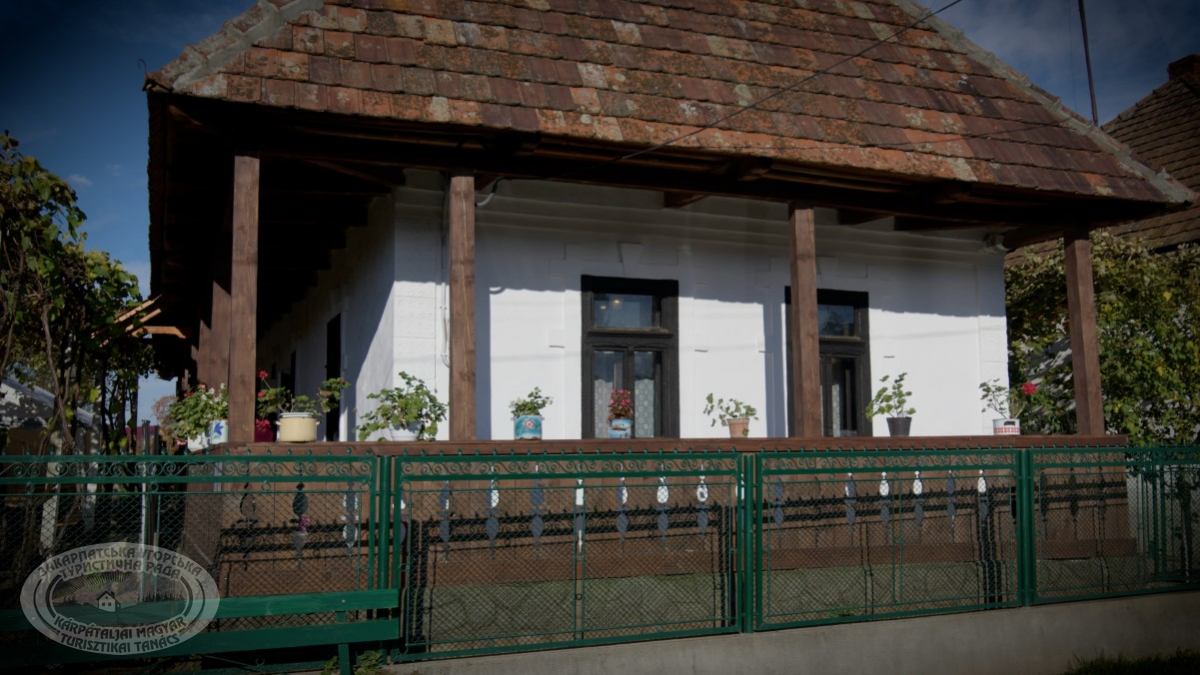
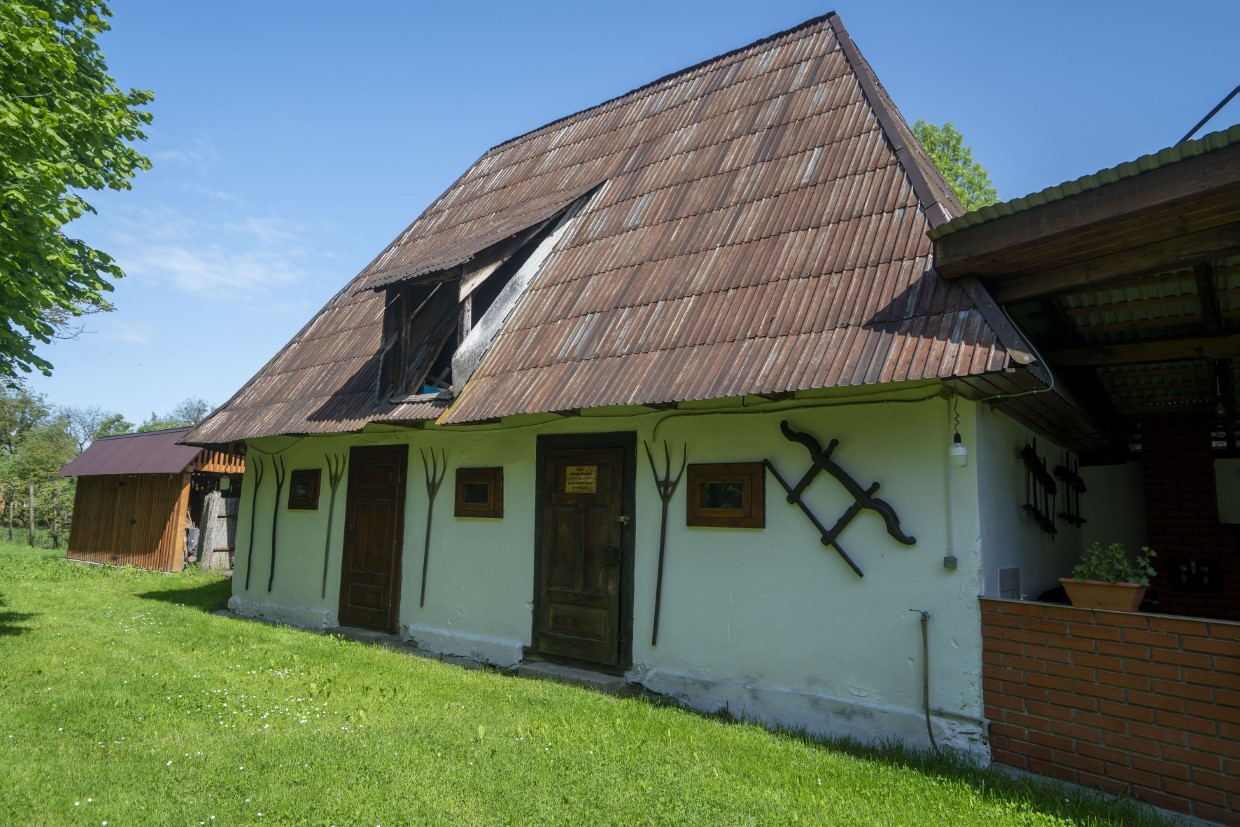
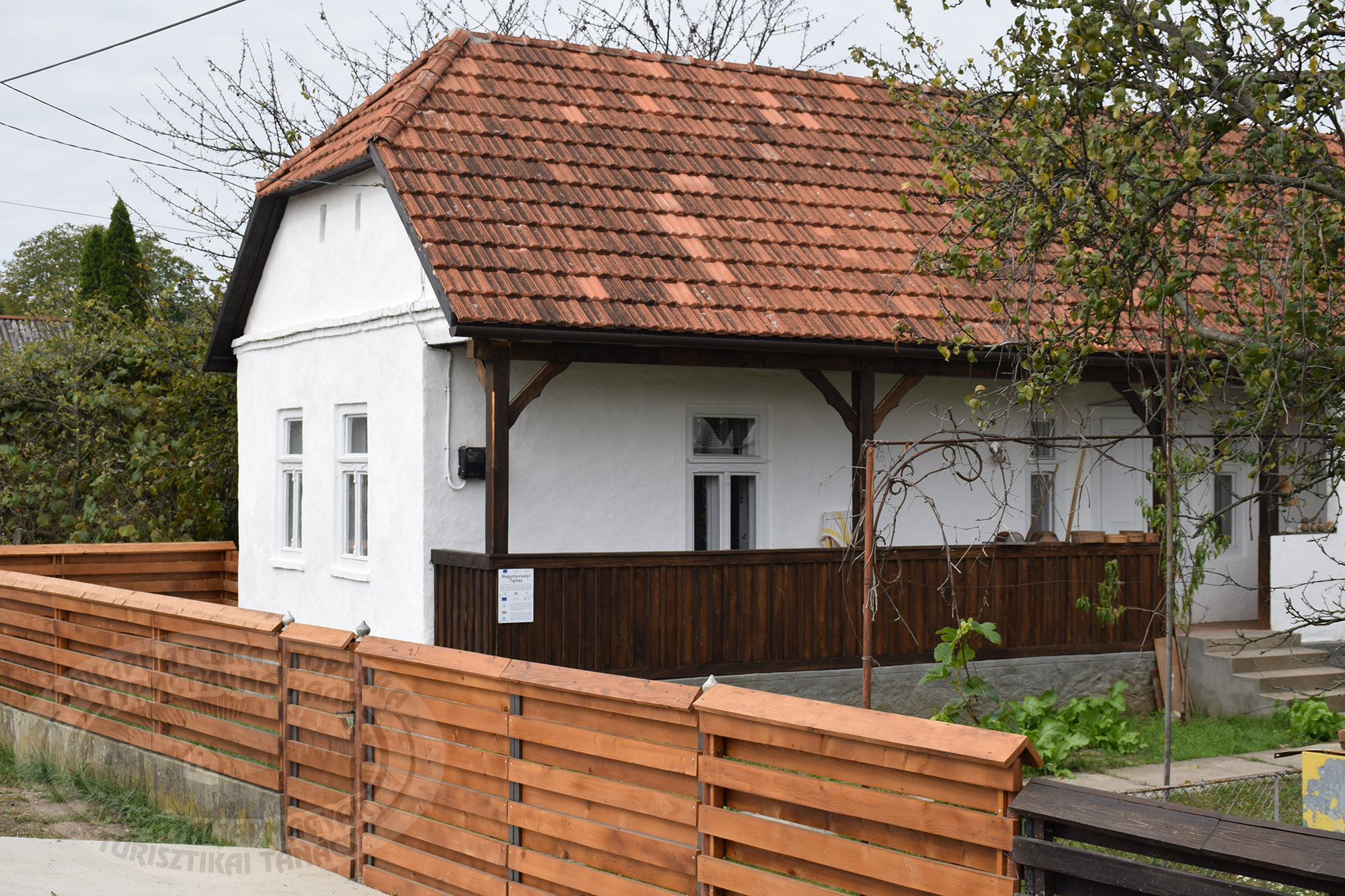
Будівля традиційного сільського будинку с. Шаланки є одною із яскравих зразків місцевої народної архітектури поселення. Це – мурована змішана господарська хата з круглим ґанком, черепичним дахом, вальмовою конструкцією даху, спочатку тридільна, пізніше розширена коморою та господарськими будівлями, останнім власником якої була Мальвін Шюто. На подвір'ї знаходиться багатодільна прибудова ("літня кухня") та декілька господарських будівель. Традиційний сільський будинок розташований на подвійній ділянці, на якій також є і величезний сад.
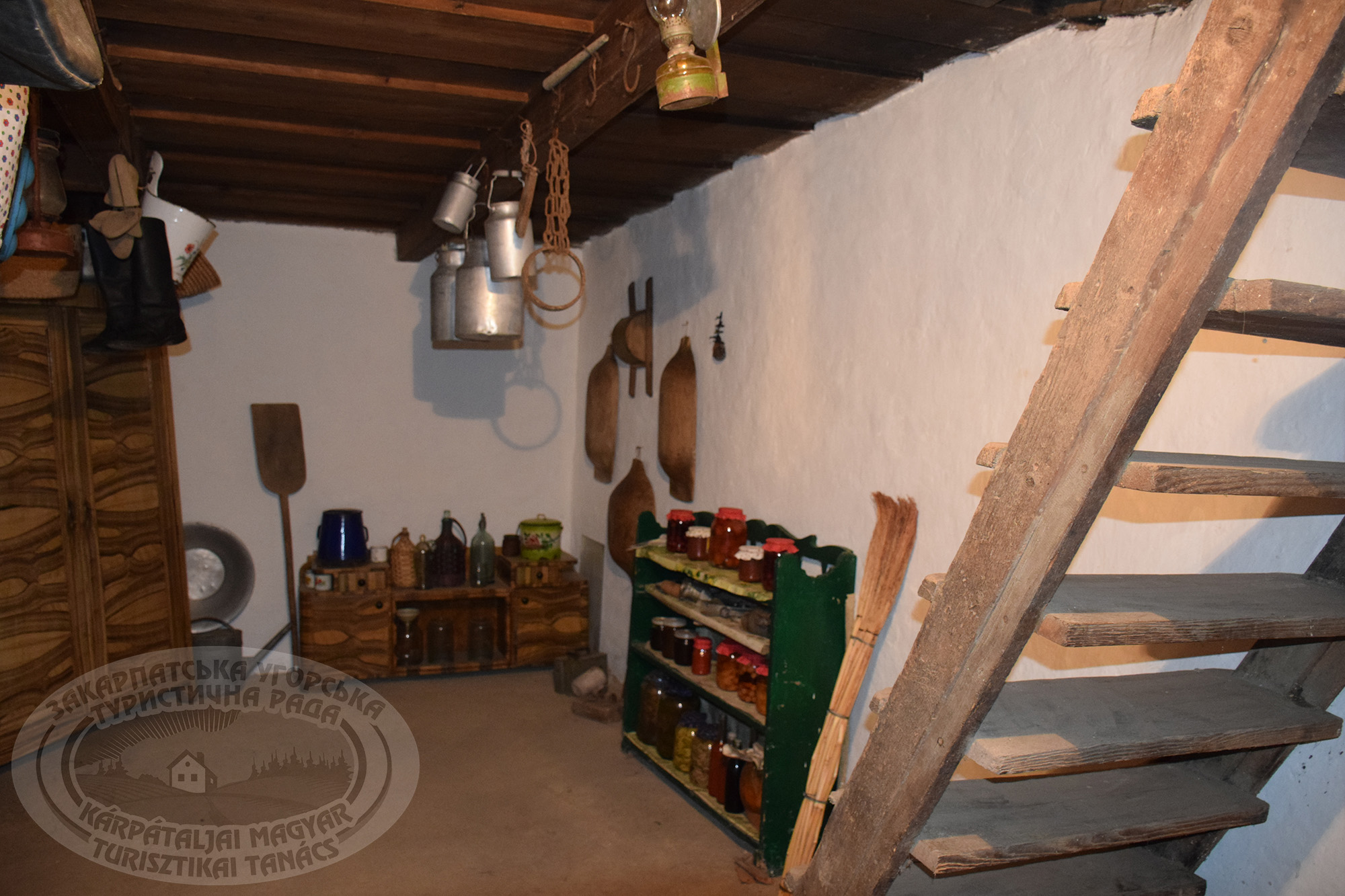
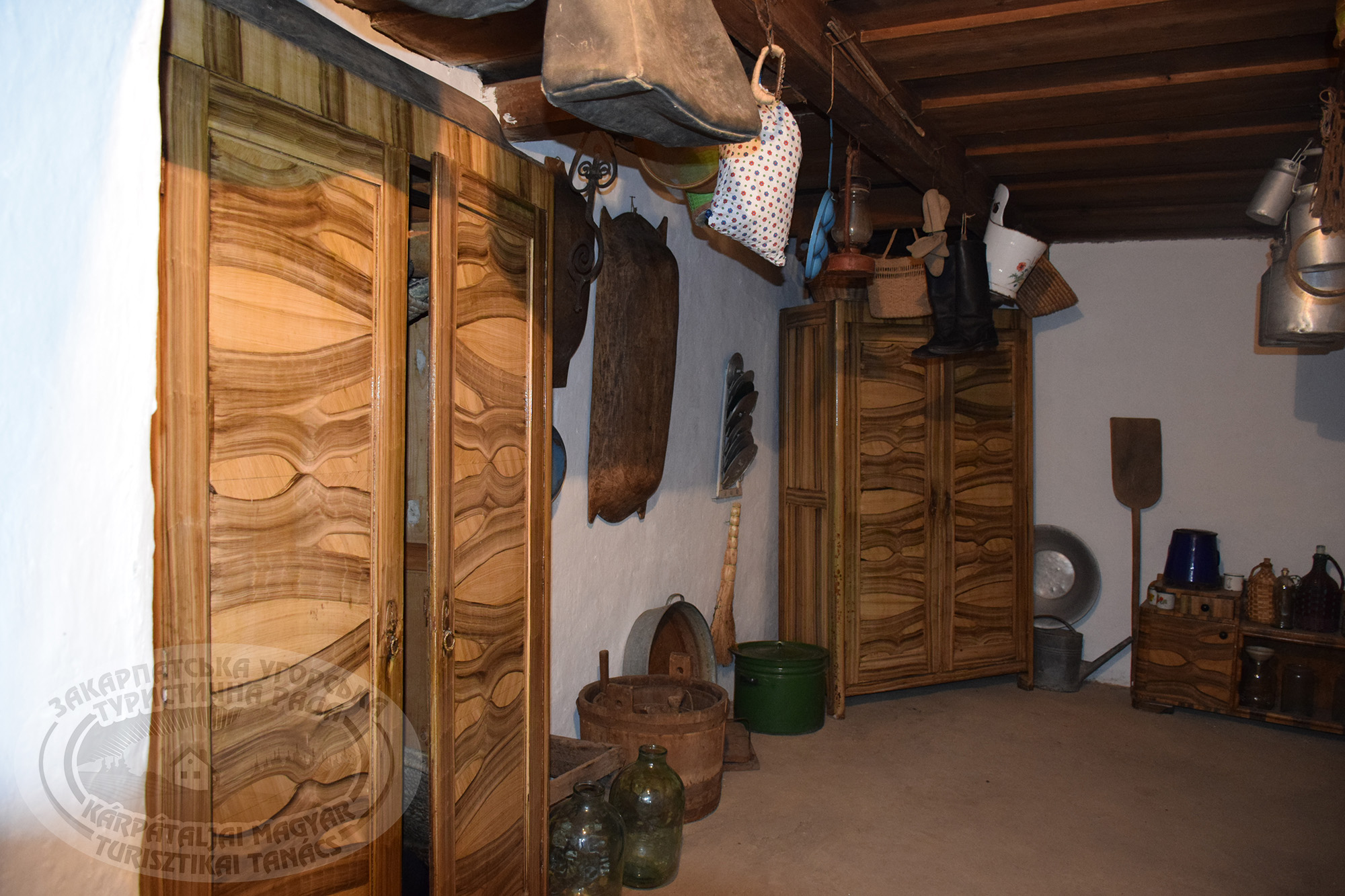
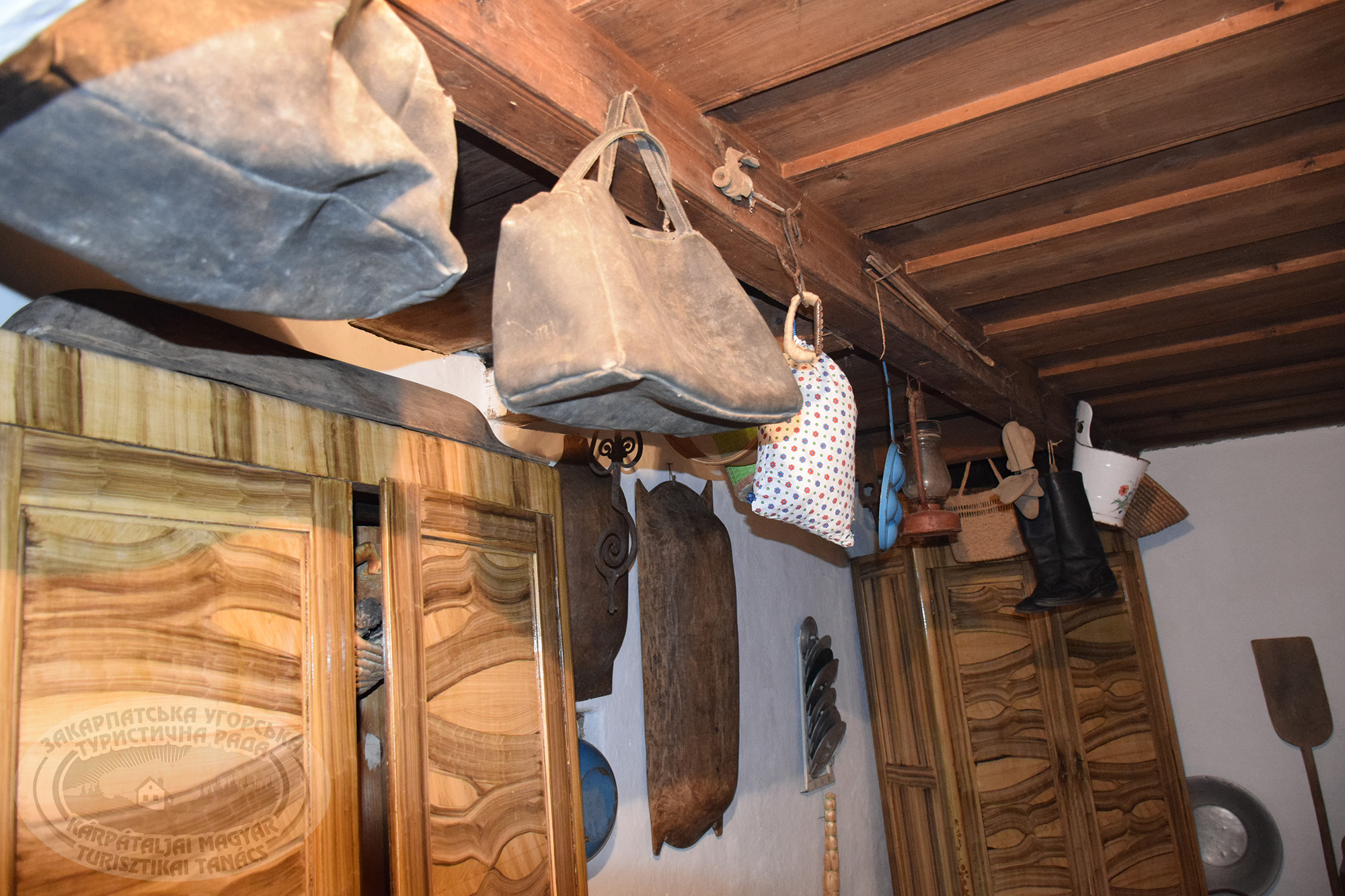
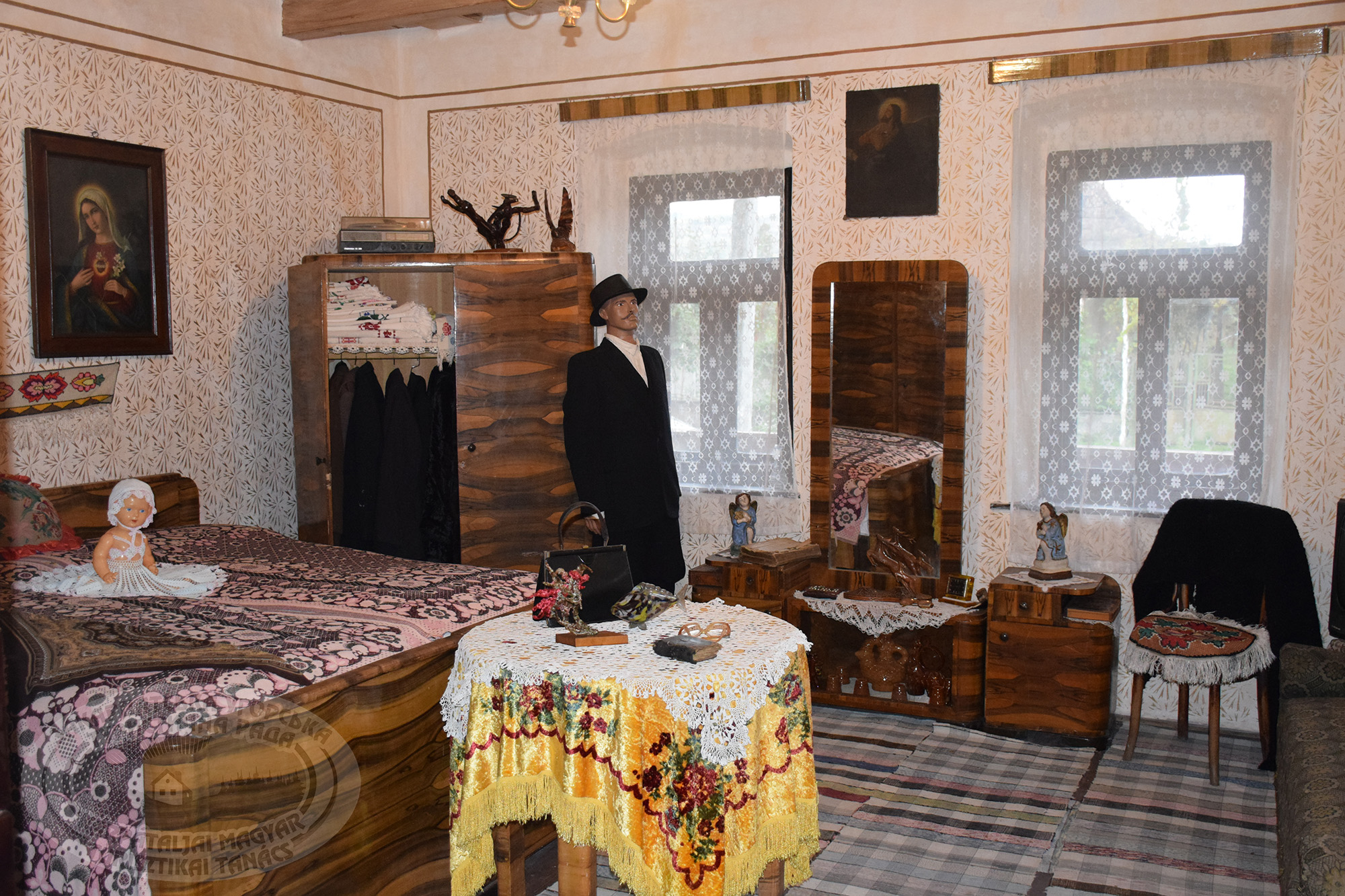
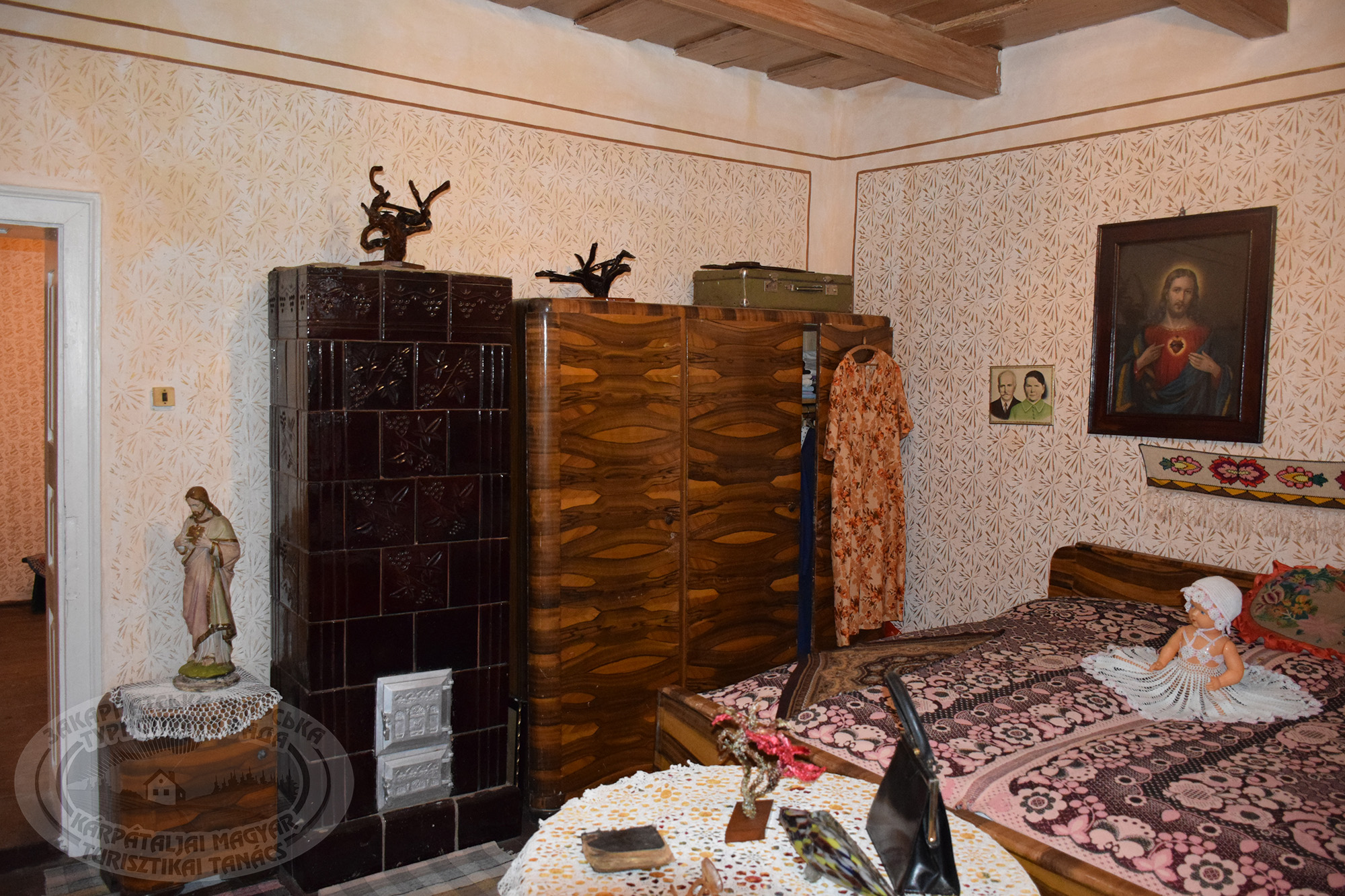
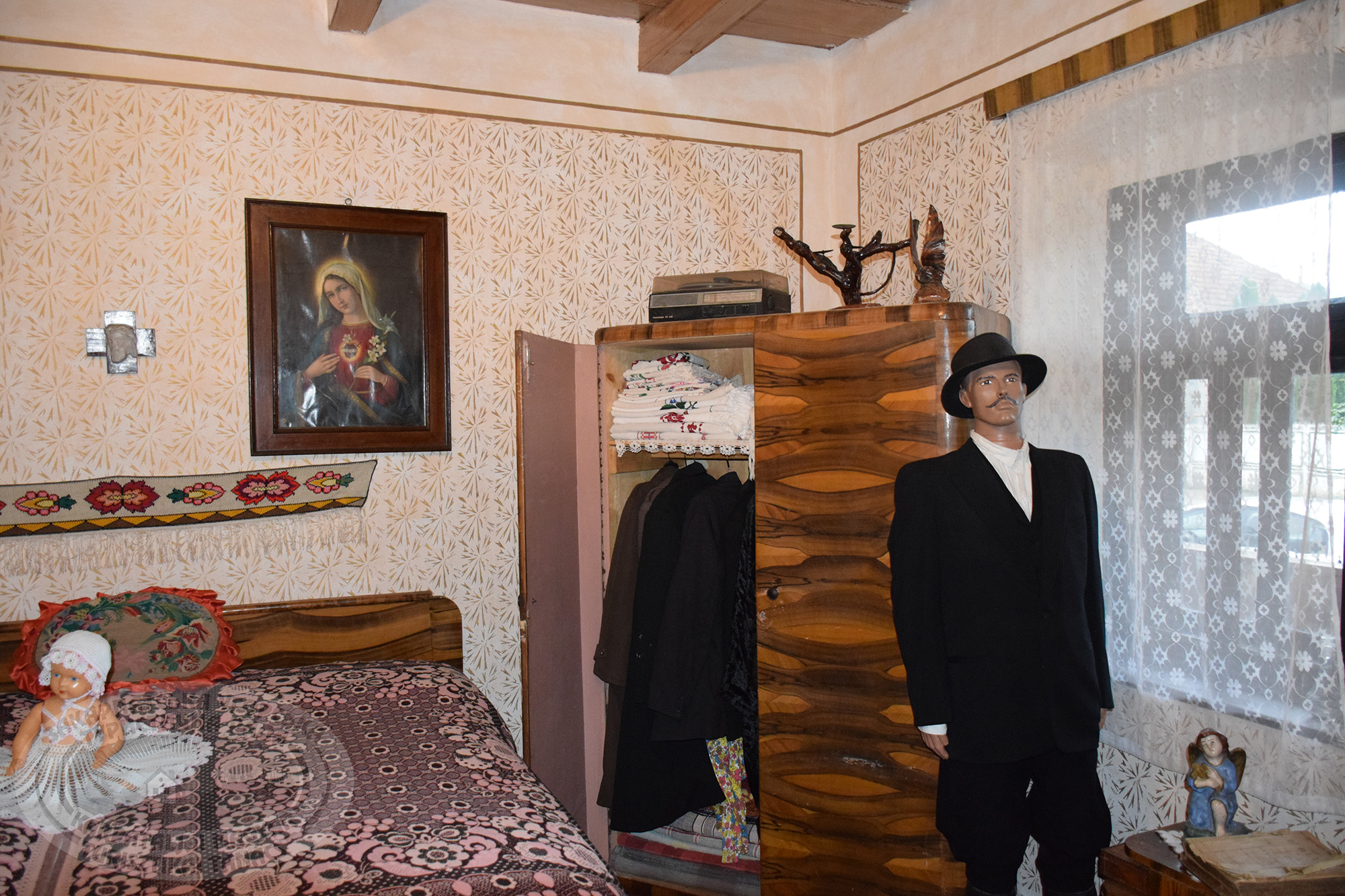
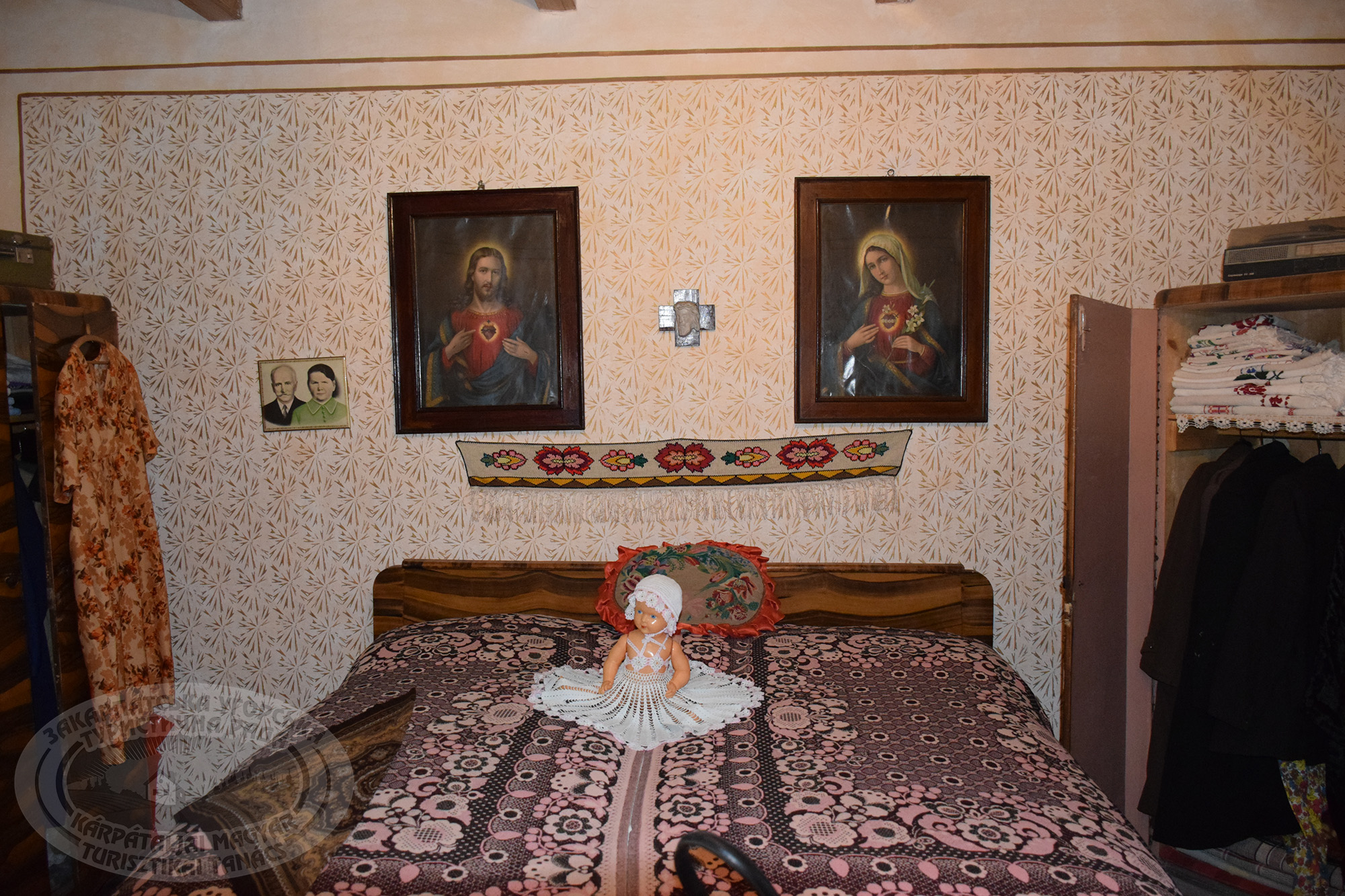
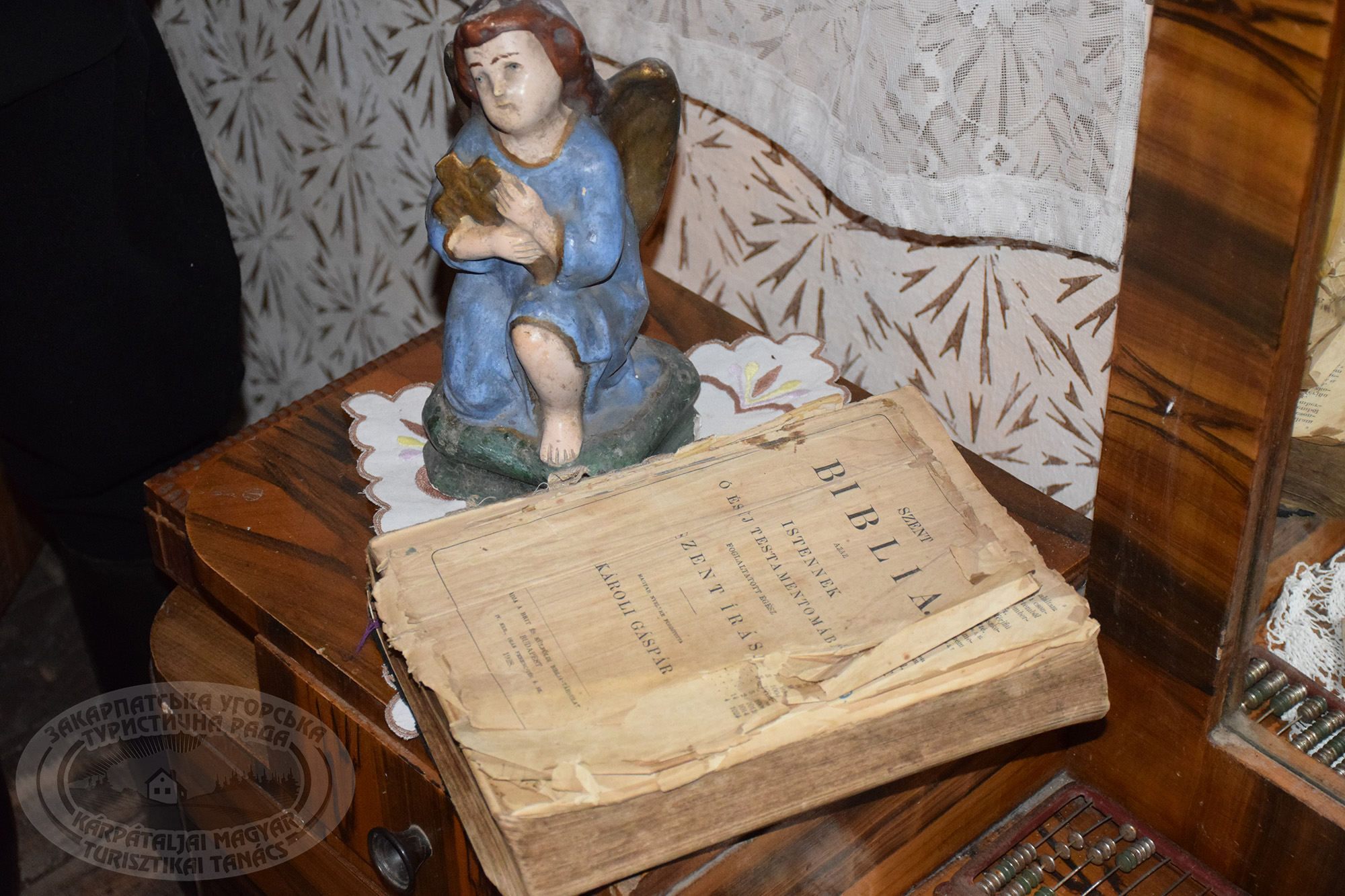
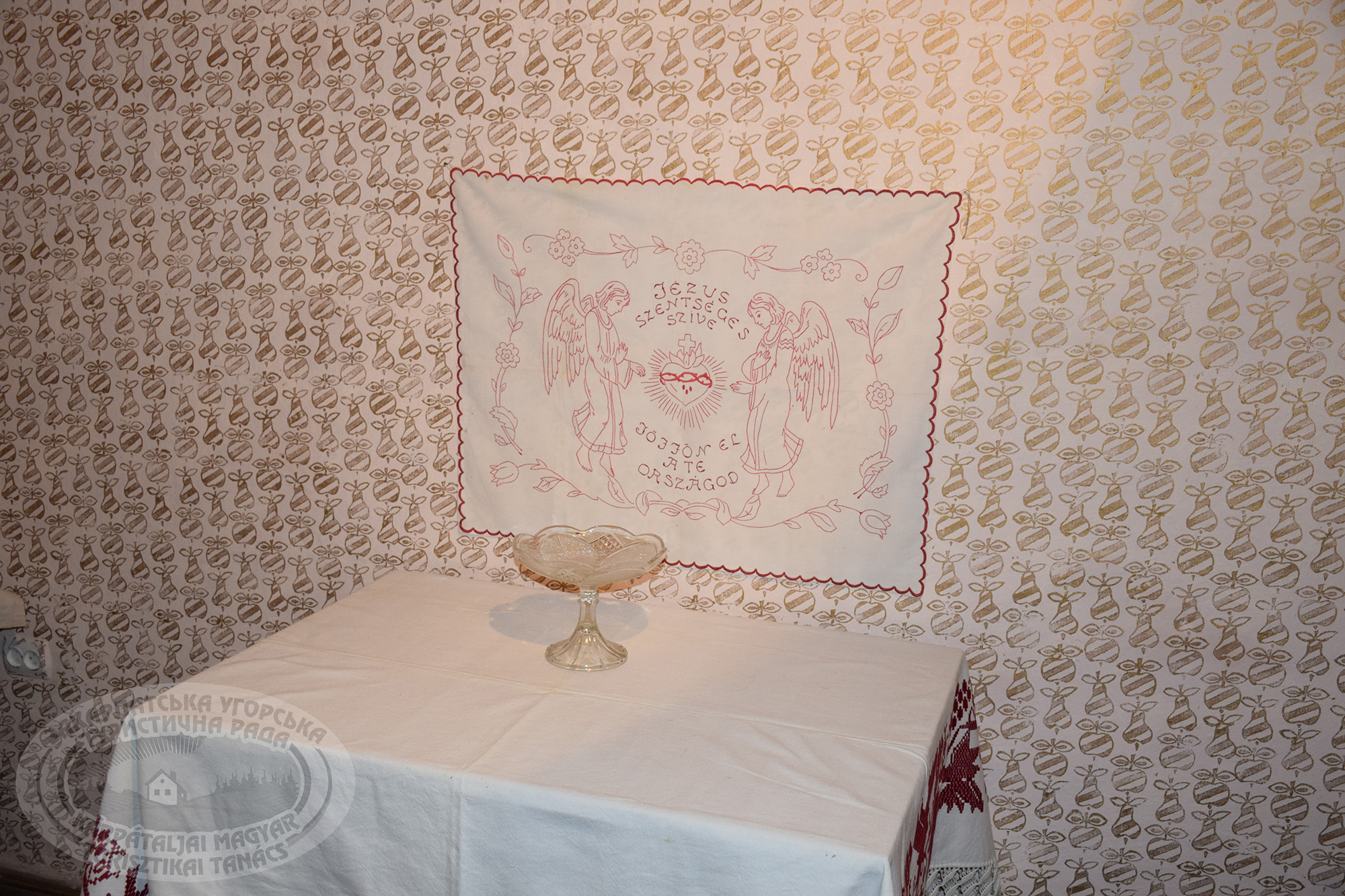
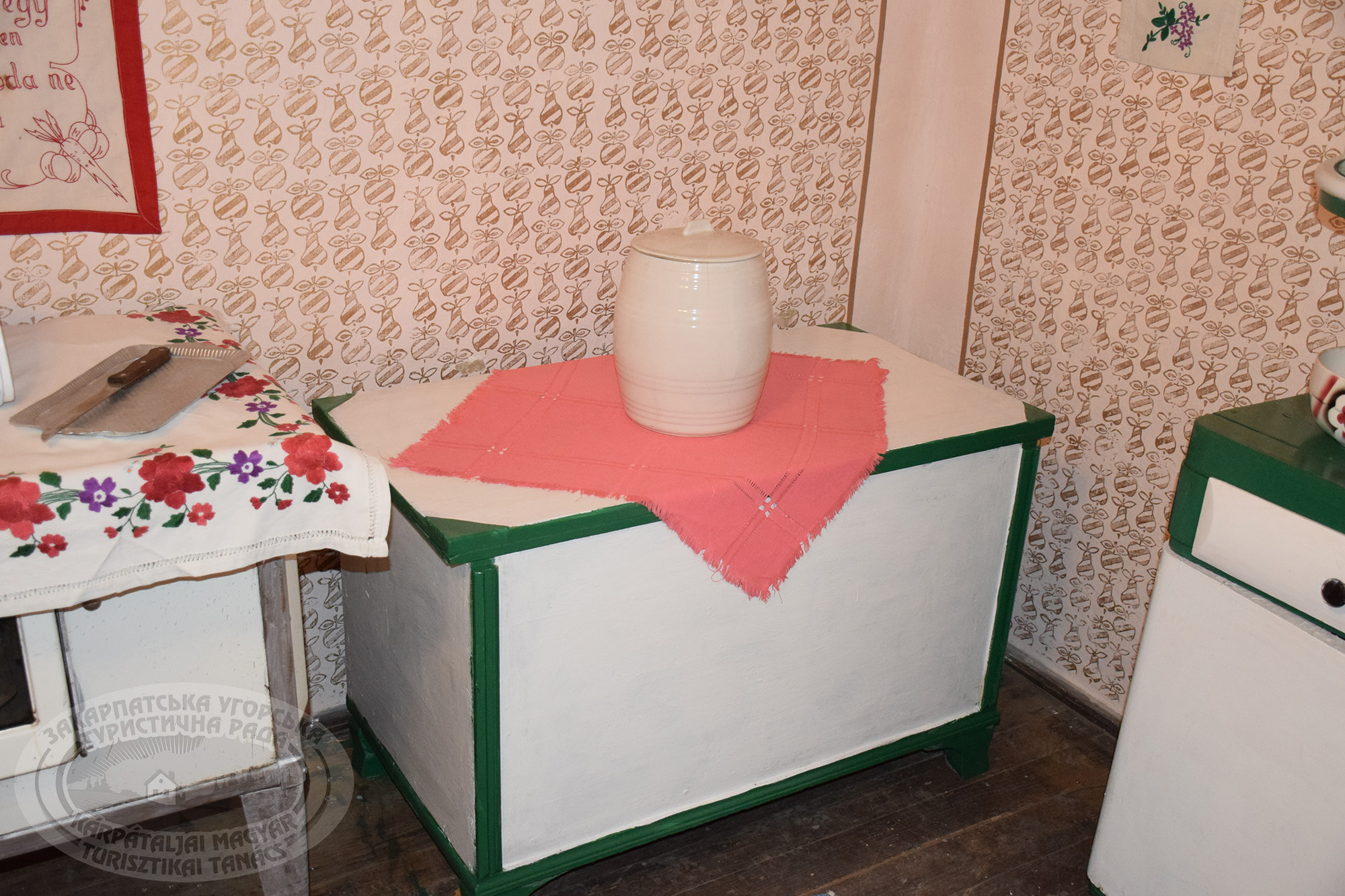
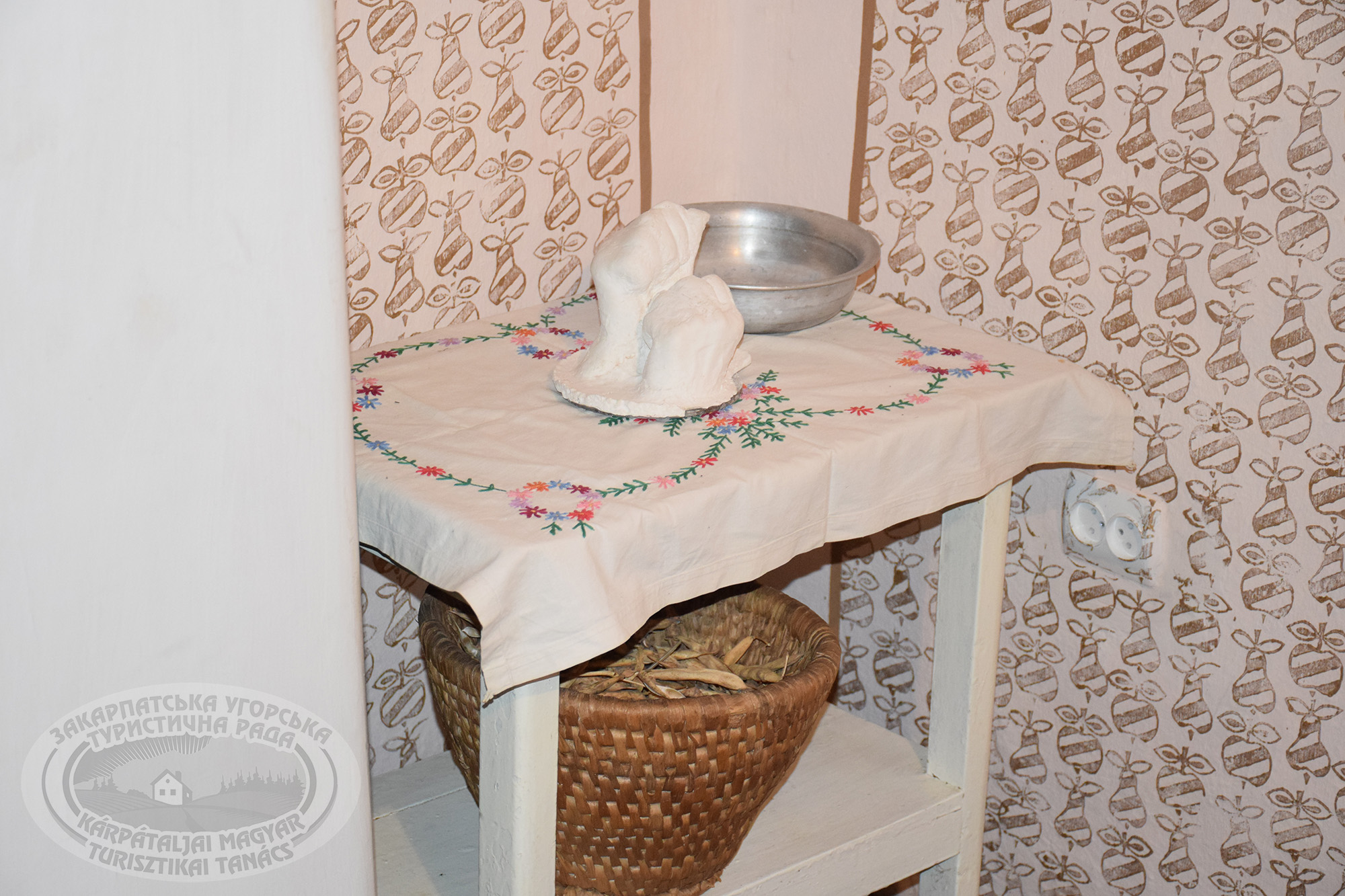
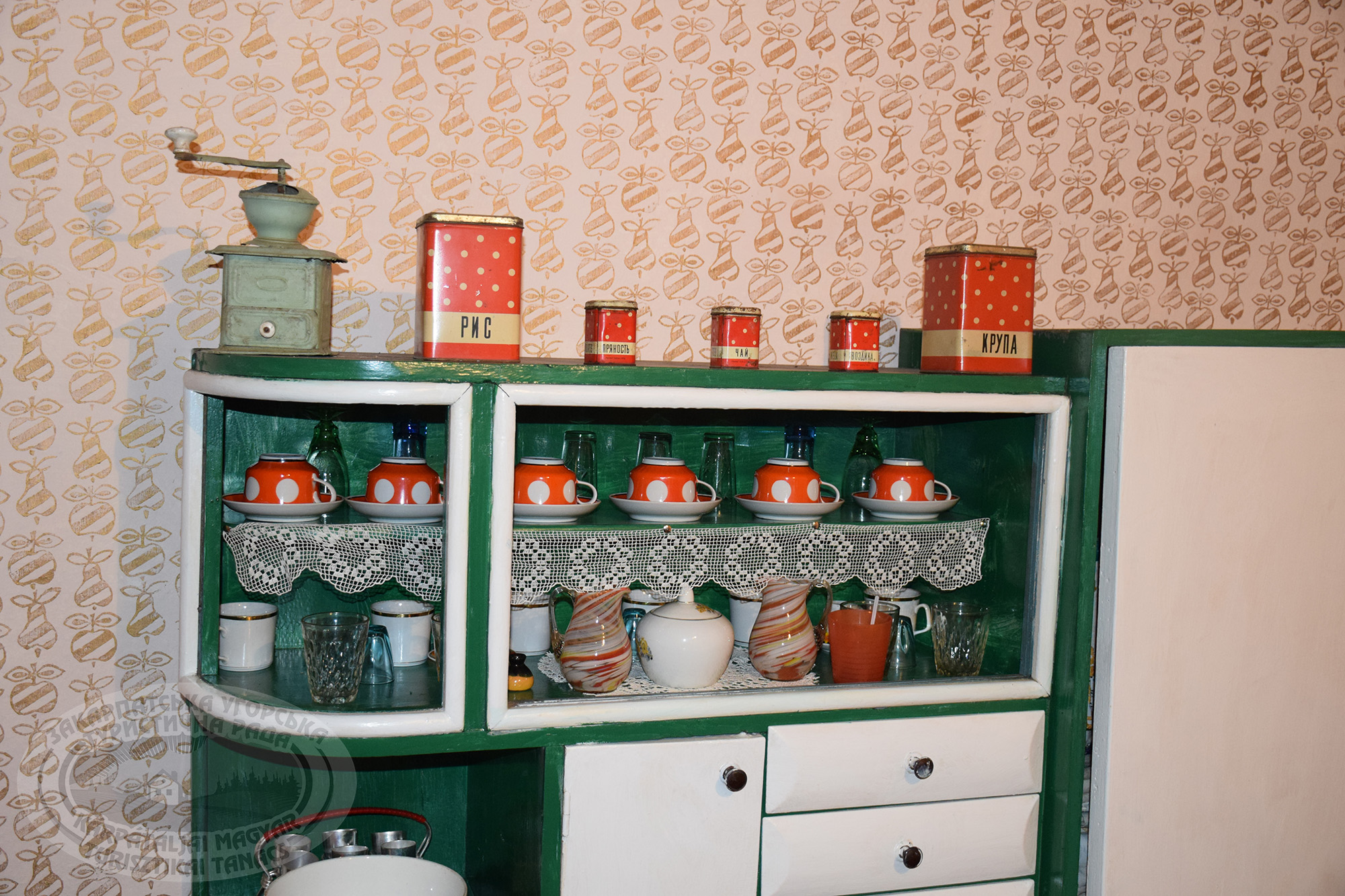
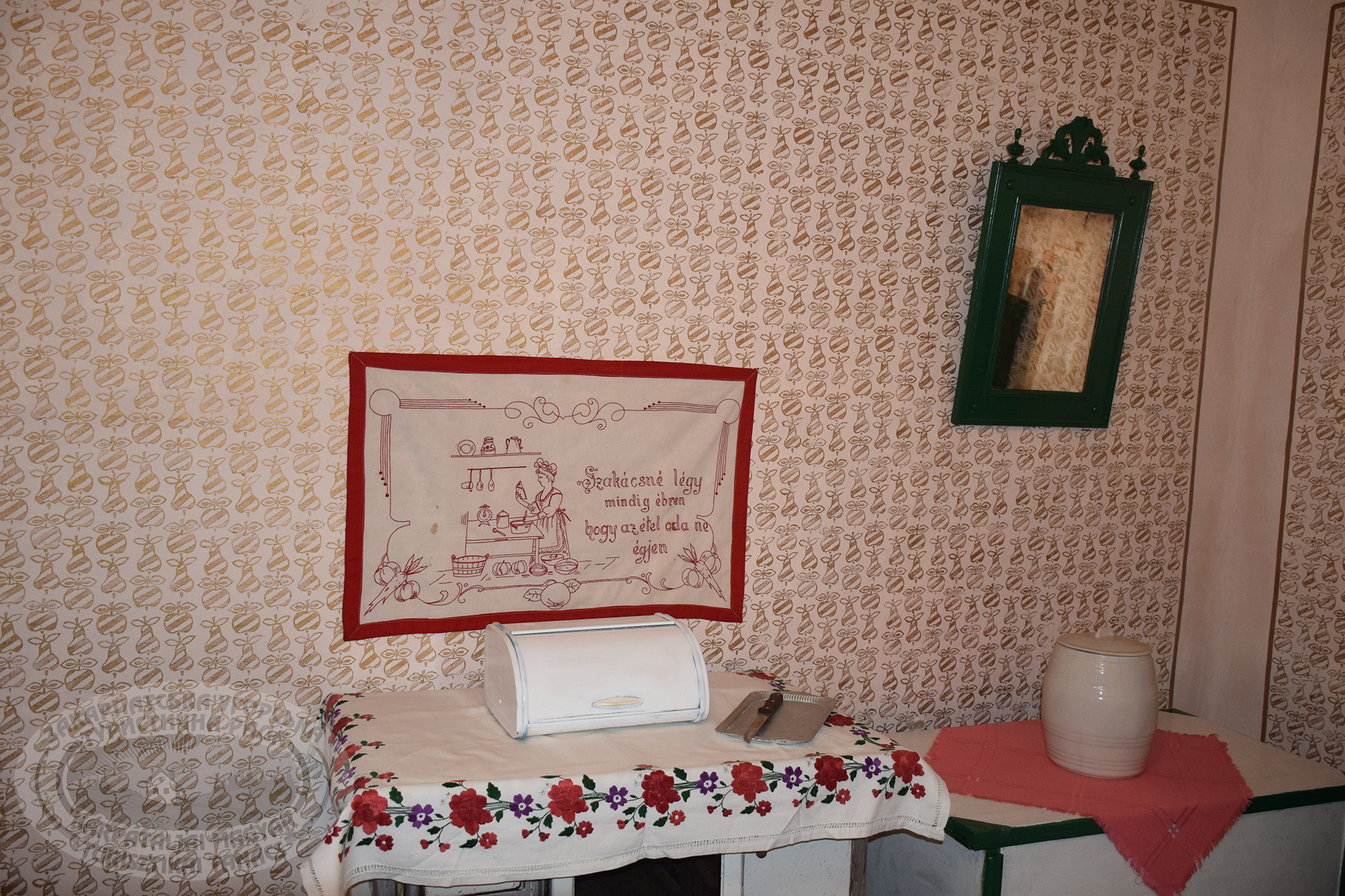
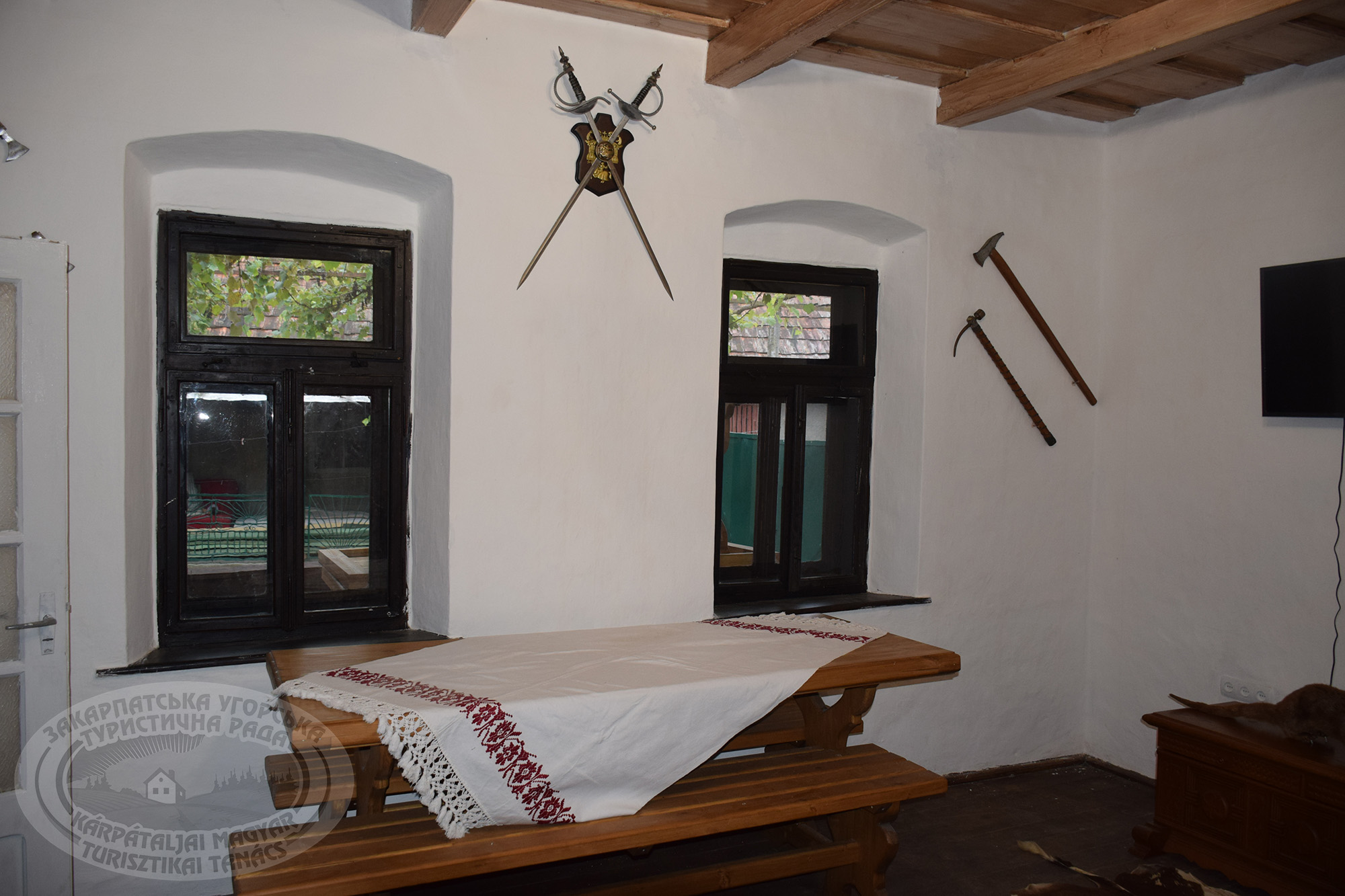
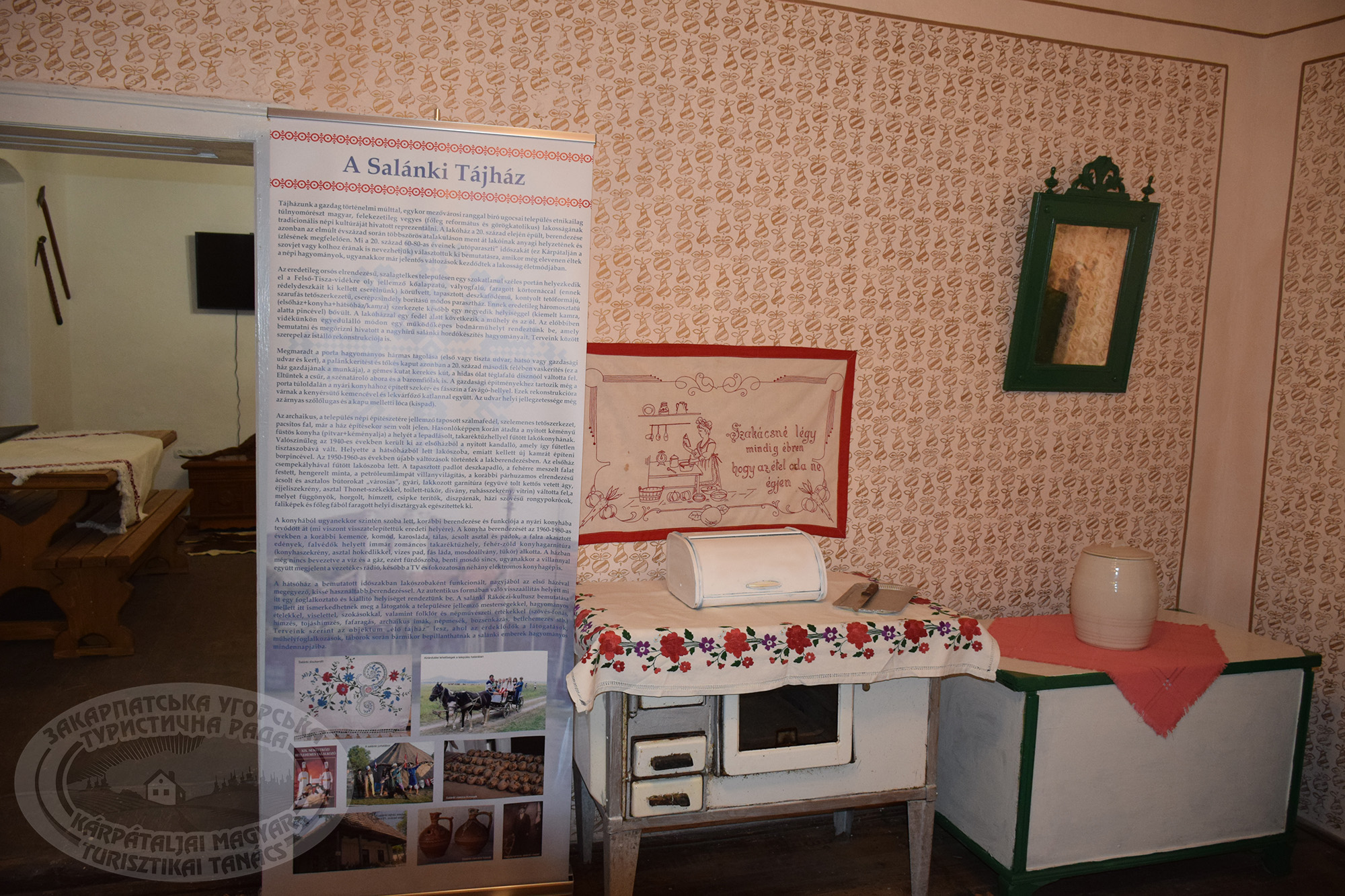
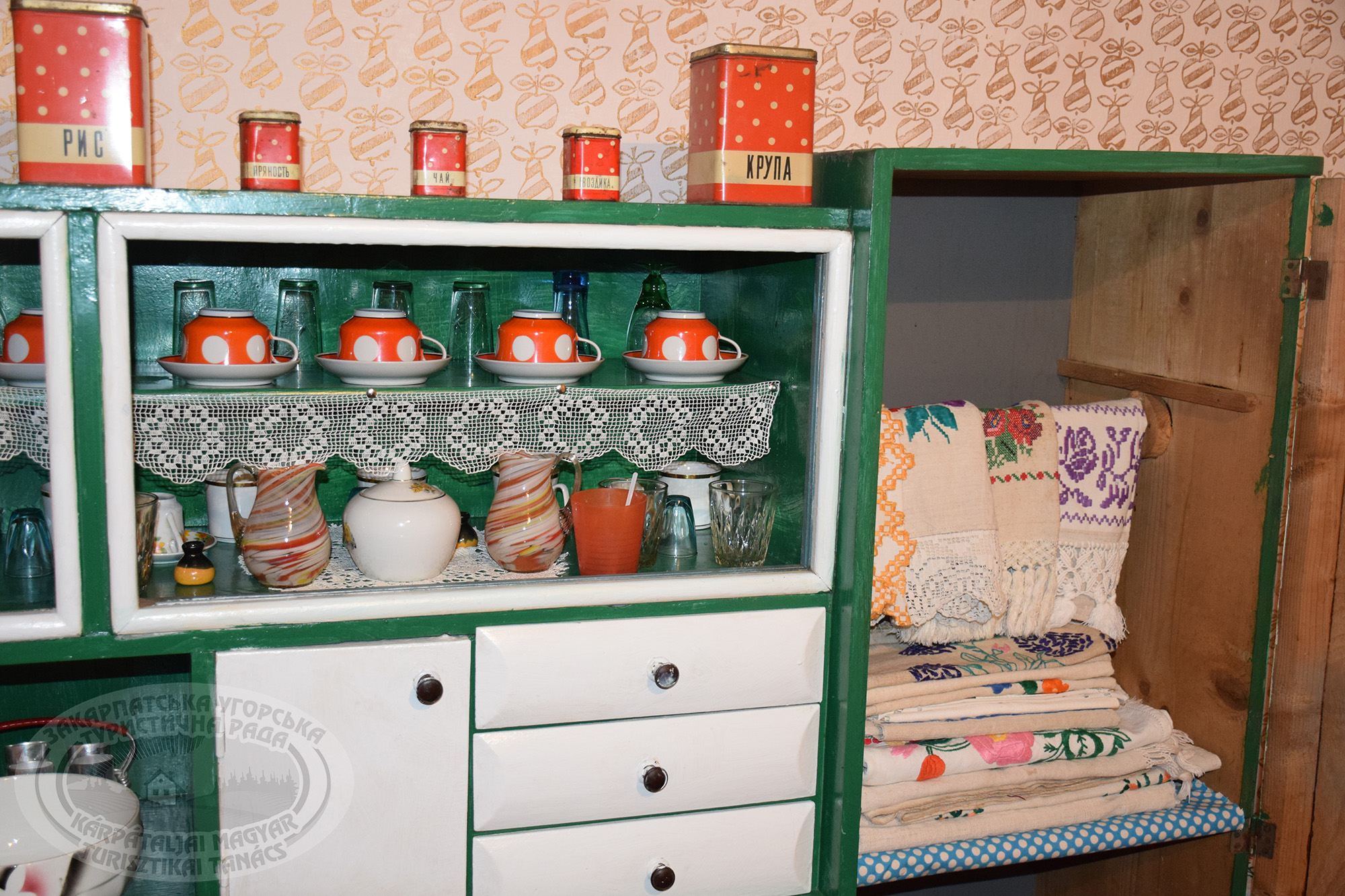
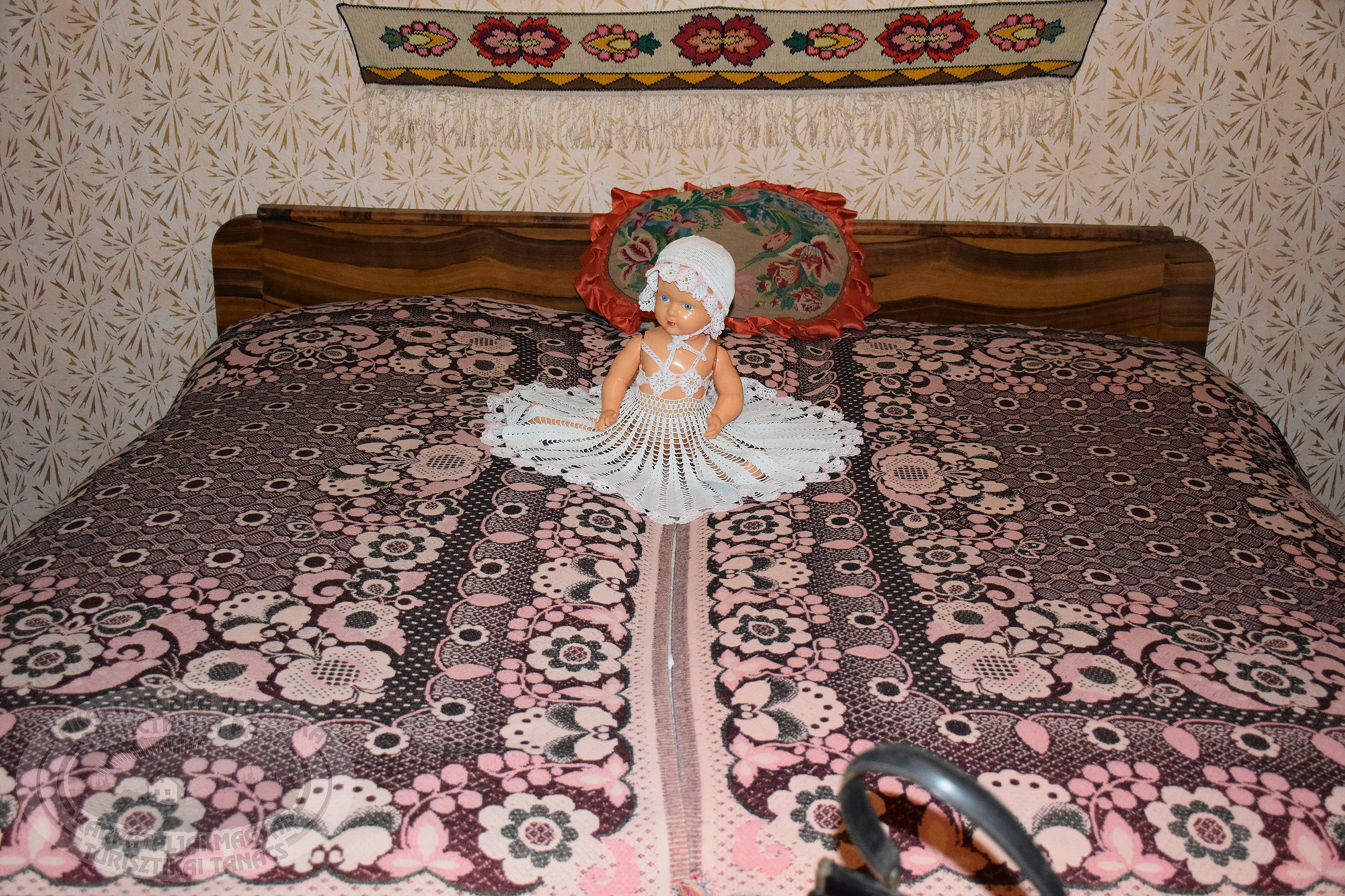
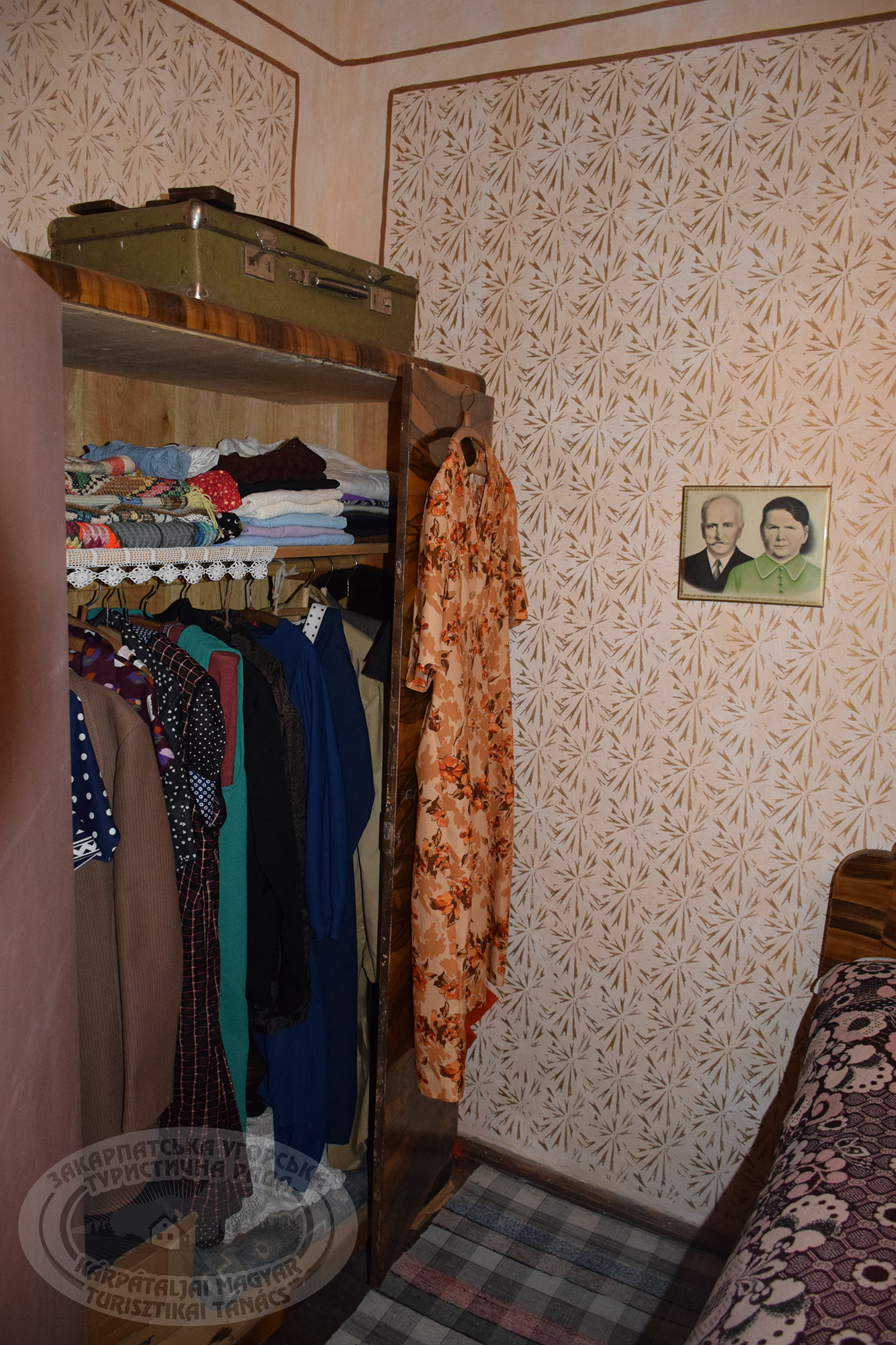
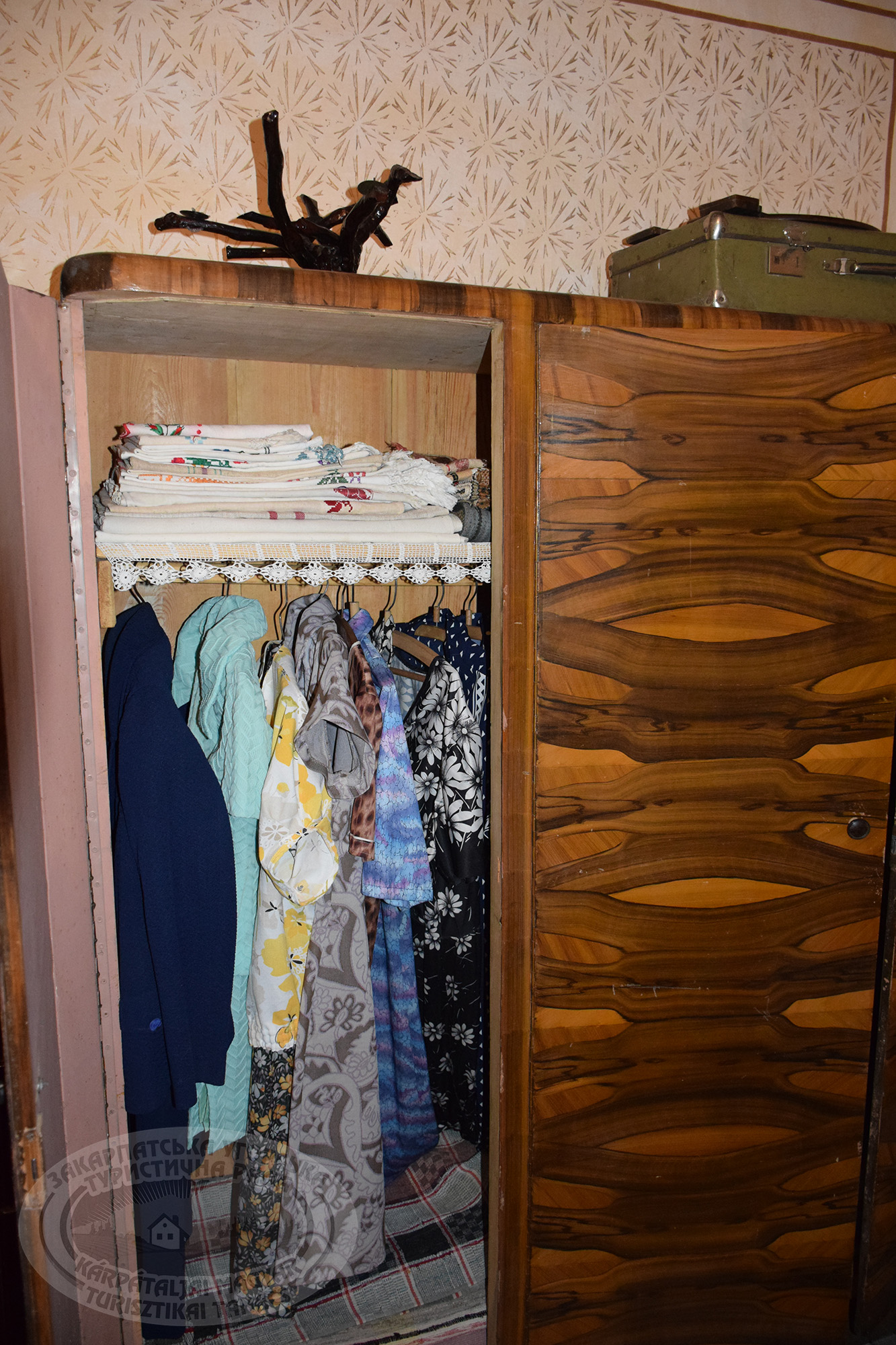
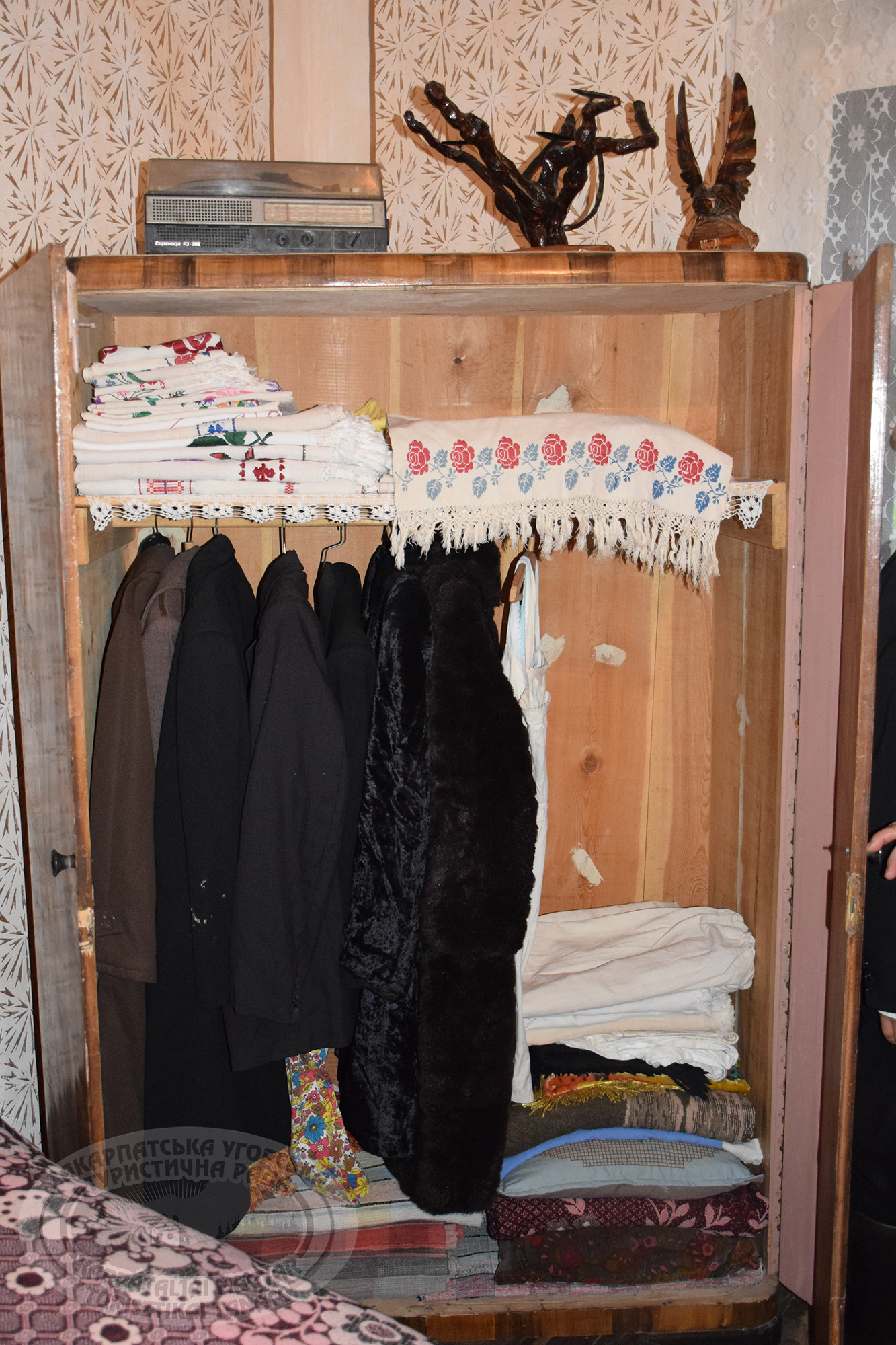
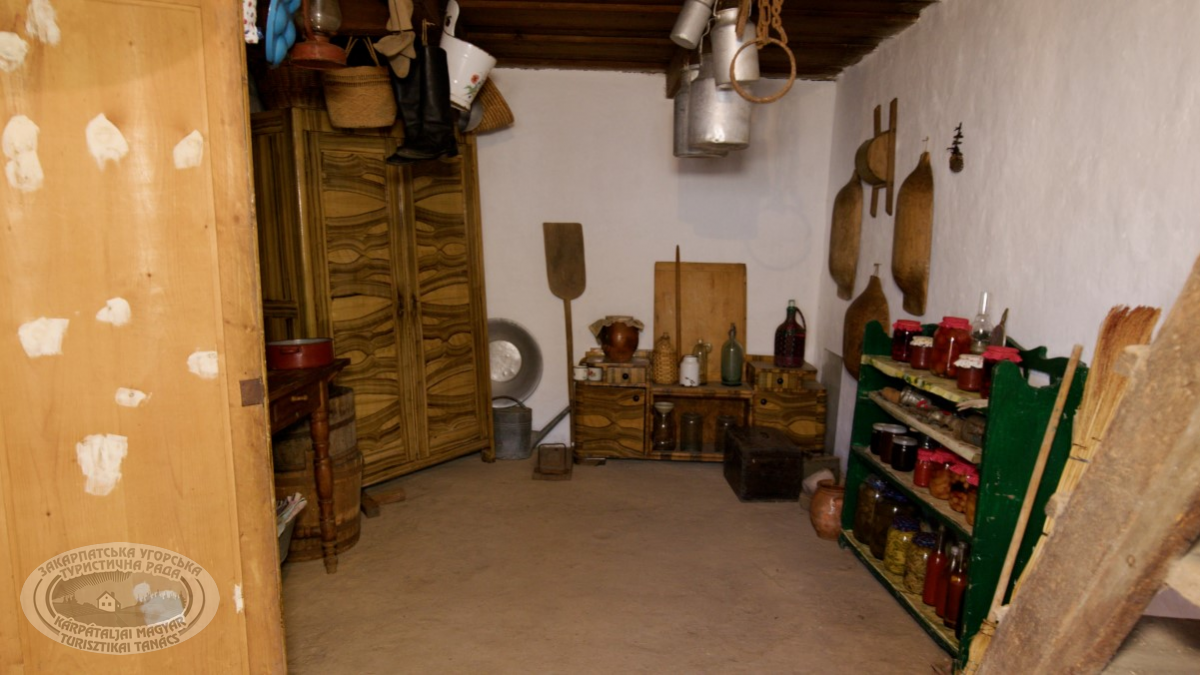
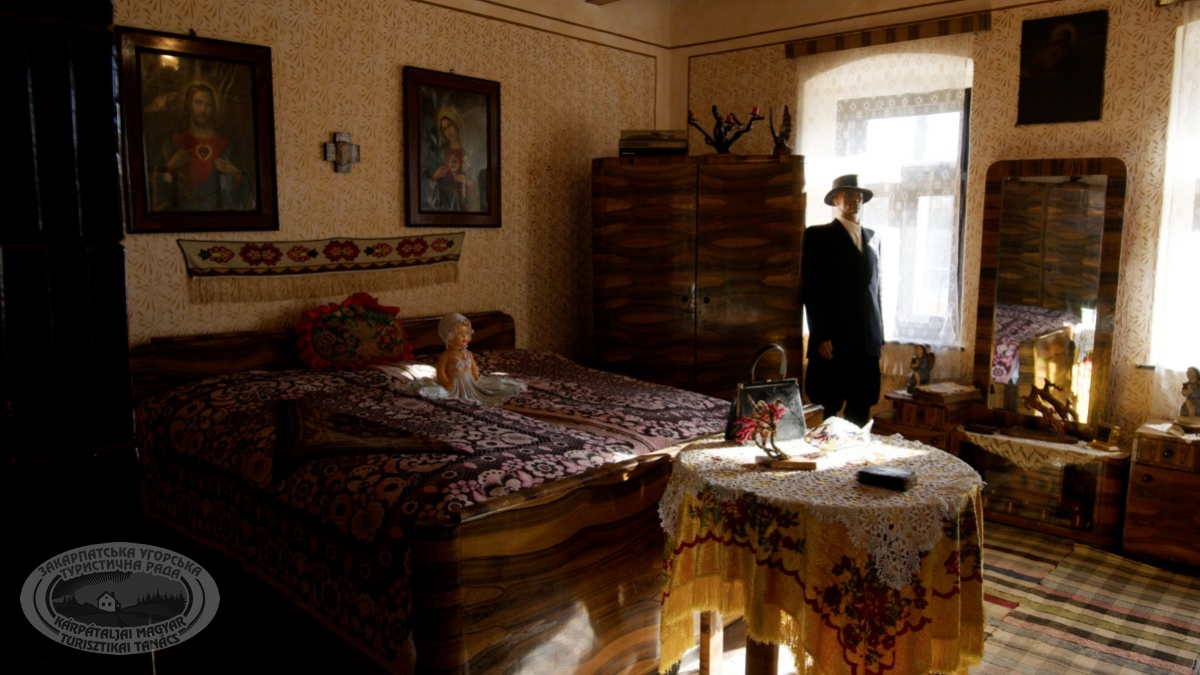
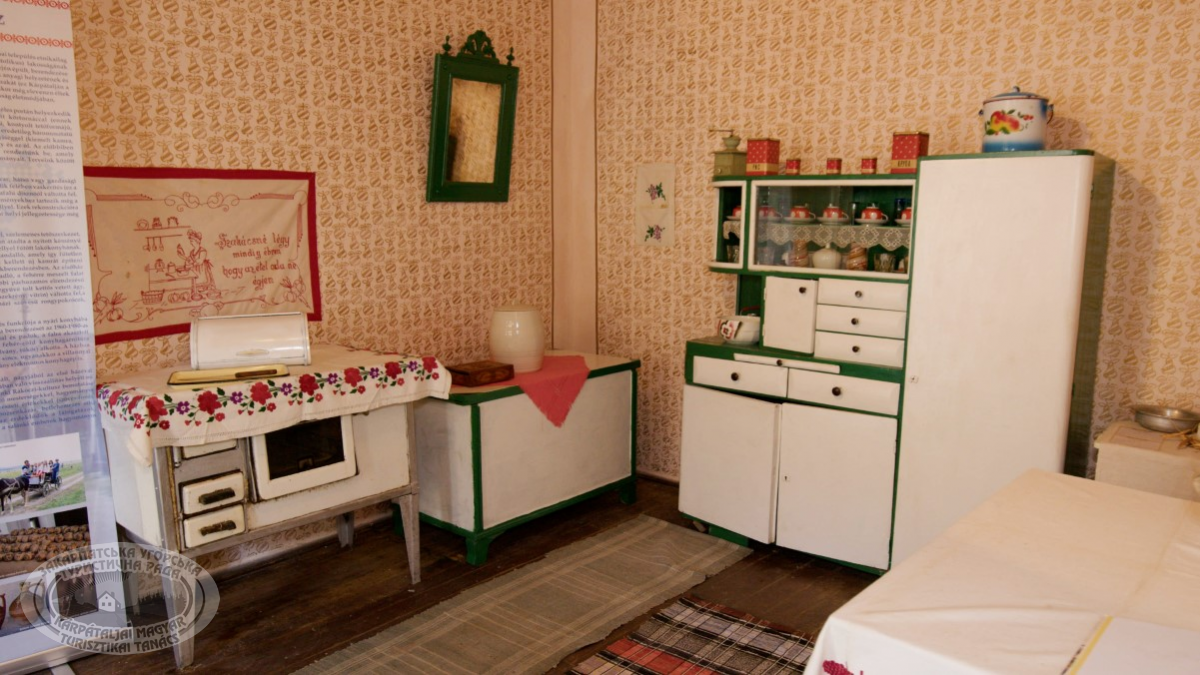
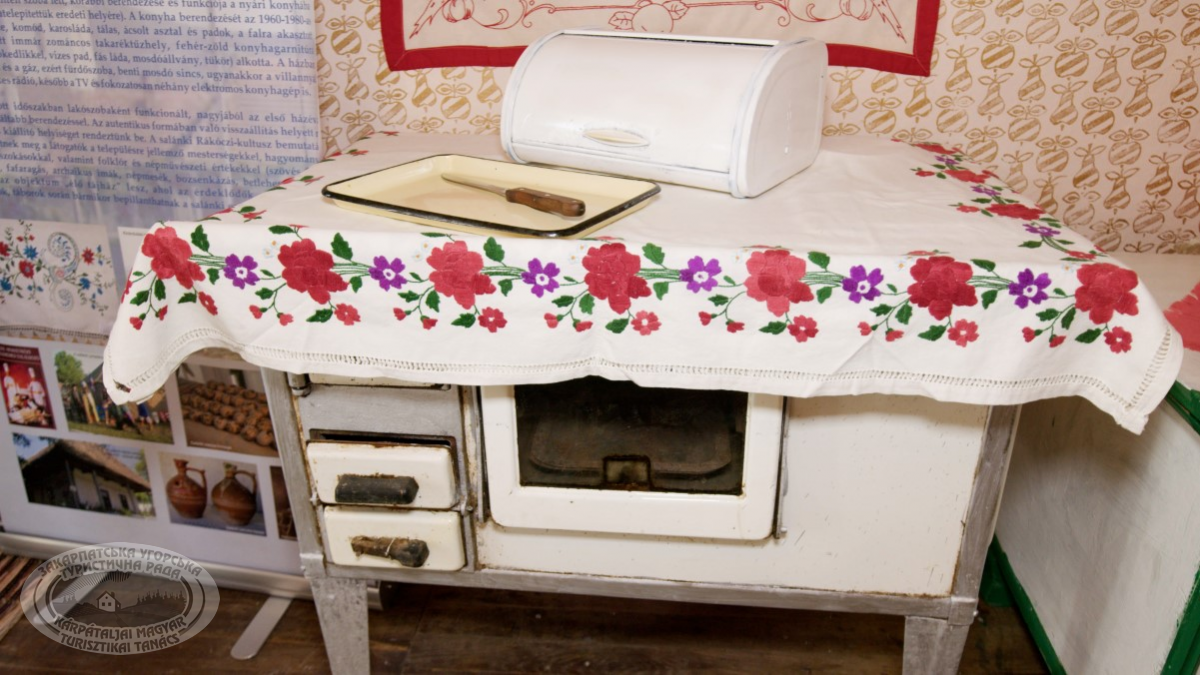
Традиційний сільський будинок с. Шаланки та його меблі мають намір представити 60-80-ті роки 20 століття. Більша частина меблів, інтер'єру, фарбування стін, опалювального обладнання тощо – оригінал або відремонтовано відповідно до оригіналу.
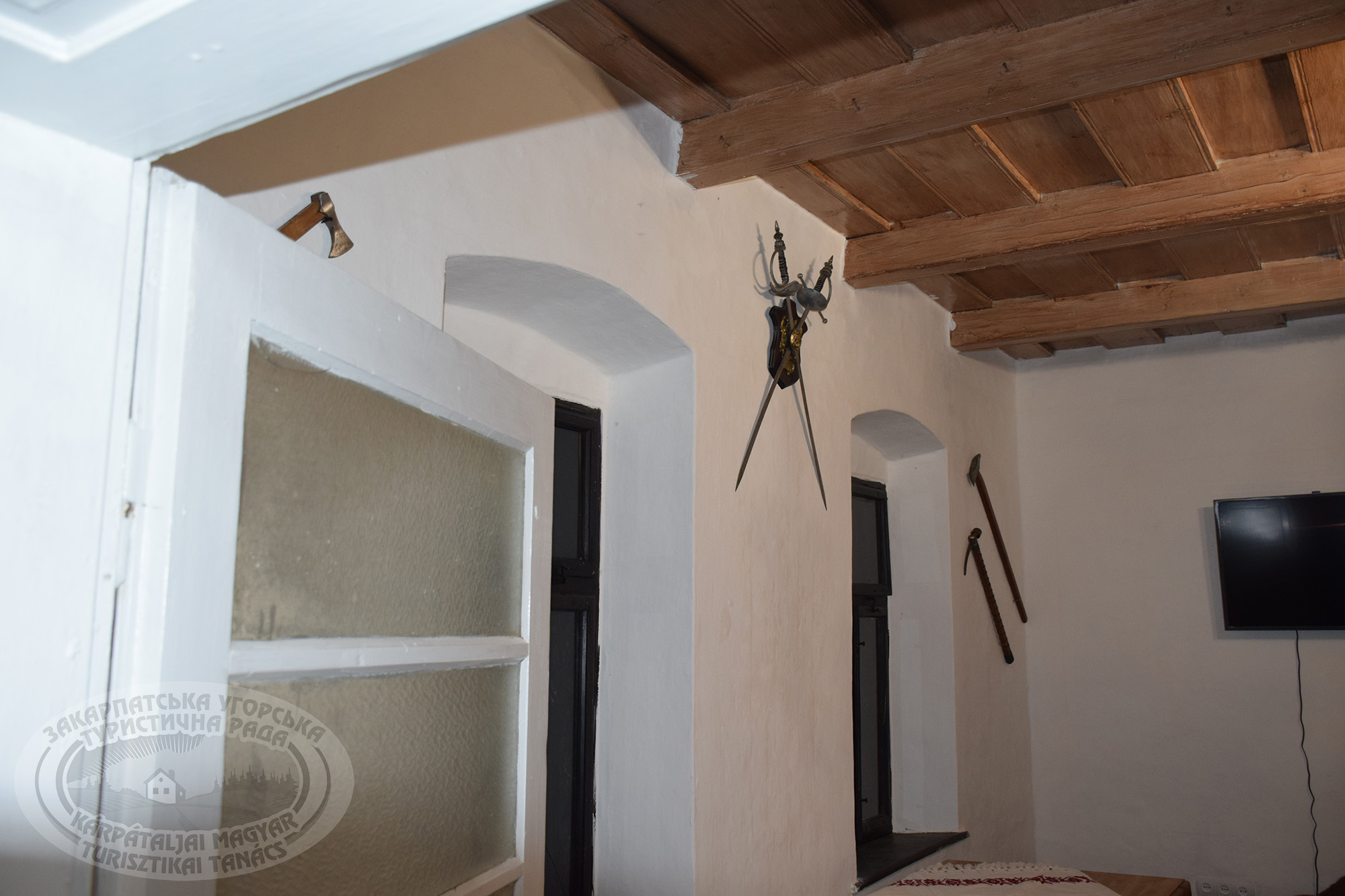
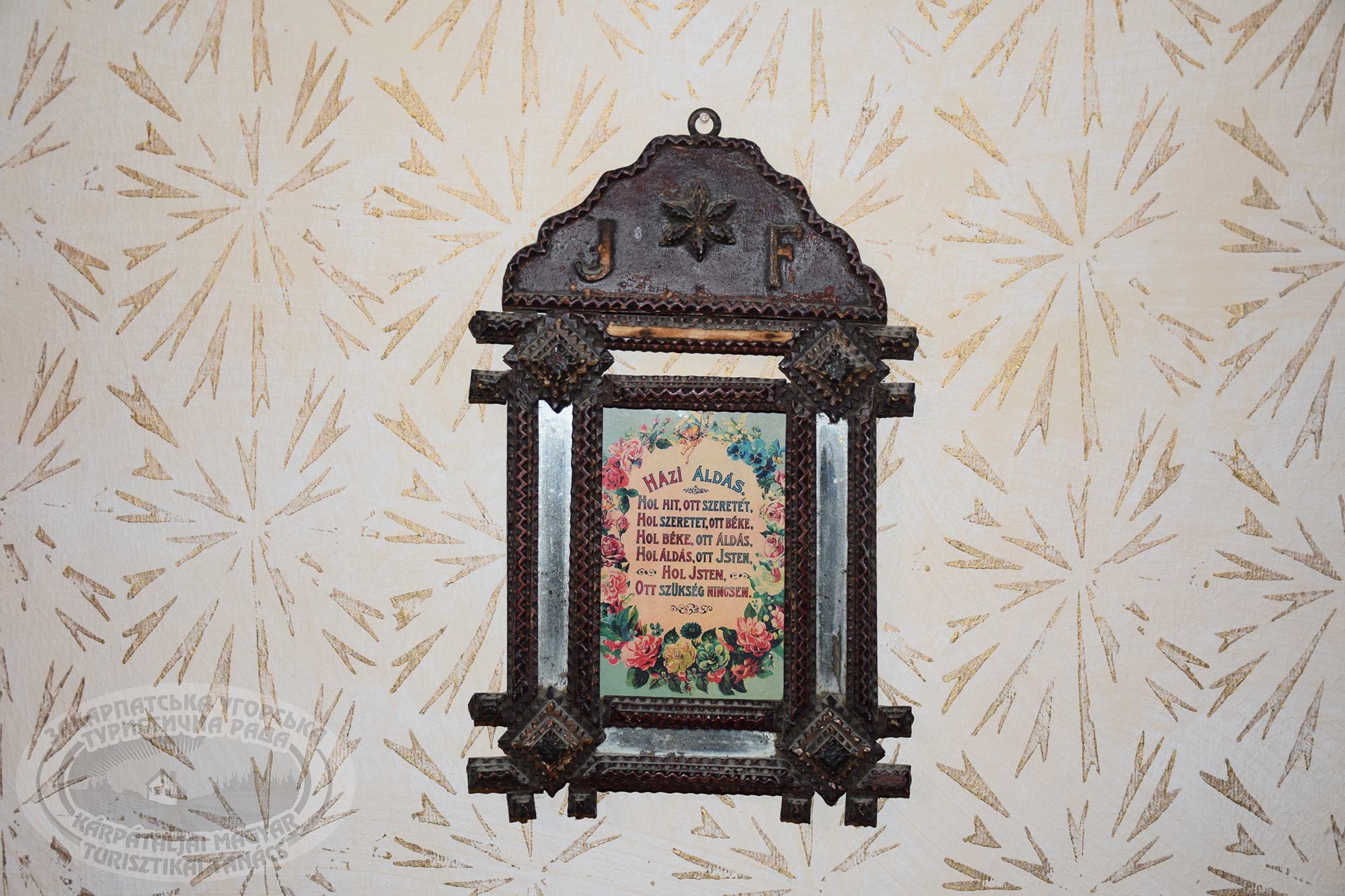
Перша кімната будівлі, яку ще називають і «перший будинок» або «чиста кімната», з балковою стелею, корабельною підлогою, обігрівається кахельною піччю, з вальковою кладкою, оздоблення яких показує життя народу, що стає буржуазним.
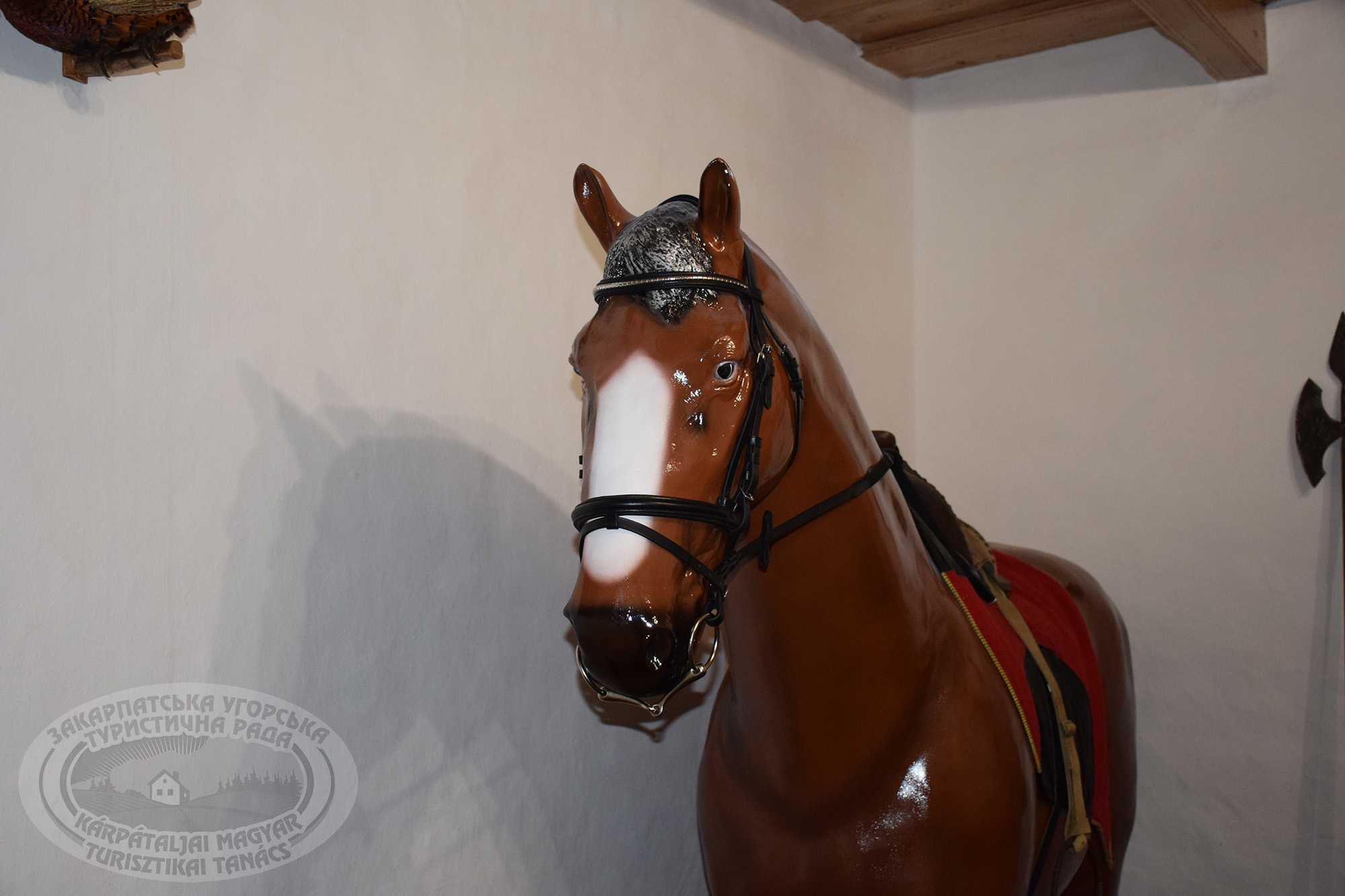
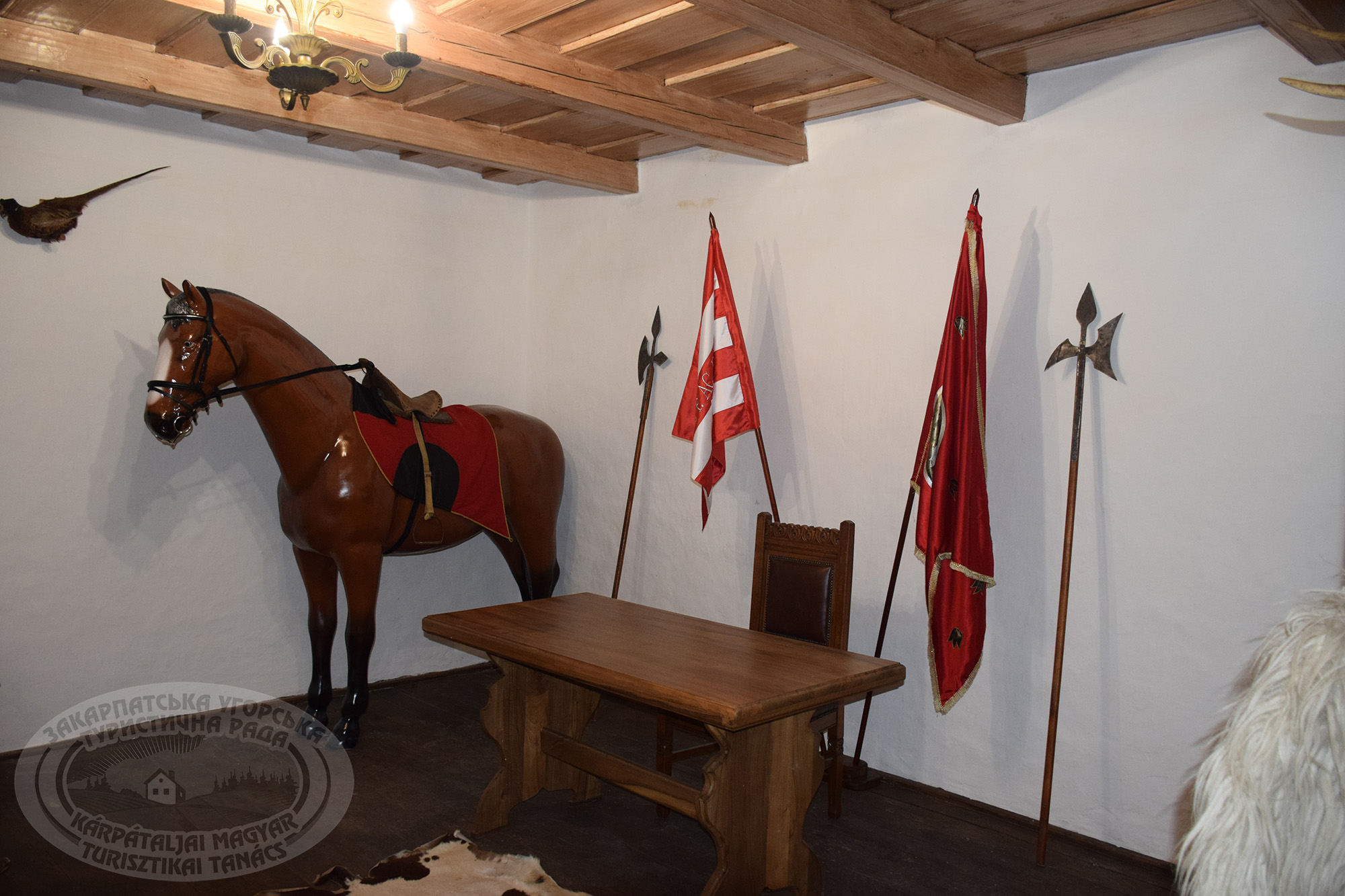
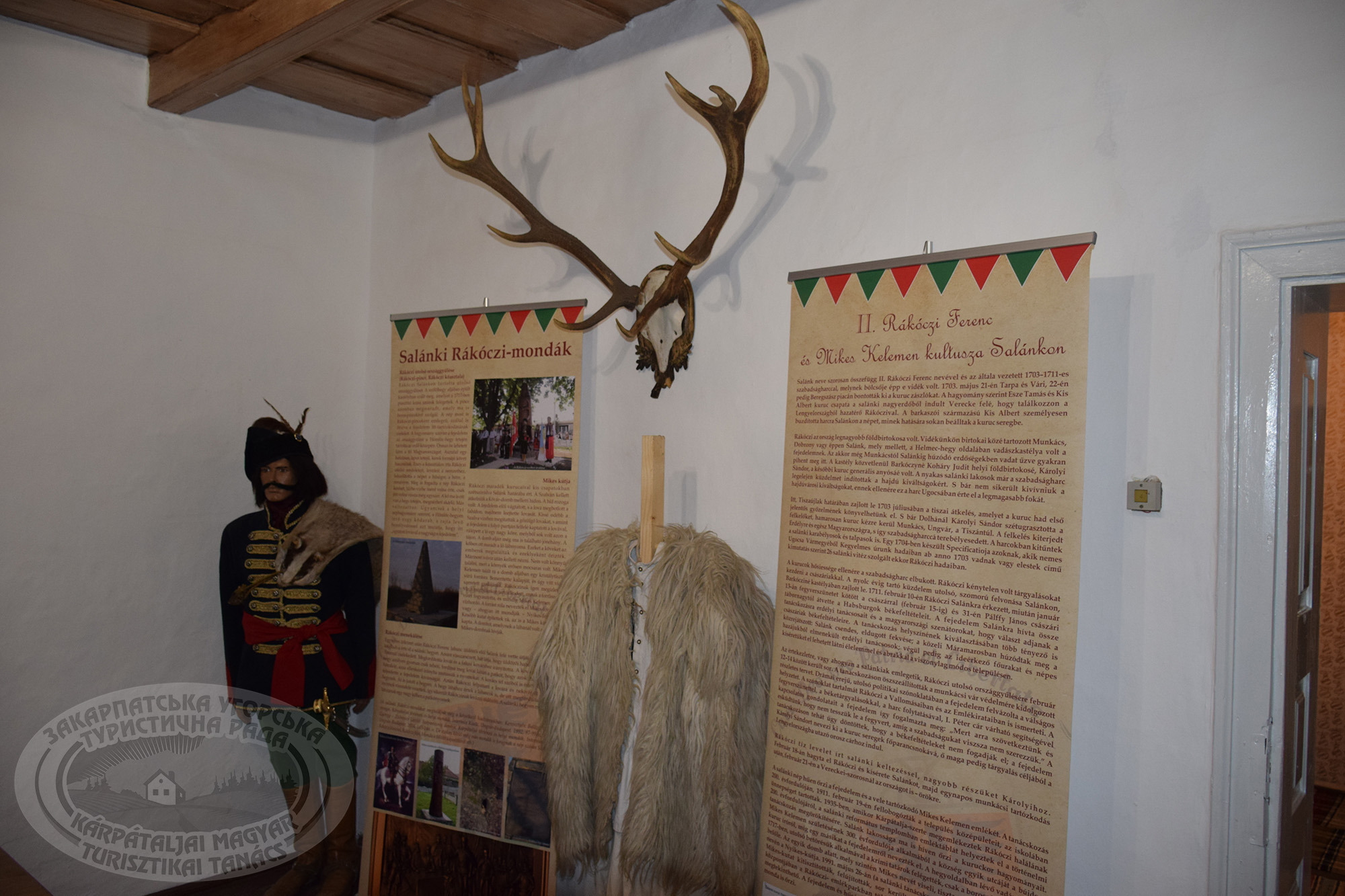
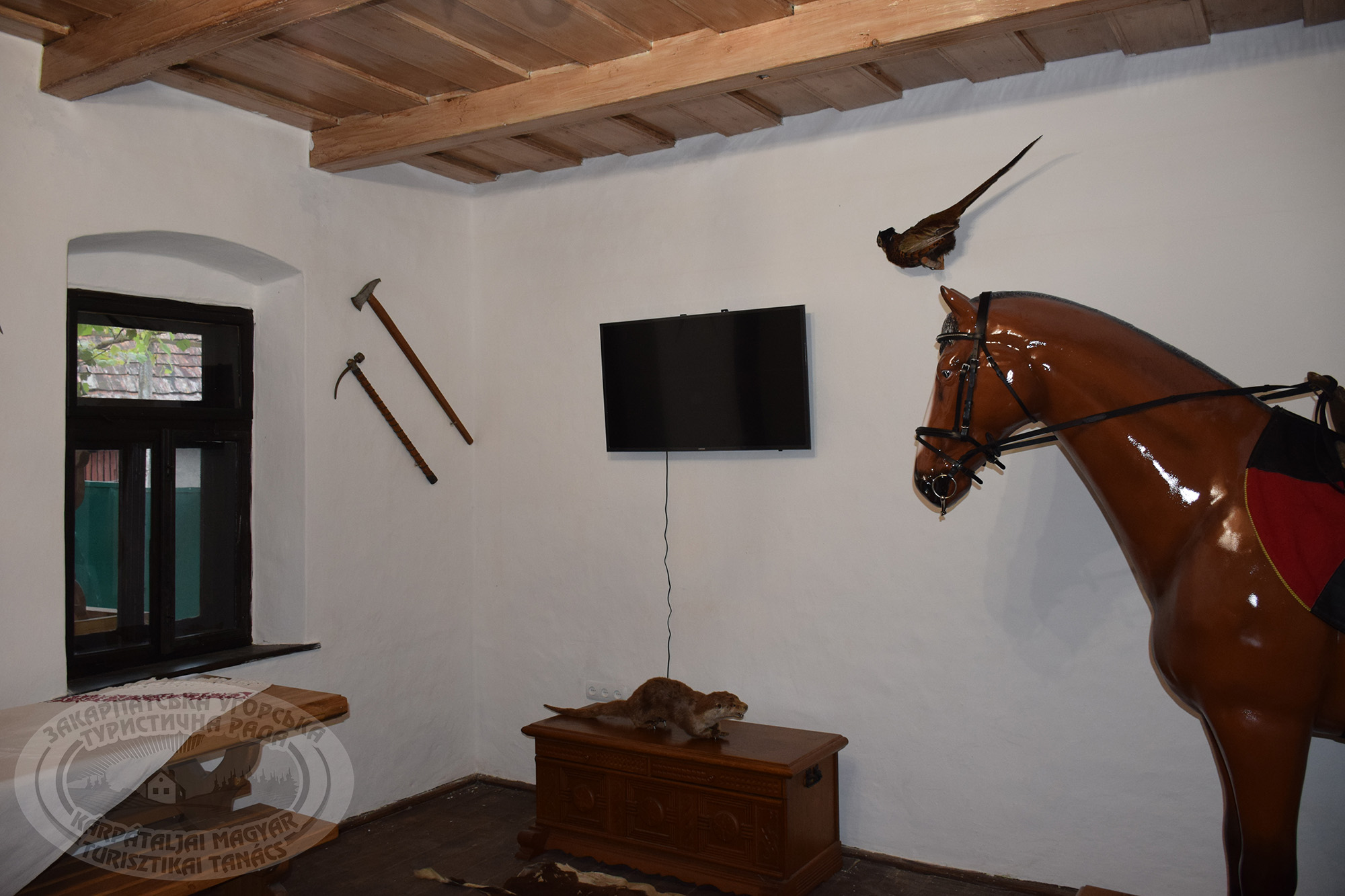
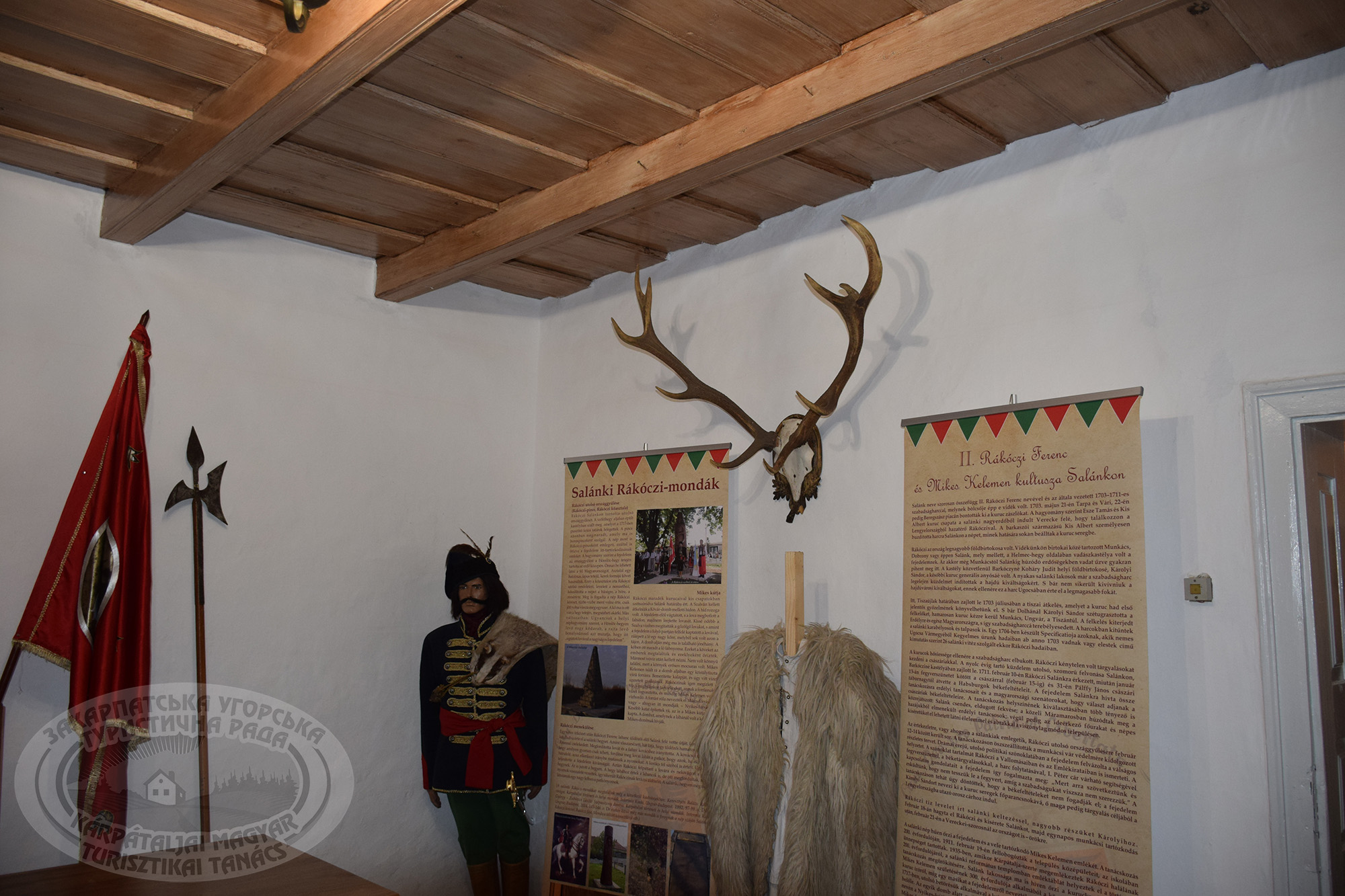
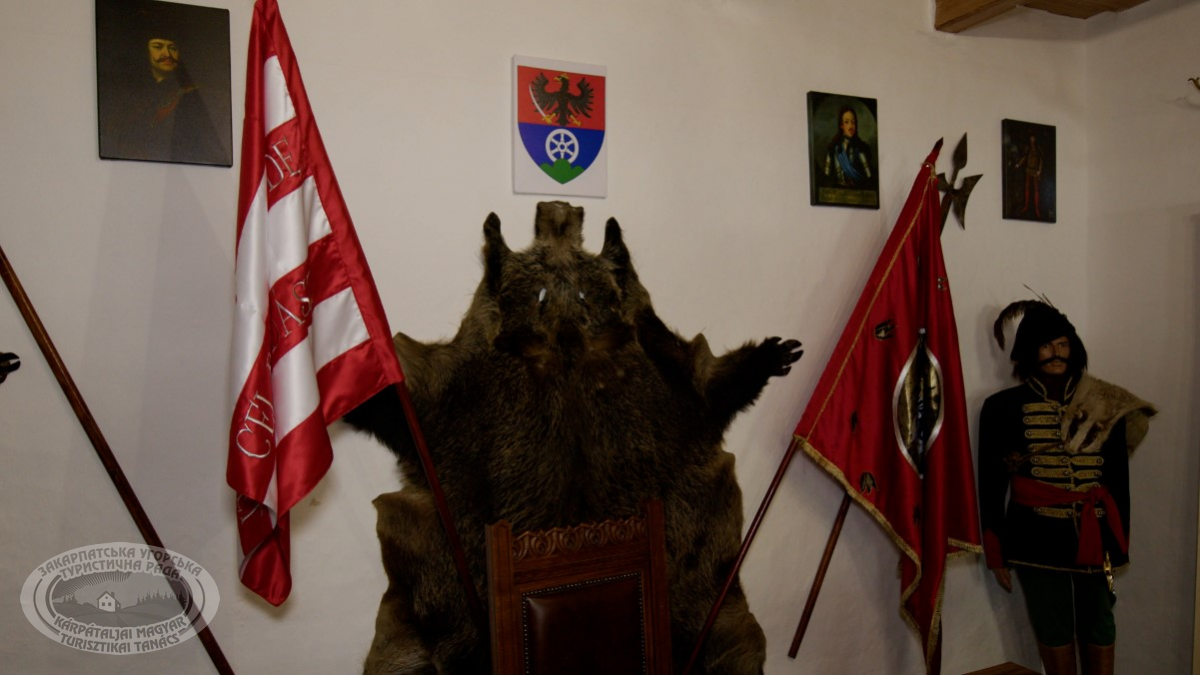
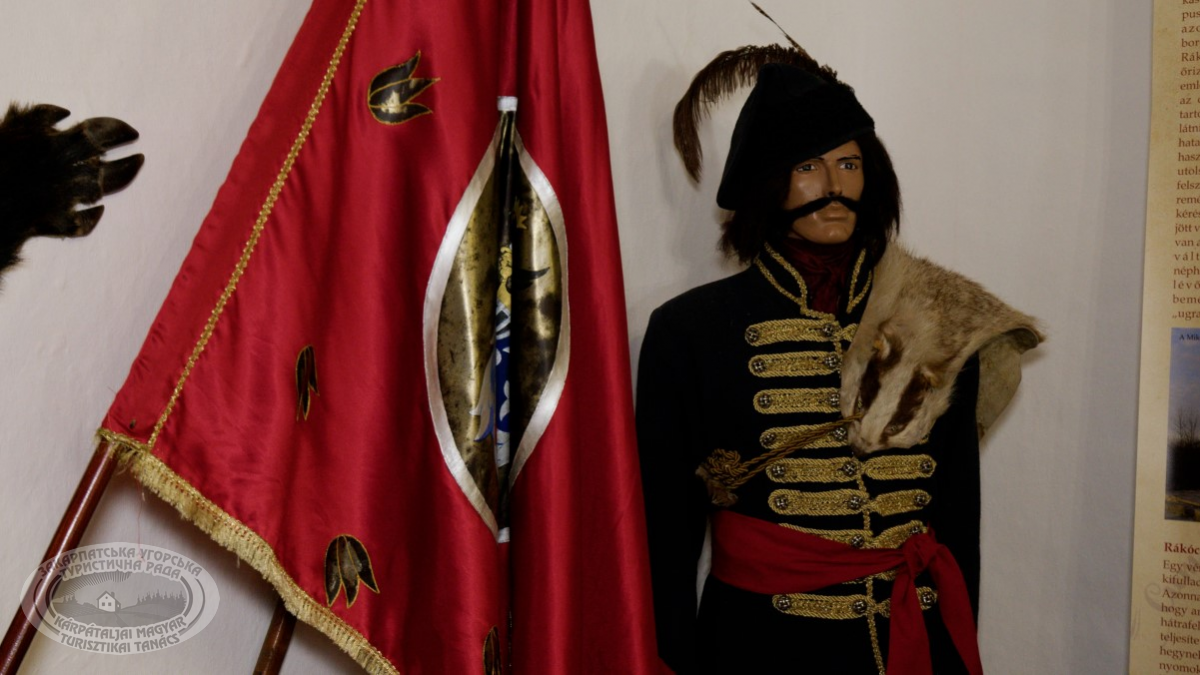
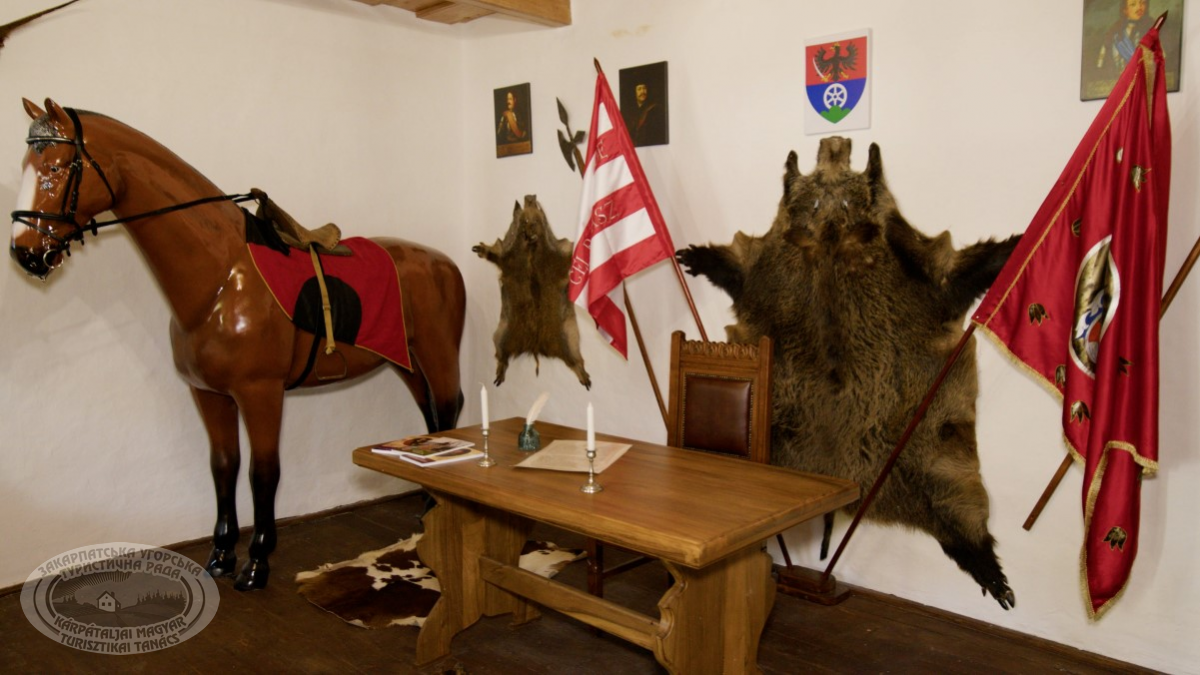
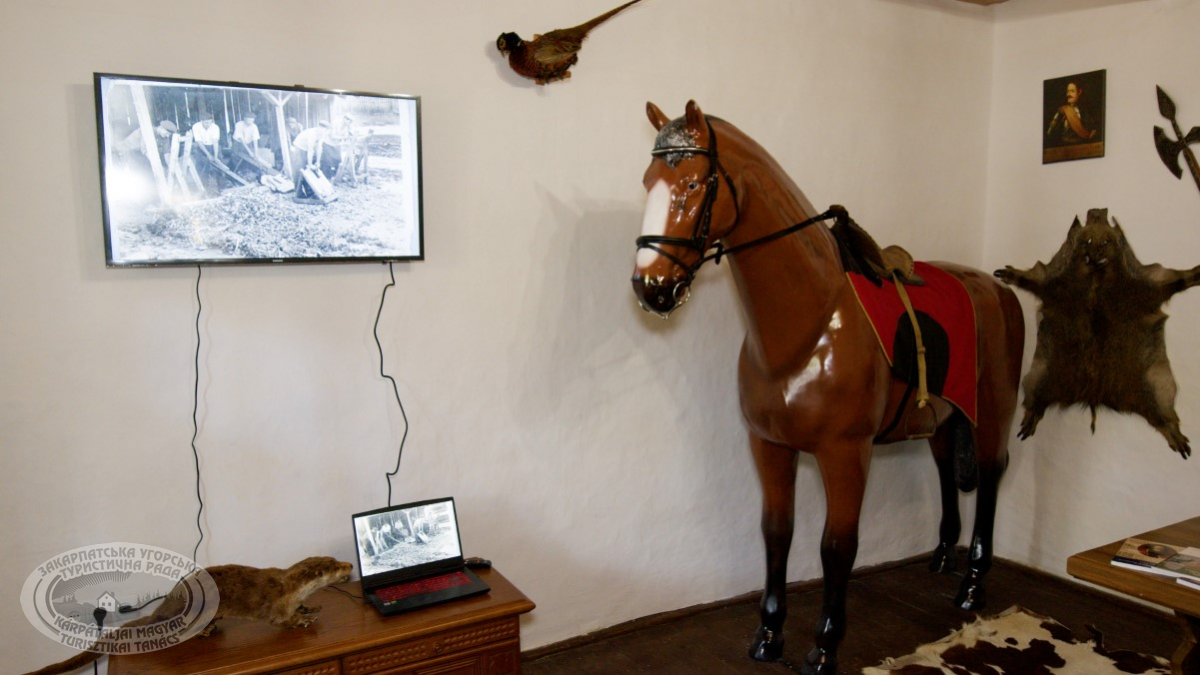
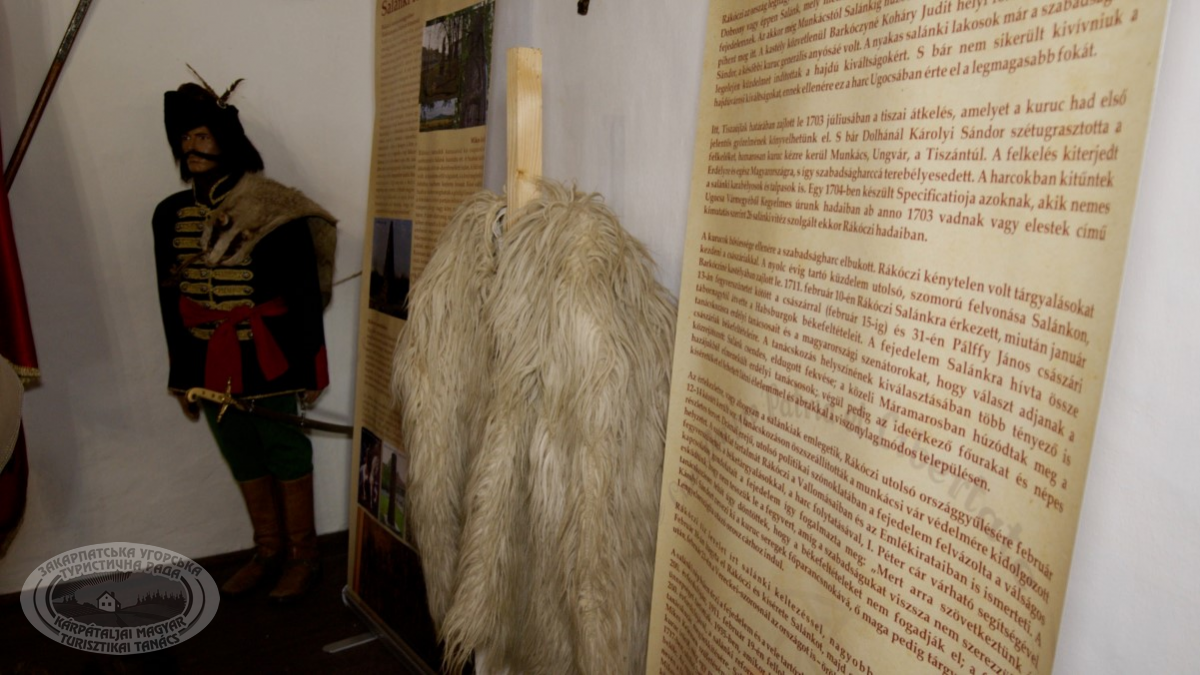
Кухня традиційно розташовується в середній кімнаті, а в задній кімнаті або «задній хаті» було створено меморіальну кімнату Ракоці спроектовану в стилі бароко початку 18. ст. та робочу/виставкову залу, як пам'ятку культу Ракоці, що наявний і сьогодні в с. Шаланки. Останнє засідання загальних зборів угорського князя Ференца Ракоці ІІ в 1711 році відбулося в с. Шаланки, в колишньому палаці Баркоці.
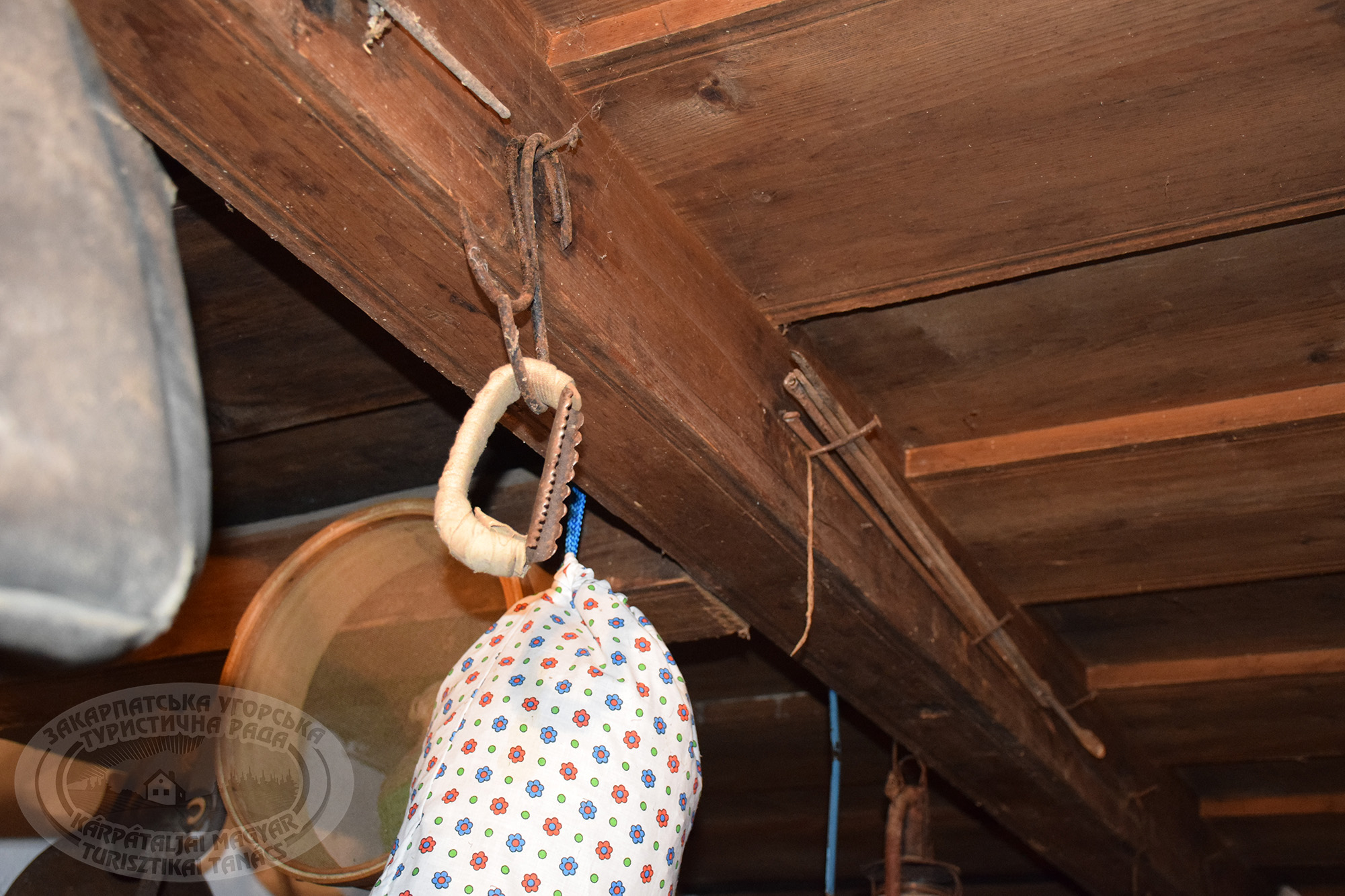
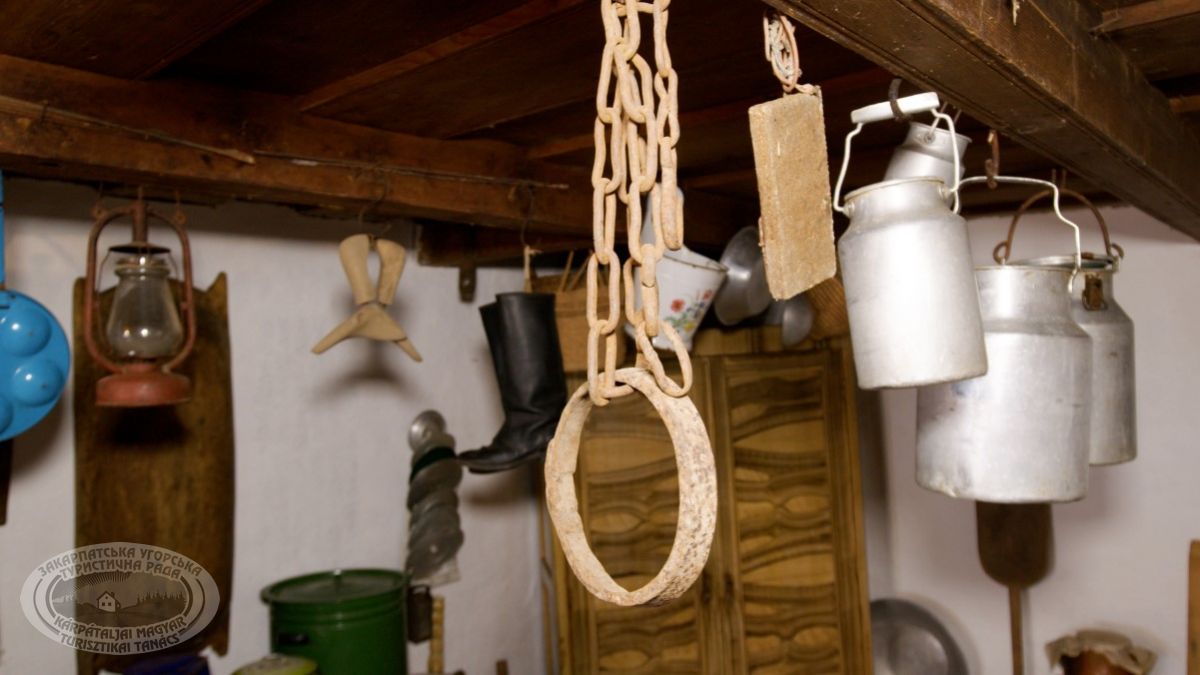
До експозиційного матеріалу краєзнавчого будинку також входять і ткацько-прядильний інструментарій, традиційний народний костюм с. Шаланки, вертеп та орнаменти з воску шаланківської крашанки.
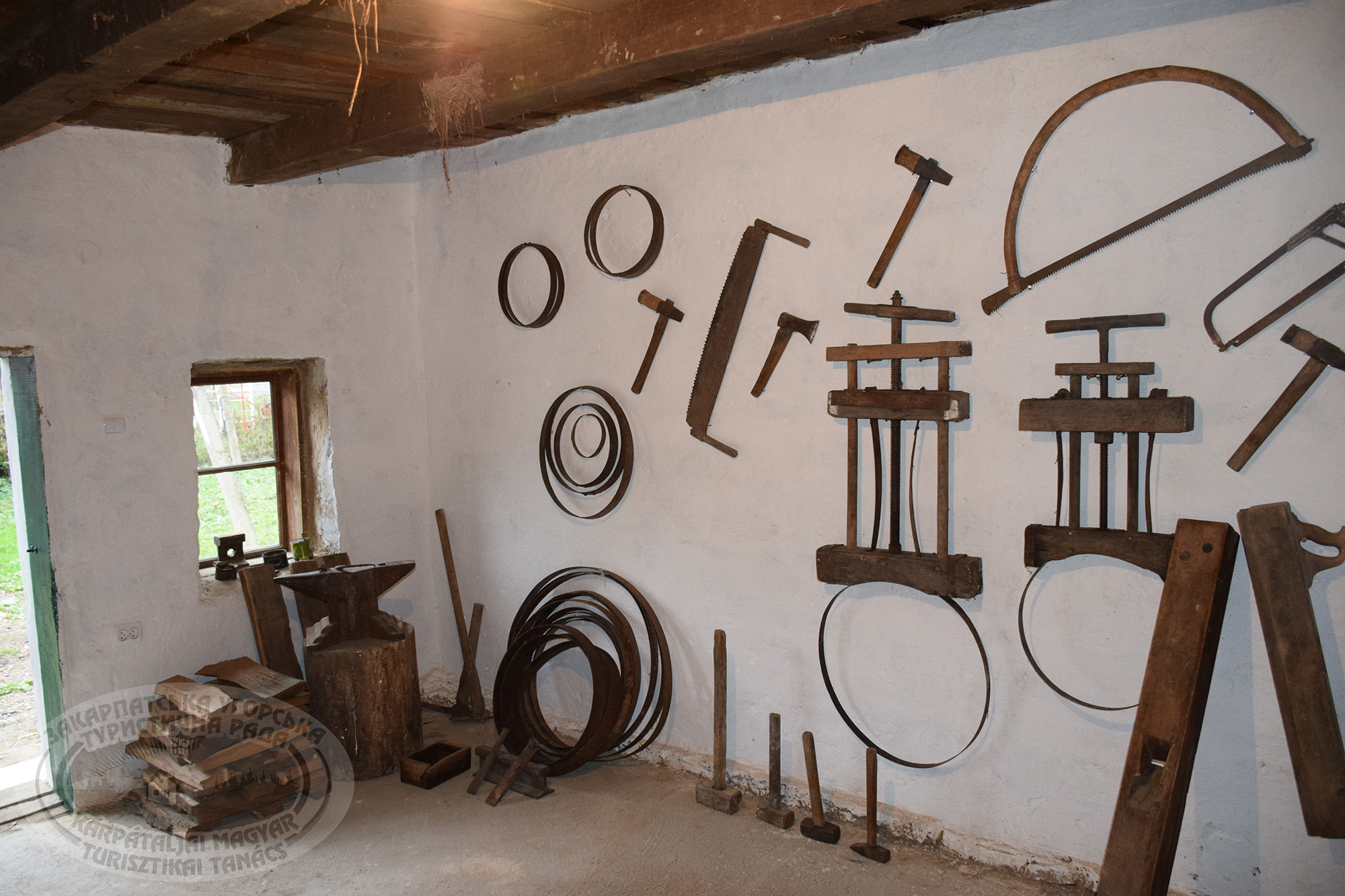
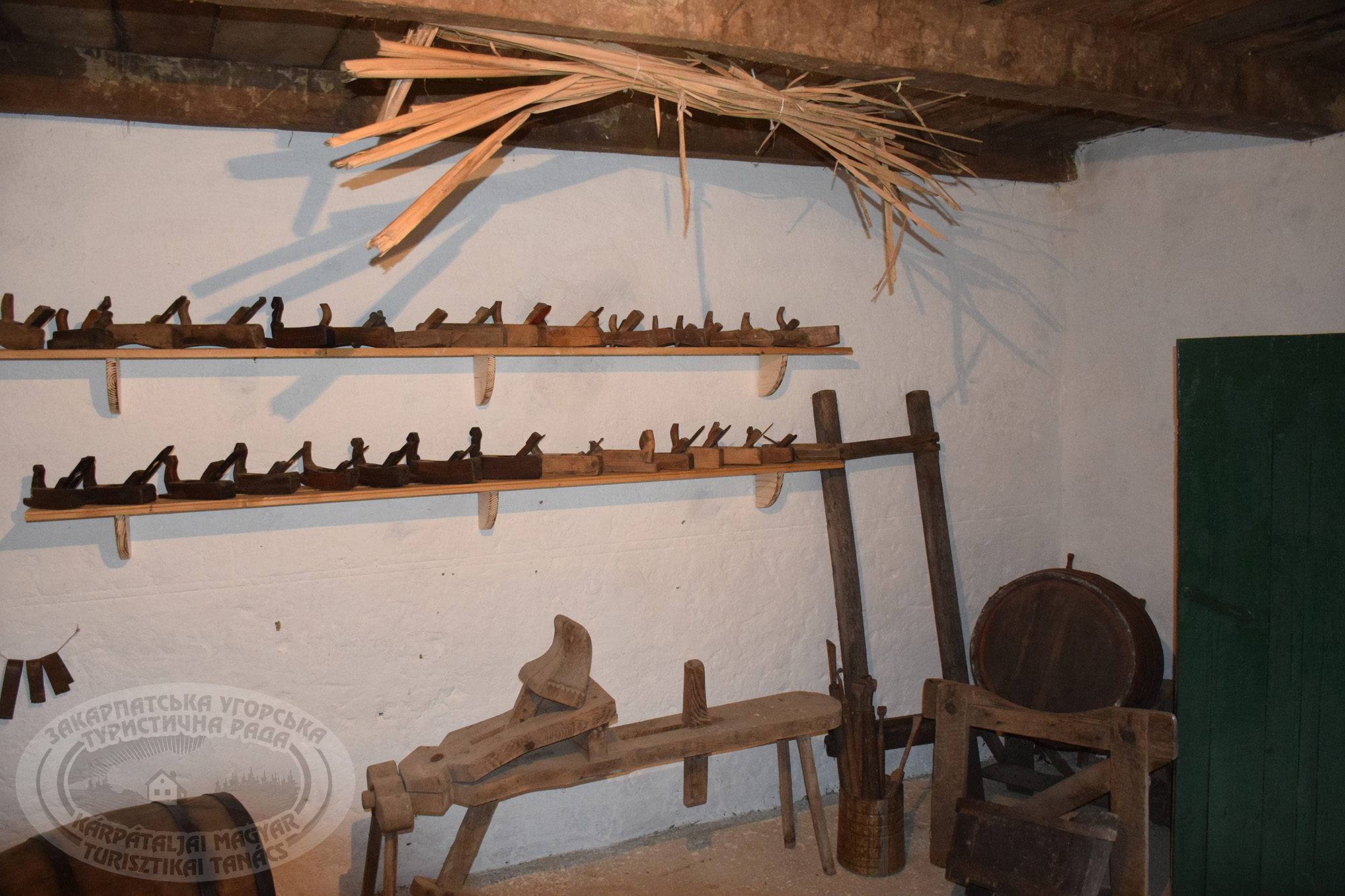
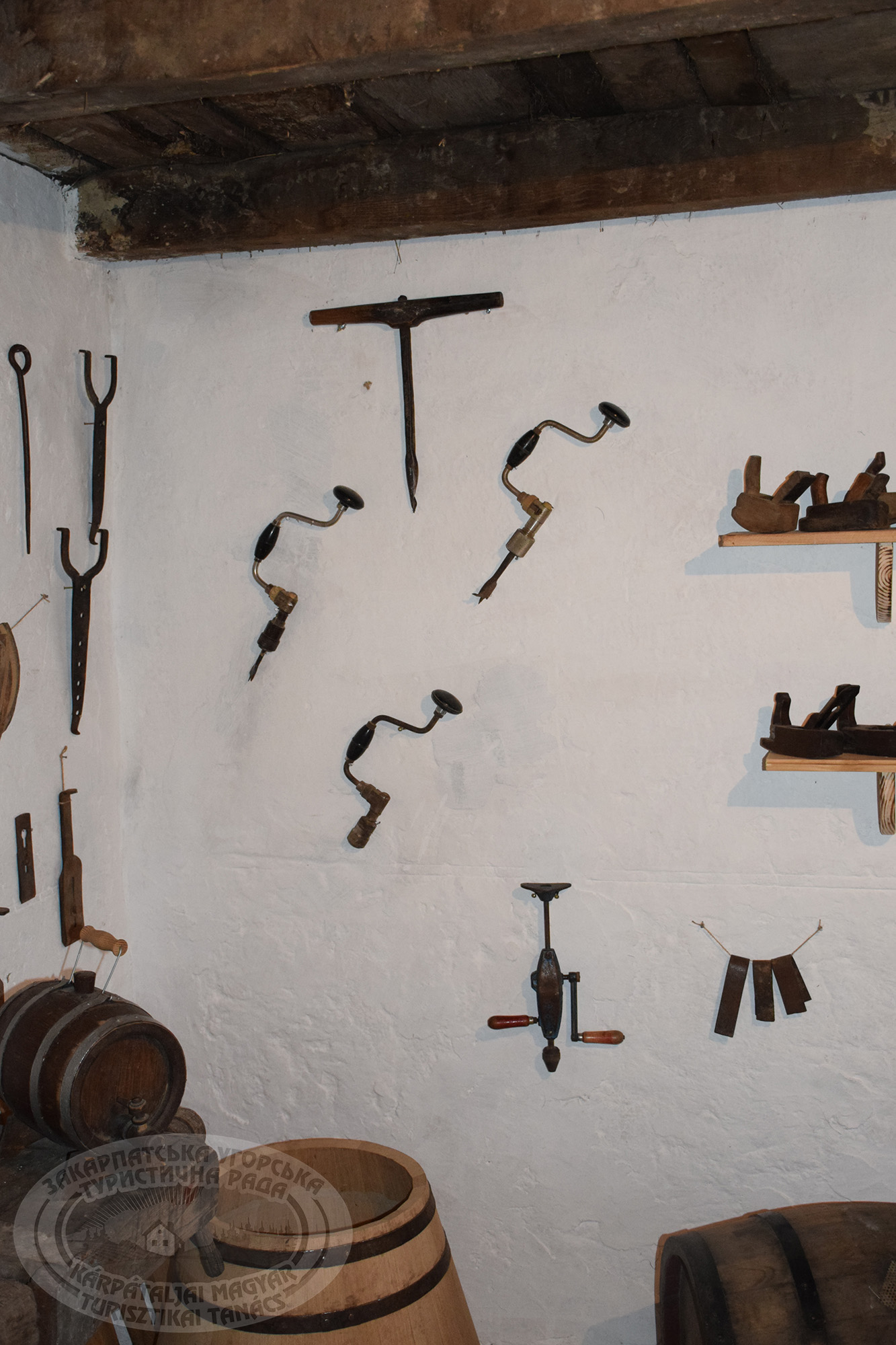
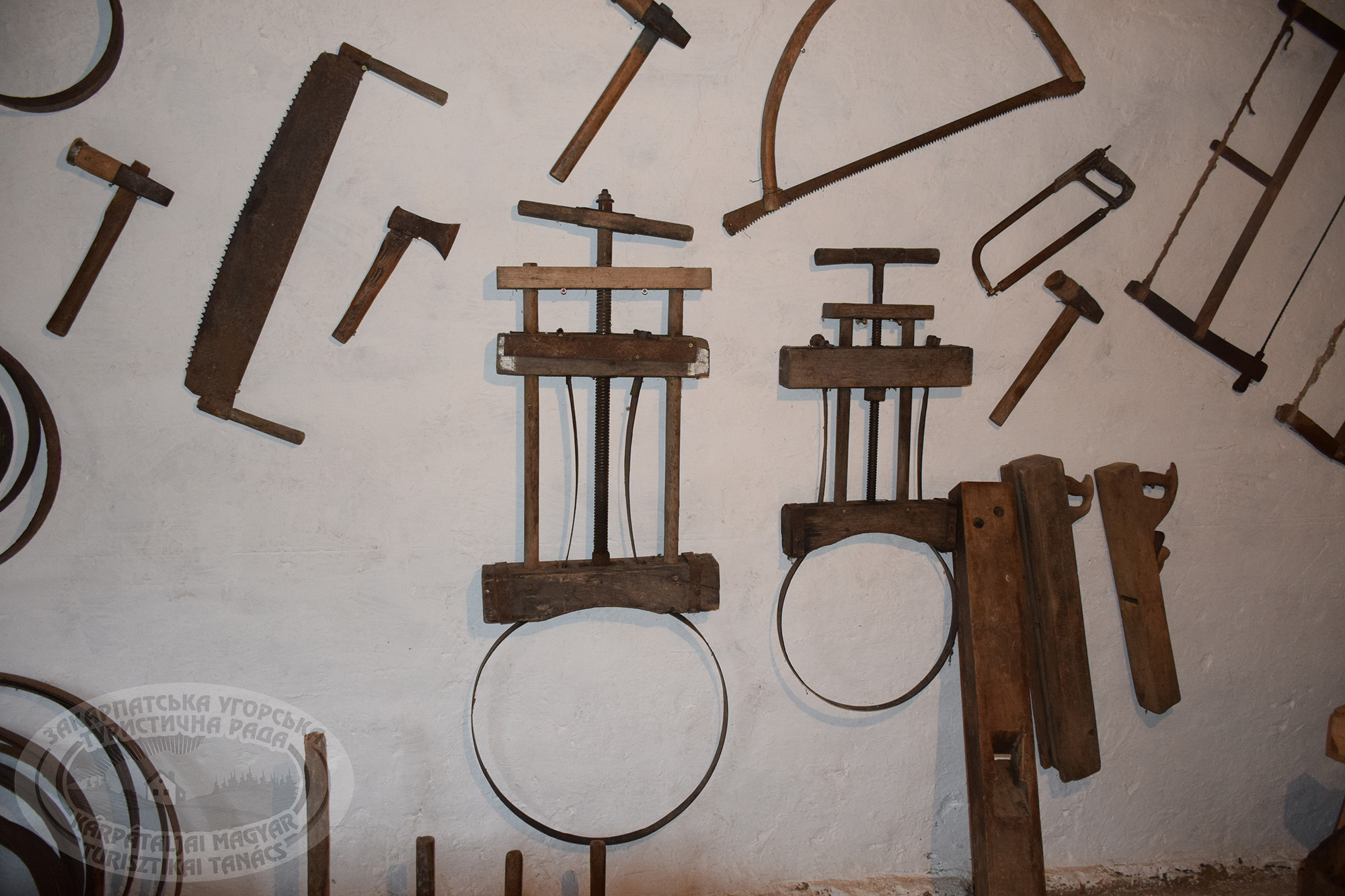
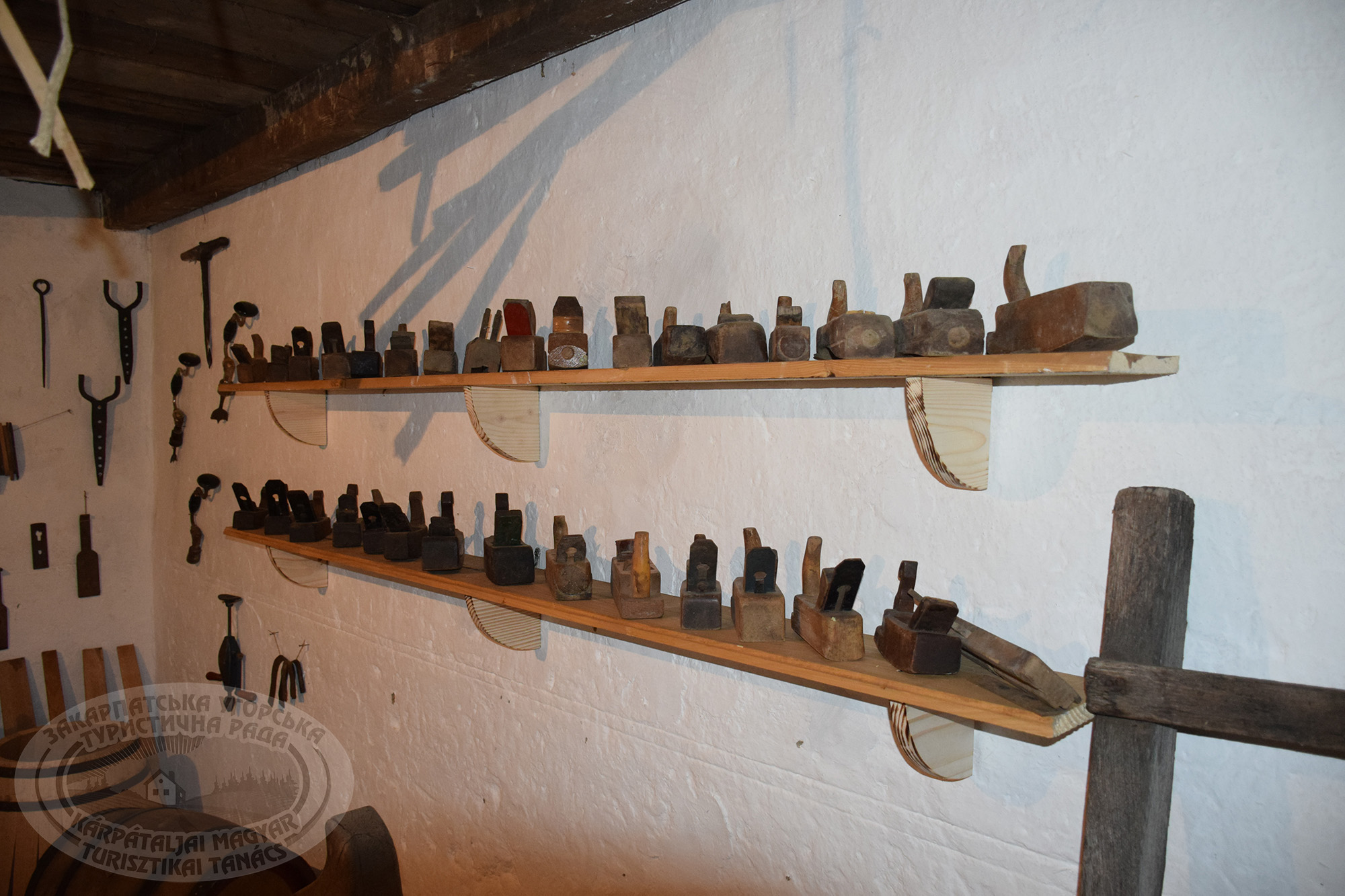
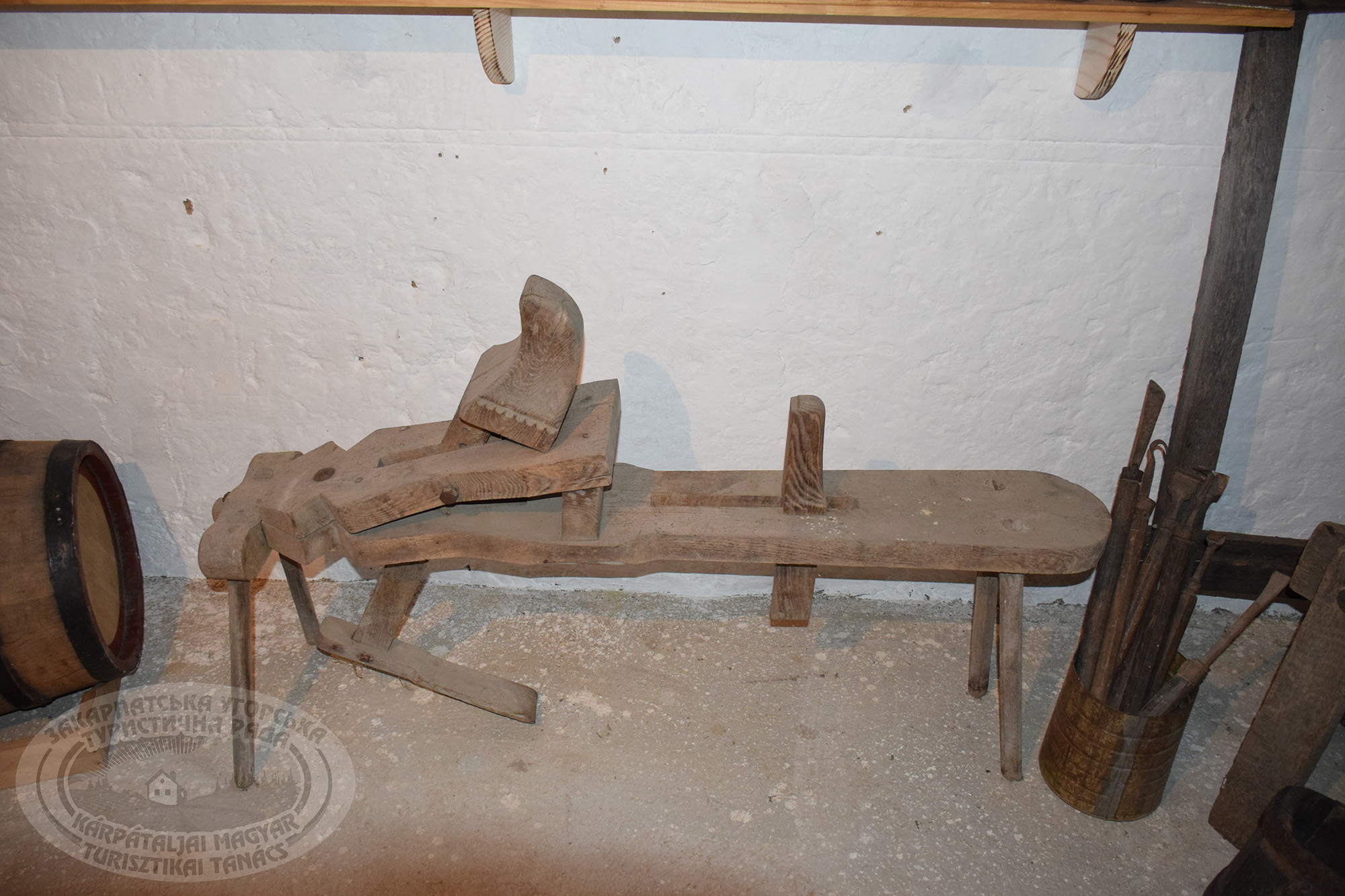
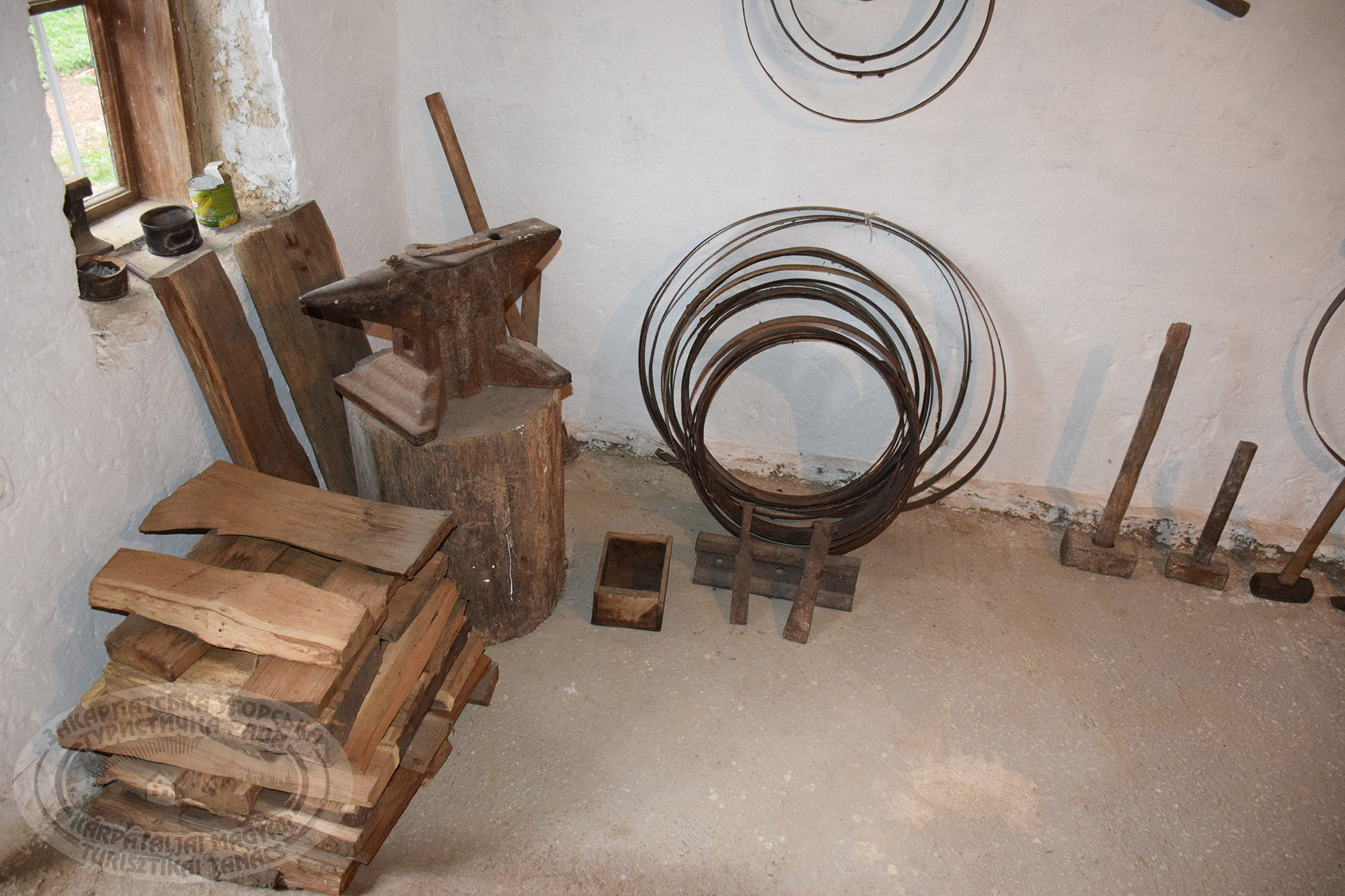
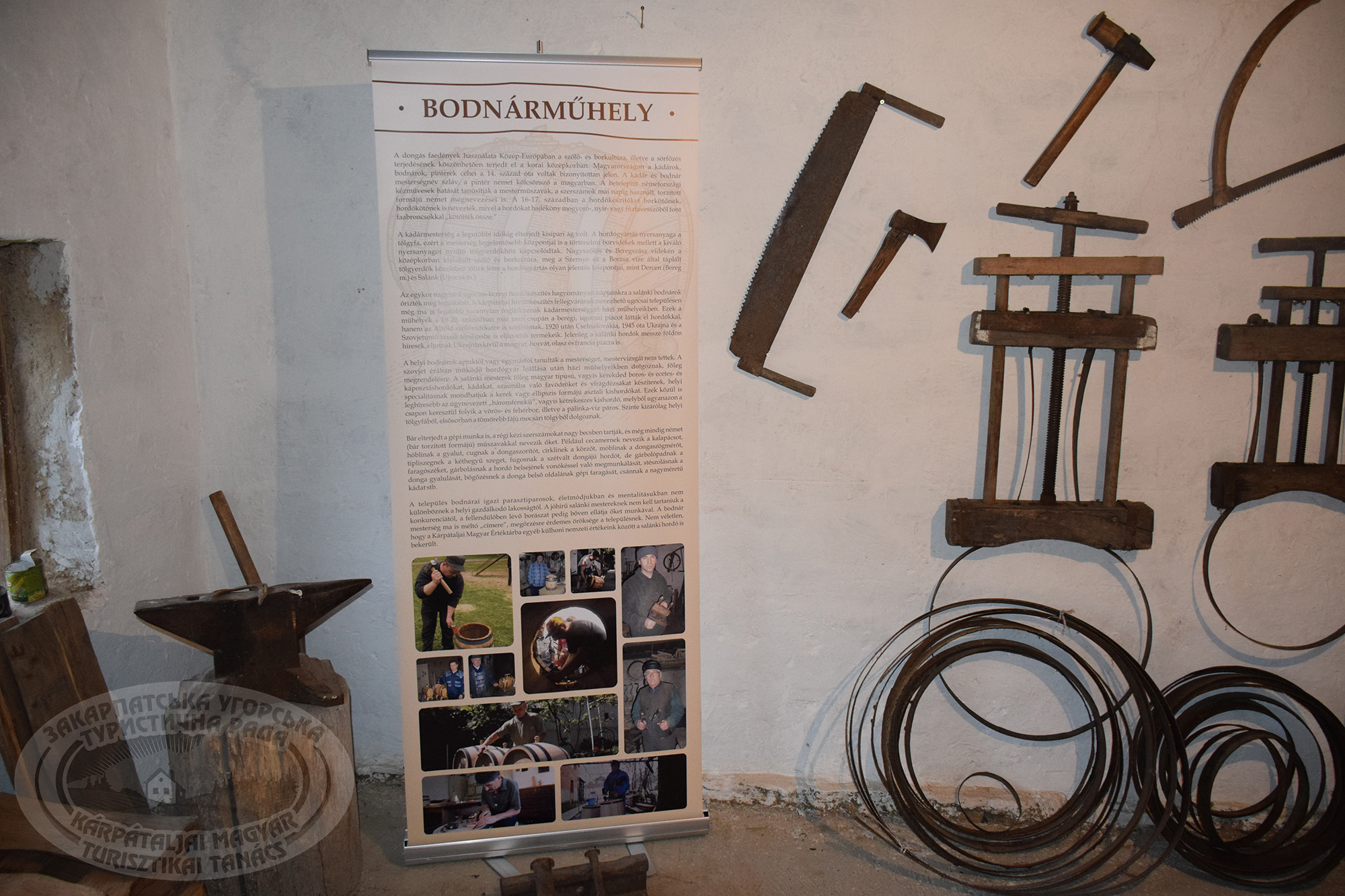
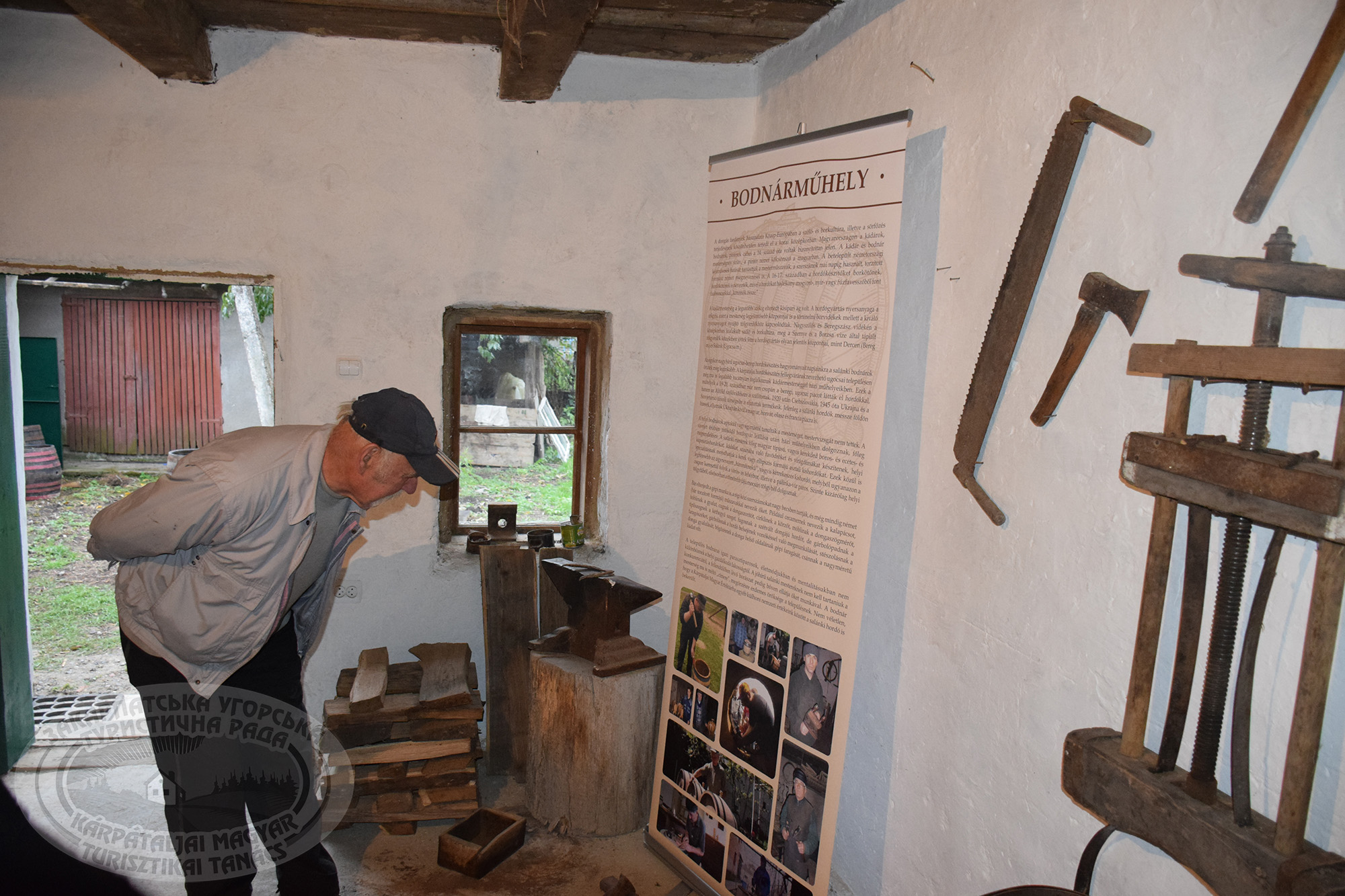
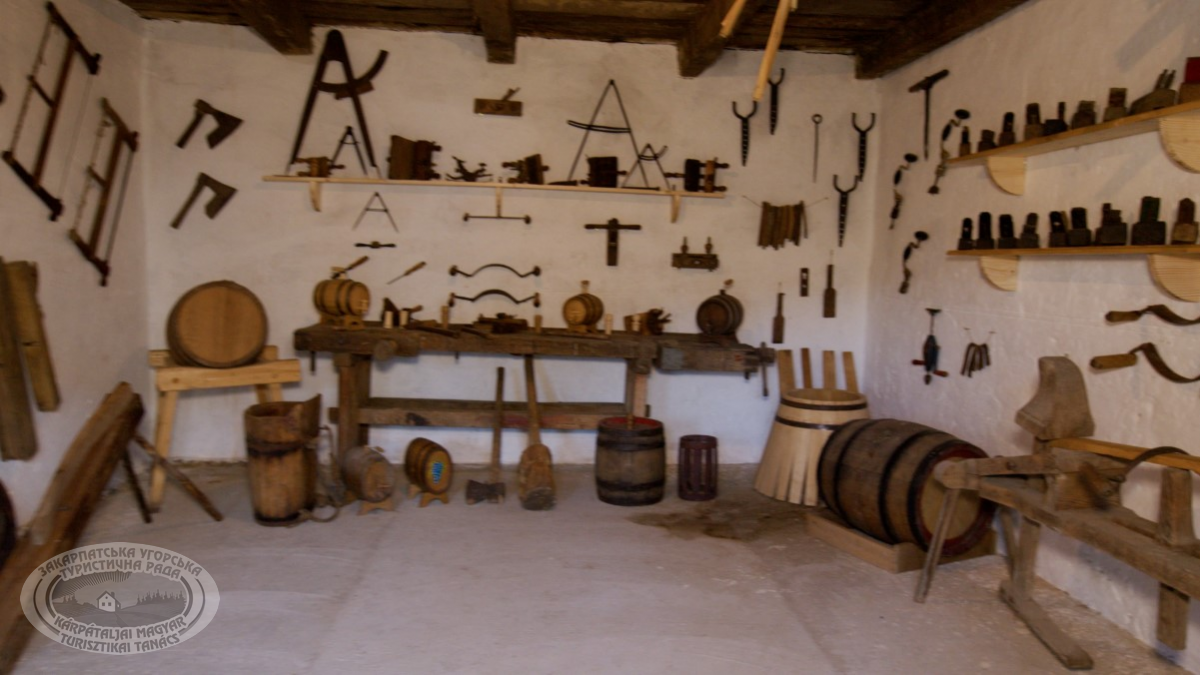
Крім збереження народної архітектурної цінності села, першочерговим призначенням краєзнавчого будинку є відродження, презентація та передача молодим поколінням місцевих традицій і ремесел. Відповідно, у традиційному сільському будинку була створена бондарна майстерня, тобто діюча майстерня з виготовлення бочок, де місцевий майстер демонструє тим, хто цікавиться традиційним способом виготовлення шаланківської бочки – що також була включена до Скарбниці закарпатських угорських цінностей – виготовлення бочки за допомогою ручних інструментів.
Колектив традиційного сільського будинку чекає бажаючих з яскравою програмою, а також тут можна проводити різноманітні групові заняття з рукоділля, адже в краєзнавчому будинку була також створена і кімната для проведення різних занять, яку ми рекомендуємо як дітям різного віку, так шкільним групам та дорослим.